

To get rid of dust mites, wash bedding every week in water at least 130°F, cover mattresses and pillows with allergen-proof covers, keep indoor humidity below 50%, and replace carpet where you can. Heat kills dust mites fastest. You can't remove them completely, so the goal is keeping their numbers and allergens low.
What kills dust mites instantly?
Heat kills dust mites fastest. Mayo Clinic advises washing bedding in water that is at least 130°F, and putting items you can't wash hot in a dryer above 130°F for at least 15 minutes.
- Hot wash: wash sheets, pillowcases, blankets, and bedcovers in water at least 130°F.
- Hot dryer: dry items that can't be washed hot at above 130°F for at least 15 minutes, then wash and dry them to remove allergens.
- Steam cleaning: steam heats carpets, upholstery, and mattresses that won't fit in a washer. A professional steam cleaning service can treat a whole room.
- Freezing: freeze small items you can't wash, such as stuffed toys, for 24 hours. Mayo Clinic notes that freezing kills dust mites but doesn't remove the allergens they leave behind.
Killing dust mites isn't the whole job. Their droppings and body parts cause allergy symptoms, so wash items after heat or freezing to remove what's left.
How do you get rid of dust mites in your bed?
Get rid of dust mites in your bed by sealing the mattress and pillows in allergen-proof covers and washing all bedding every week in hot water. Beds are a favorite home for dust mites because they're warm and full of shed skin, which mites feed on.

- Put zippered, allergen-proof covers on the mattress, box spring, and pillows. Tightly woven covers keep dust mites from settling in or getting out.
- Wash sheets, pillowcases, blankets, and bedcovers weekly in water at least 130°F.
- Skip wool and down bedcovers, which trap dust and are hard to wash often. Choose bedding you can wash hot.
- Buy washable stuffed toys, wash them with the bedding, and keep them off the bed.
- Keep pets out of the bedroom so less dander lands on the bed.
- Pull back the covers for a while in the morning so the bed can dry out before you make it.
- Dry laundry completely before you put it away.
- Bring your own allergen-proof pillow cover when you travel.
How do you get rid of dust mites in carpet and furniture?
Replace carpet with hard flooring where you can, since carpet is one of the main places dust mites live. Mayo Clinic notes that vacuuming removes surface dust but isn't effective at removing most dust mites and their allergens, so vacuuming alone won't solve the problem.
- Replace wall-to-wall carpet with tile, wood, or other hard flooring, especially in bedrooms.
- Use small washable rugs instead of carpet, and wash them in hot water.
- Vacuum carpets and upholstery every week with a vacuum that has a HEPA filter or a double-layered microfilter bag.
- Wear a dust mask while you vacuum, and stay out of the room for about two hours afterward so the dust can settle, as Mayo Clinic advises.
- Steam clean carpets and upholstered furniture, or hire a professional steam cleaning service.
- Choose furniture made of wood, leather, vinyl, metal, or plastic over upholstered pieces.
- Swap curtains and drapes for shades or blinds you can wipe clean.
- Keep pets off upholstered furniture, or cover it with a washable throw.
How do you keep dust mites from coming back?
Keep dust mites from coming back by keeping indoor humidity below 50% and cleaning dust before it builds up. Dust mites need humid air to survive, so dry air keeps their numbers down.

- Check humidity with a hygrometer, available at hardware stores, and keep it below 50%.
- Run a dehumidifier or air conditioner to lower humidity in damp rooms.
- Run kitchen and bathroom vent fans while cooking and showering.
- Avoid using damp basement rooms as bedrooms or offices.
- Dust every week with a damp or microfiber cloth, wiping in one direction so dust doesn't spread back into the air.
- Clean from the top shelves down, and do floors last.
- Wear a dust mask while you clean.
- Clear clutter that collects dust, such as stacks of paper, fabric, and decorations.
- Brush and groom pets often, ideally outdoors.

Do home remedies kill dust mites?
Most home remedies, such as baking soda, vinegar, diatomaceous earth, and essential oil sprays, have little evidence that they kill dust mites in bedding, carpet, or furniture. Heat, freezing, allergen-proof covers, and low humidity are the methods allergy experts recommend.
Disinfectant sprays aren't a proven way to kill dust mites in fabric either. If you use one on soft furnishings, check that the label lists dust mites and follow its directions.
Do air filters help with dust mites?
Air filters help with dust mites by trapping the particles that get into the air when you clean, walk, or make the bed. Mayo Clinic recommends installing a high-efficiency media filter in your furnace and air conditioner as part of dust mite control.
Most dust mite allergen stays in bedding, carpet, and furniture, where a filter can't reach it. Use a filter alongside the steps above, not instead of them.
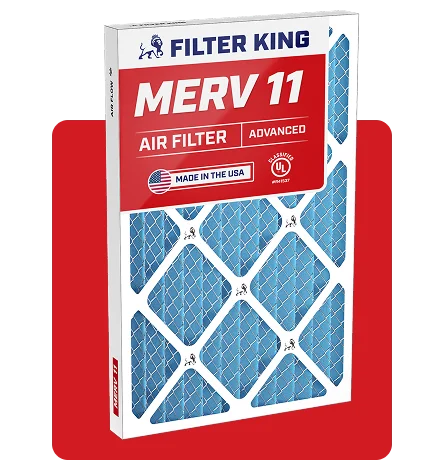
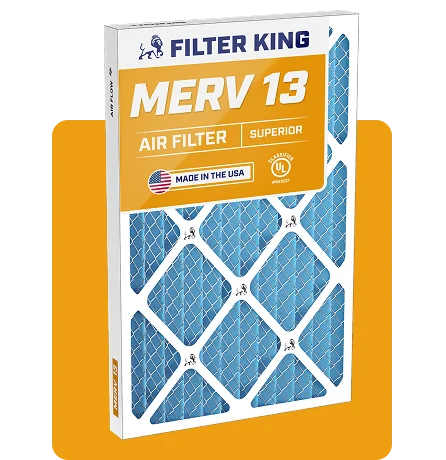
A MERV 11 air filter captures fine dust along with dust mite particles, and a MERV 13 air filter suits homes with allergies or asthma, though older or low-powered systems may lose airflow with one. MERV (Minimum Efficiency Reporting Value) is a 1–16 score for how well a filter traps particles. Our guides to the best air filters for dust and the best air filters for allergies compare options, and filter change reminders help you swap filters on time.
What are dust mites?
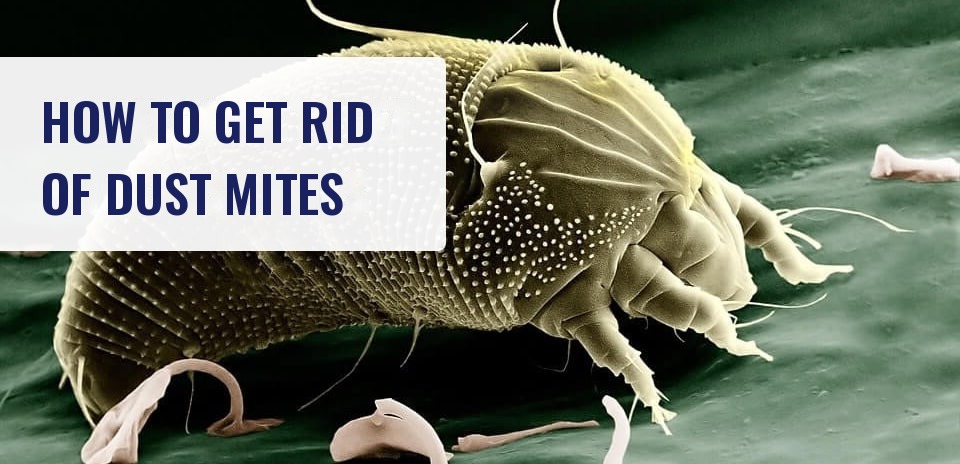
Dust mites are tiny relatives of spiders that live in house dust, bedding, upholstered furniture, and carpet. They feed on the dead skin flakes that people and pets shed, and they're too small to see without a microscope.
Dust mites don't bite or spread disease, but their droppings and body parts are a common allergy and asthma trigger. Mayo Clinic, citing the Asthma and Allergy Foundation of America in 2017, estimates that 20 million Americans have year-round allergy symptoms from dust mites.

What are the symptoms of a dust mite allergy?
A dust mite allergy causes sneezing, a runny or stuffy nose, itchy or watery eyes, coughing, and for some people wheezing or itchy skin. The symptoms look like other allergies, but they often get worse at home or in bed and don't come with a fever.
How do you know if you have dust mites?
You can't see dust mites, so allergy symptoms that worsen at home are usually the first sign. Our guide on how to check for dust mites explains how to confirm them. For pet allergies, see how to get rid of pet dander.
