




Totals
${{ totalOrderSum() }}


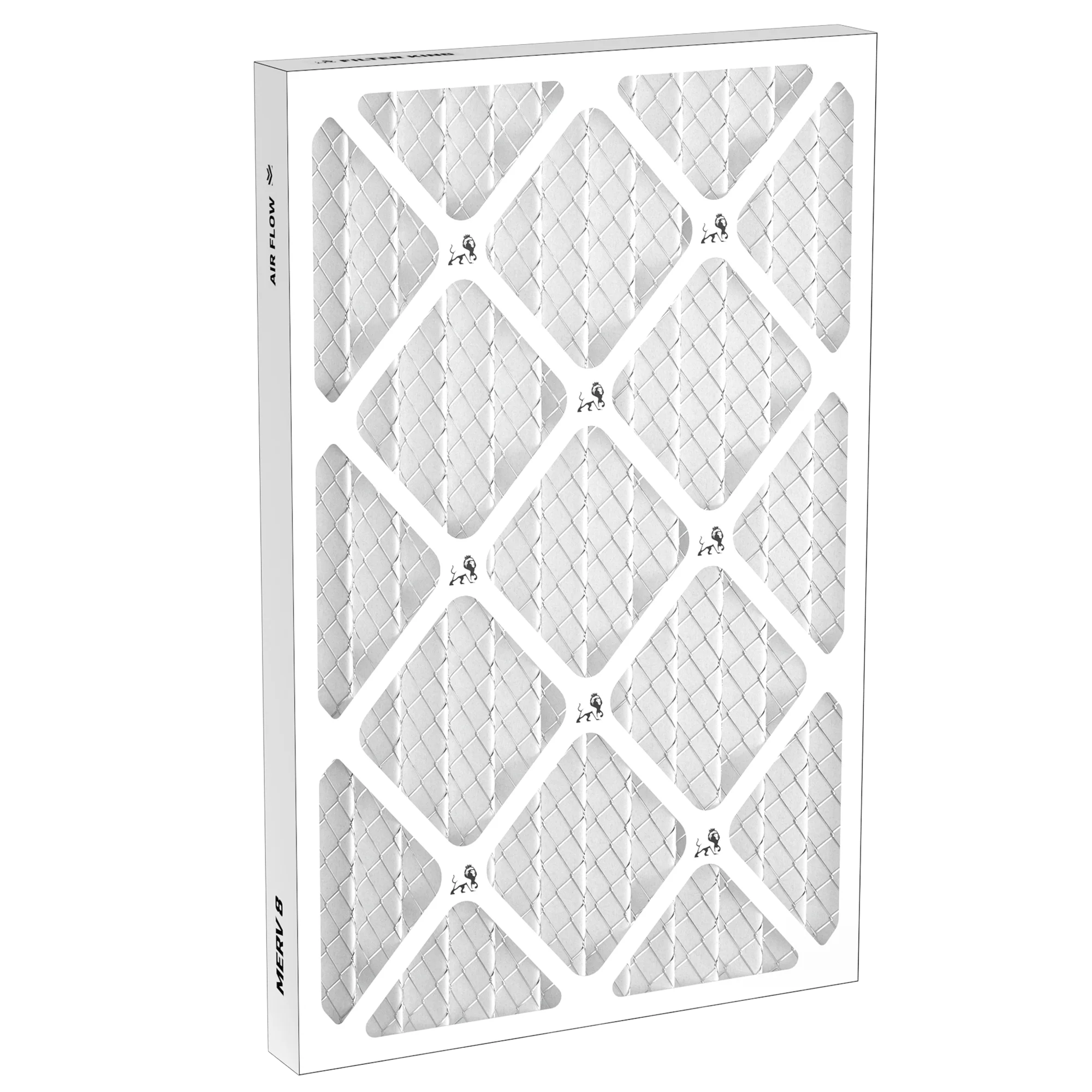
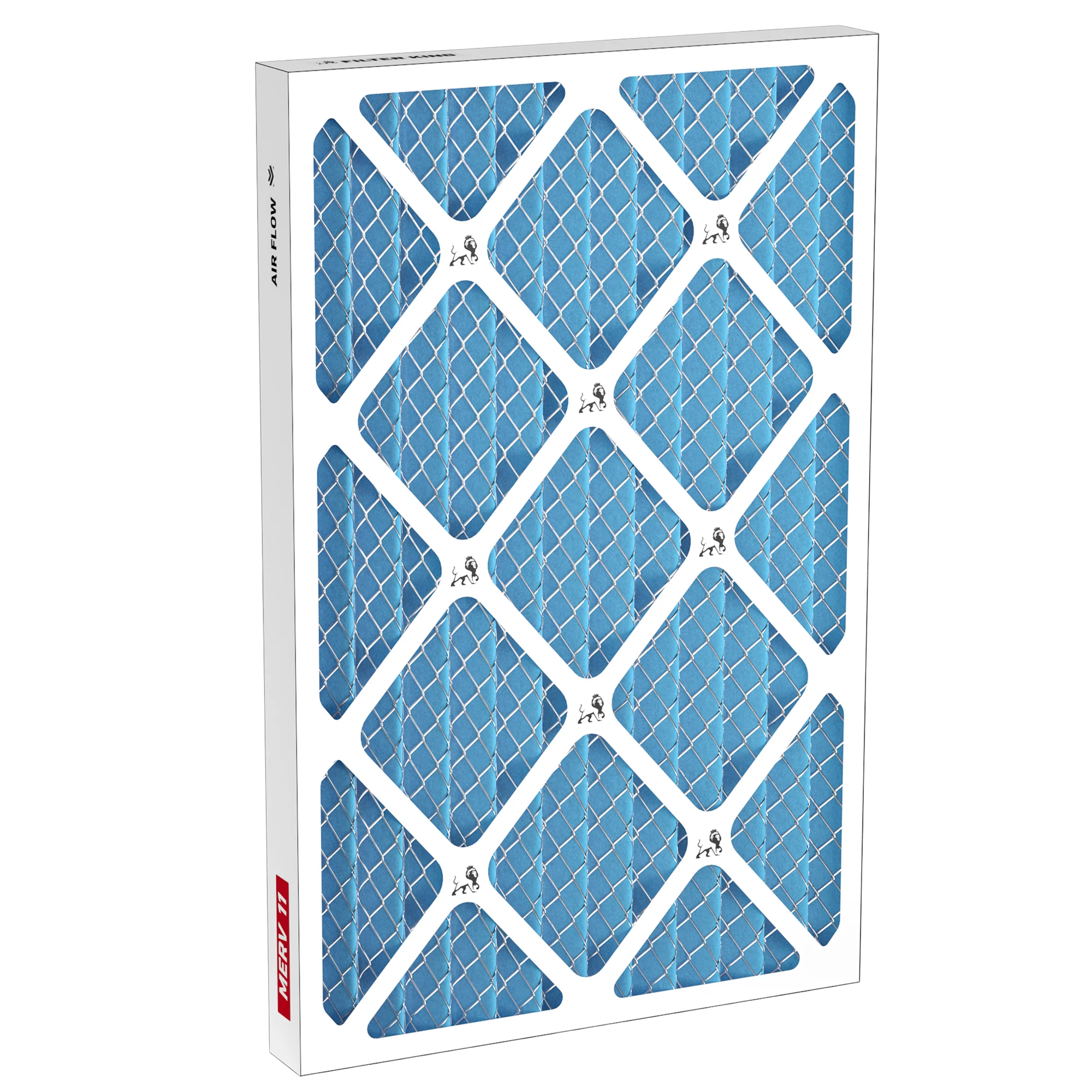
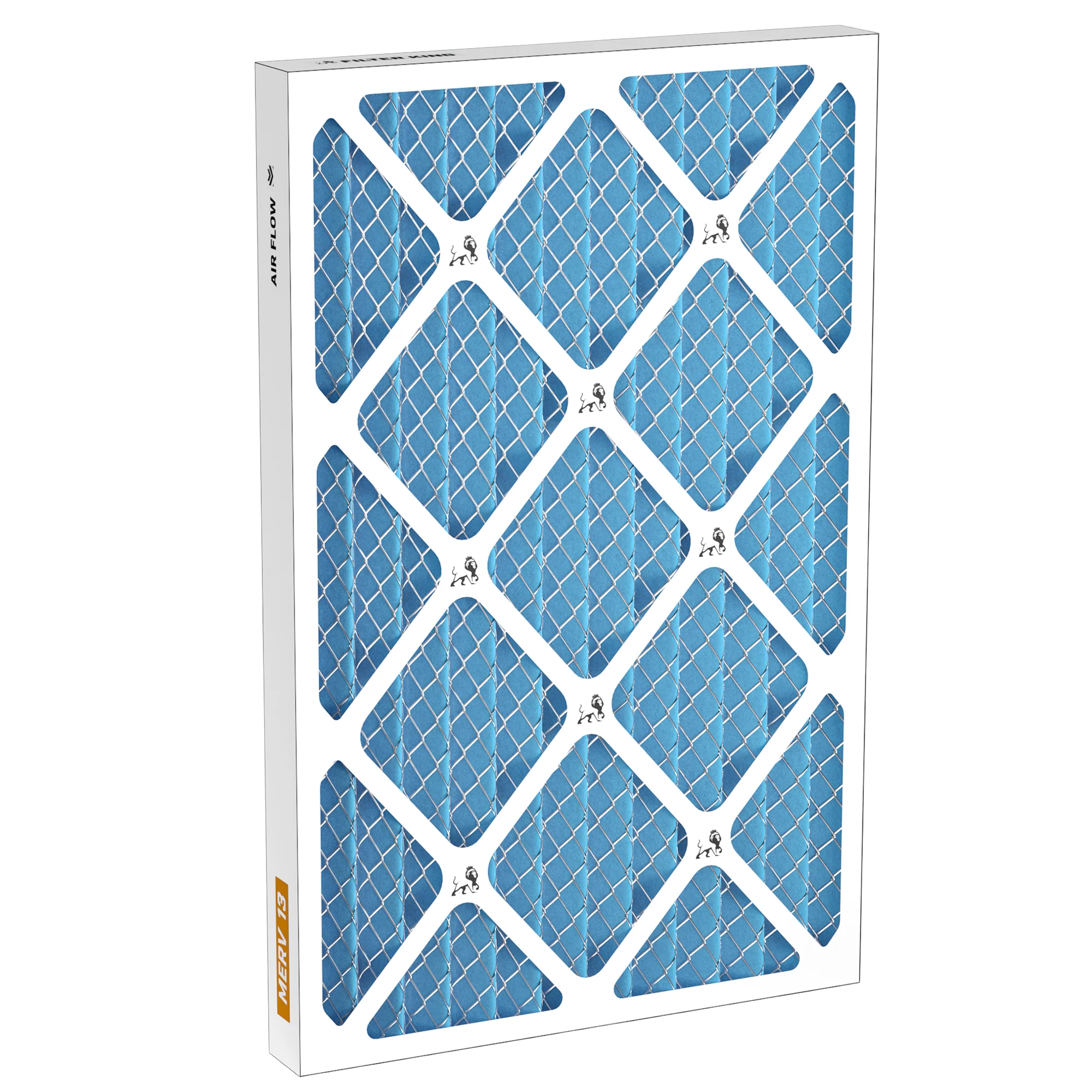
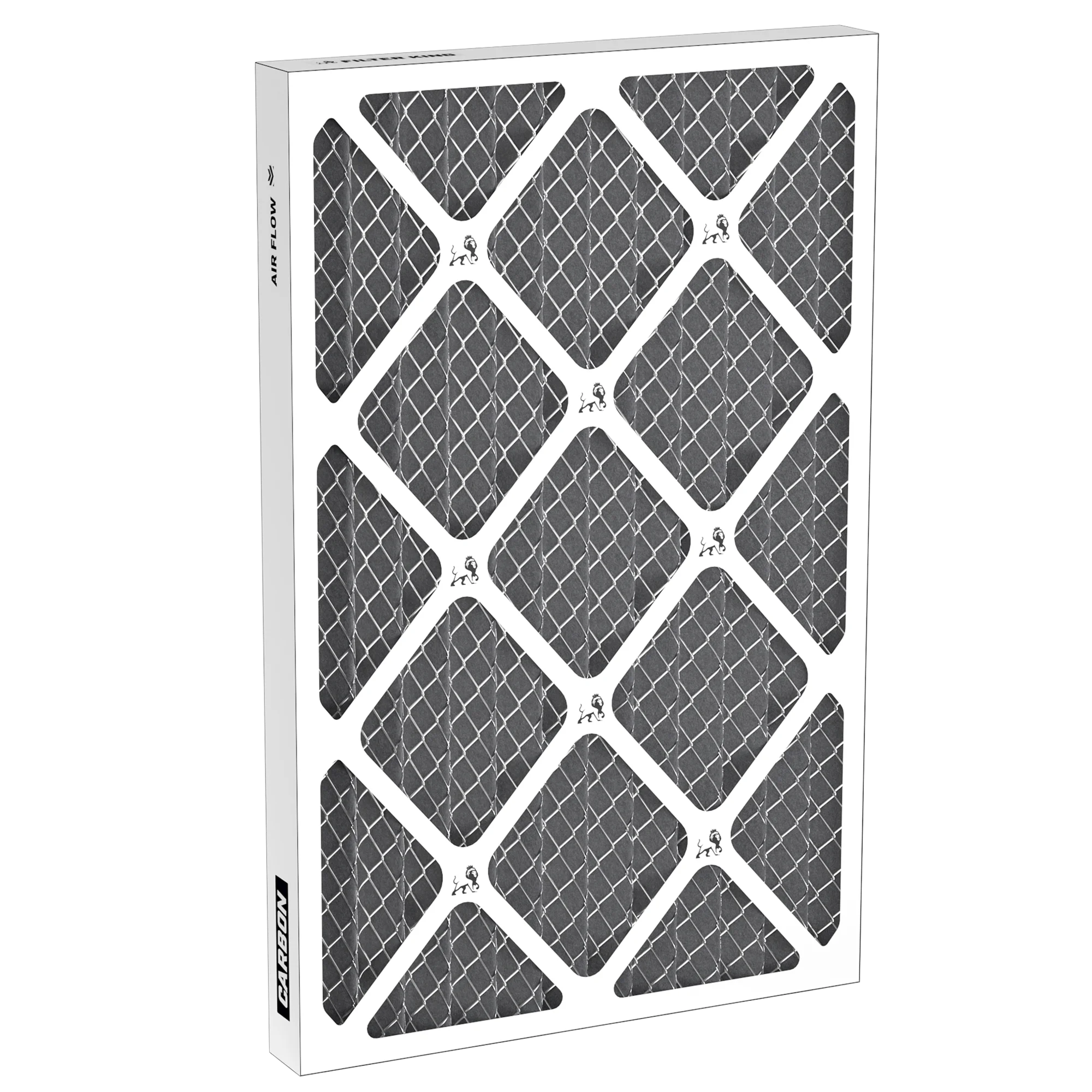







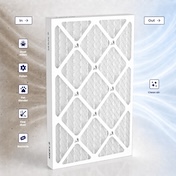
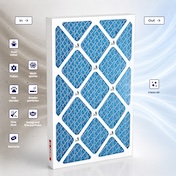

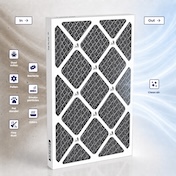
The 16x20x2 air filter is designed for residential furnace and HVAC systems, helping improve indoor air quality while protecting your equipment.
Whether you need a 16x20x2 furnace filter or a high-efficiency HVAC air filter, this size is commonly used and should be replaced every 60–90 days.
Actual size: 15.5 x 19.5 x 1.75 inches
 {{ filter_count }}


Processed quickly, ships fast, free for all orders

Return your items within 30 days and get a full refund

Find your perfect fit with our complete size range
A 2-inch filter holds more dust than a 1-inch one, but it still needs regular changes. Here's how often, based on your home.


A 2-inch filter holds more dust than a 1-inch, but allergy-prone homes should still swap it every 8 weeks or so.

Pet dander builds up in any filter over time. Plan to change your 2-inch filter about every 2 months to stay ahead of it.

With kids at home, aim to replace your 2-inch filter every 2 to 4 months to keep the air they breathe cleaner.

Your filter catches dust every day, but it can only hold so much. Once it's full, dirty air keeps circulating and your system has to work harder – leading to problems that spread through your whole home.

A clogged filter makes your system work much harder to push air through. That extra effort shows up on your energy bill.

When air can't flow through, your AC can freeze up in summer and your furnace can overheat in winter.

A dirty filter weakens your system's airflow, so some rooms end up too hot, too cold, or just plain stuffy.
How well does the current selection protect your home?
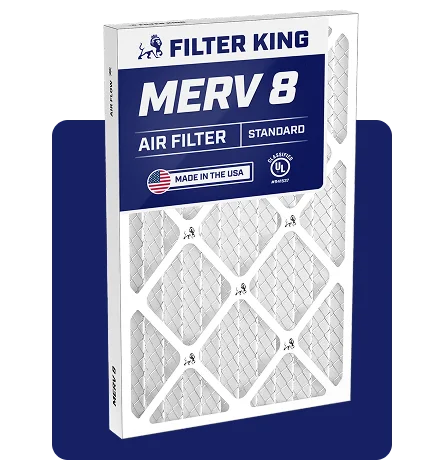
Captures dust mites, pollen, pet dander, lint, and mold spores – up to 90% of common household particles. Does not stop fine dust, smoke, or smog particles under 3 microns.


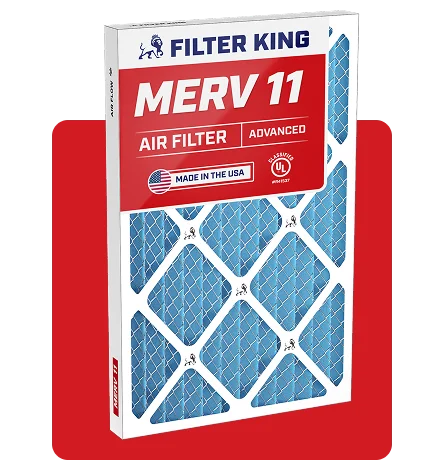
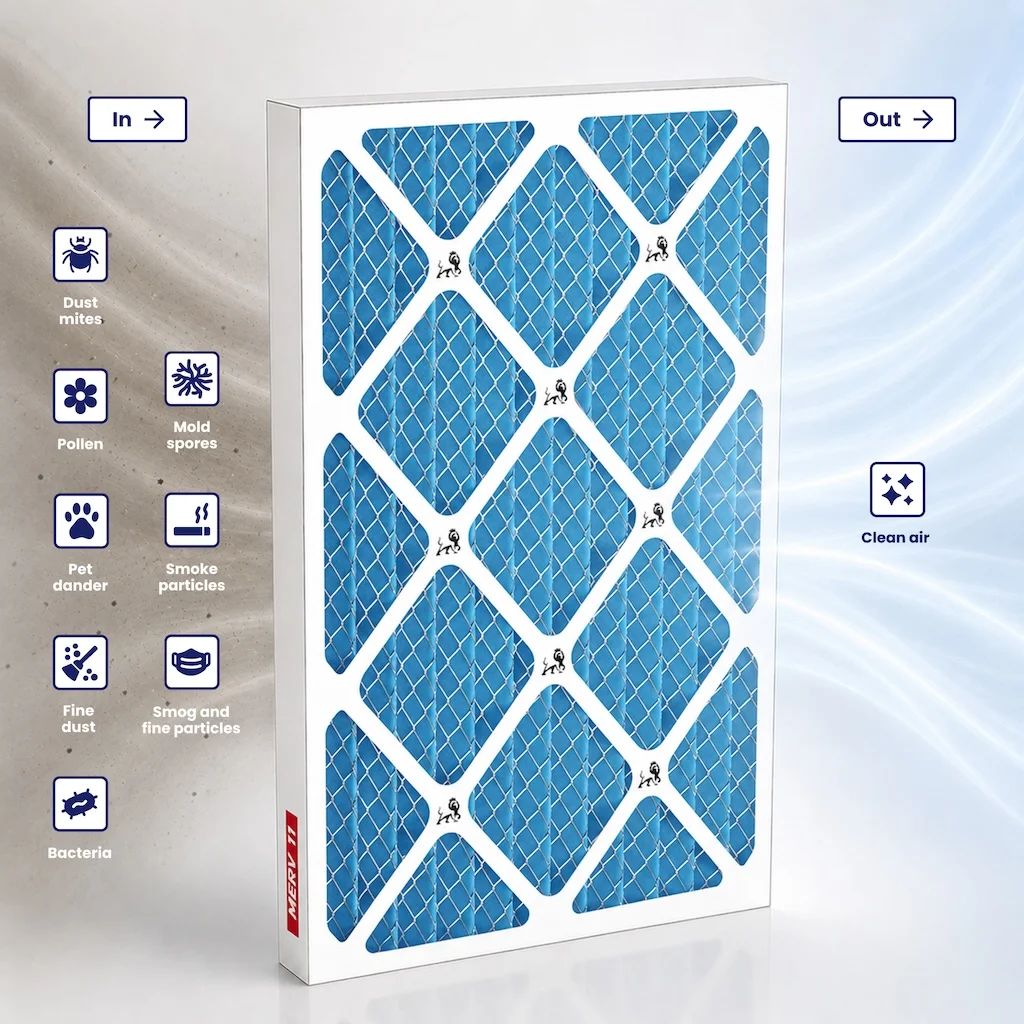
Captures everything MERV 8 does, plus fine dust, smoke particles, and smog – up to 95% of common particles, including particles as small as 0.1 microns. Does not capture bacteria, virus carriers, or odors.


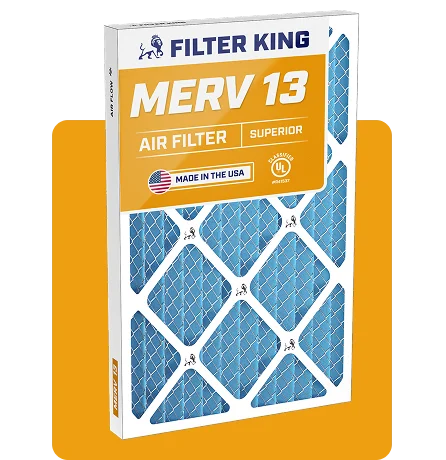
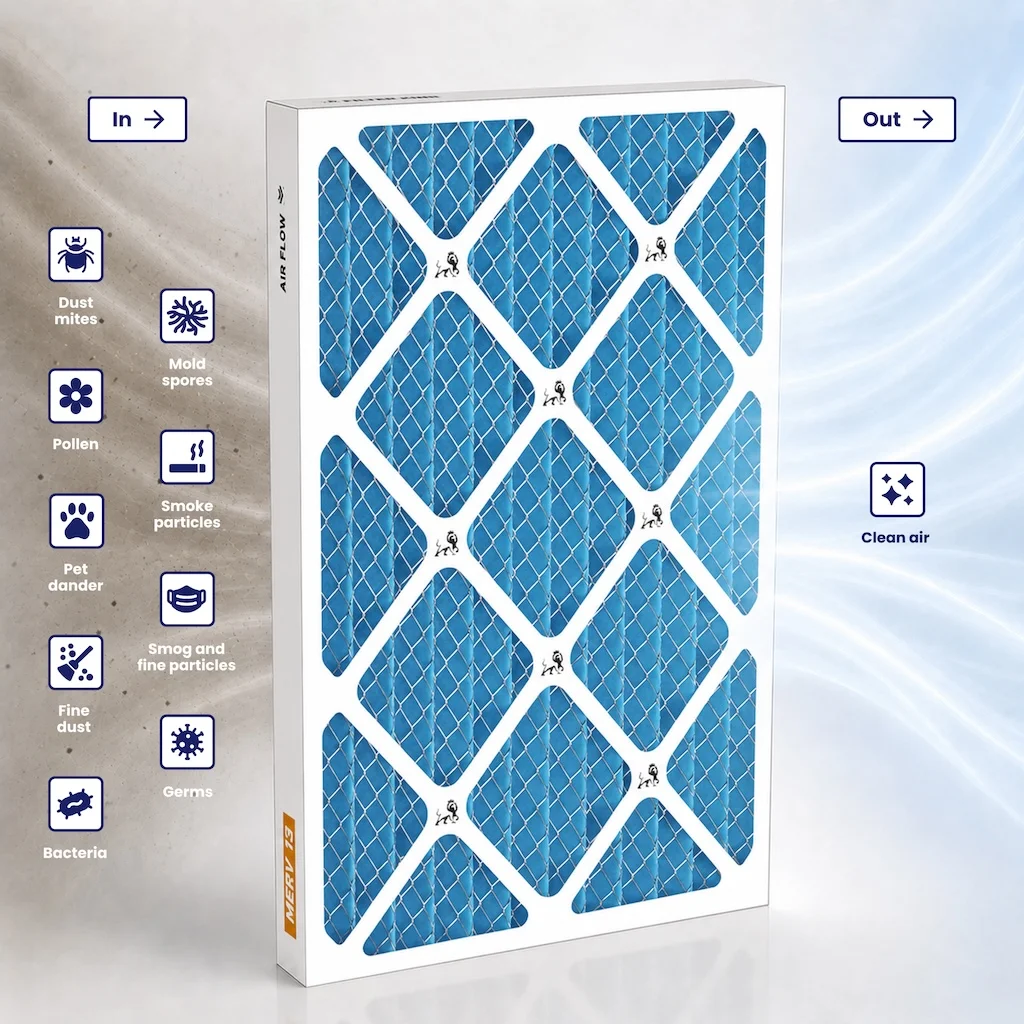
Captures everything MERV 11 does, plus bacteria and virus carriers – up to 98% of common particles. Does not remove odors, VOCs, or cooking smells.


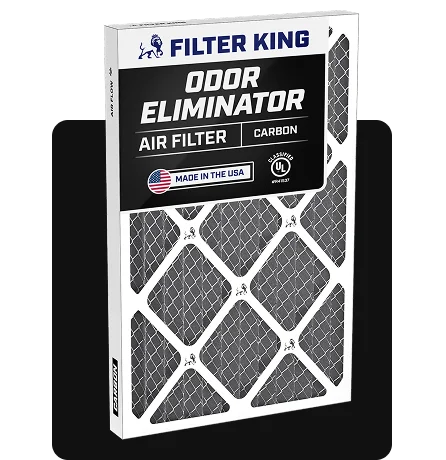
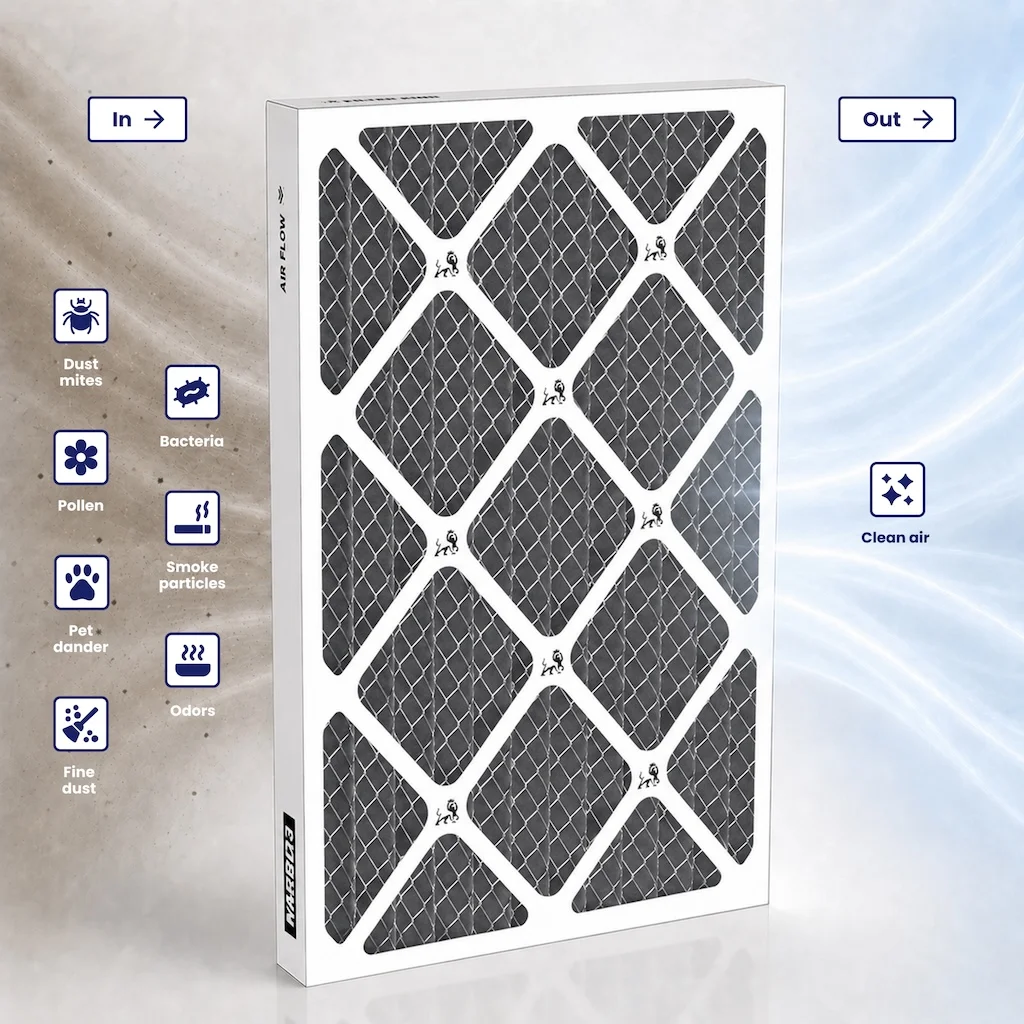
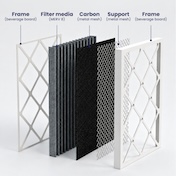
Captures the same particles as MERV 8 – dust mites, pollen, pet dander, lint, and mold spores – plus smoke particles, odors, gases, and VOCs at the molecular level. Does not capture fine dust, smog, bacteria, or virus carriers.


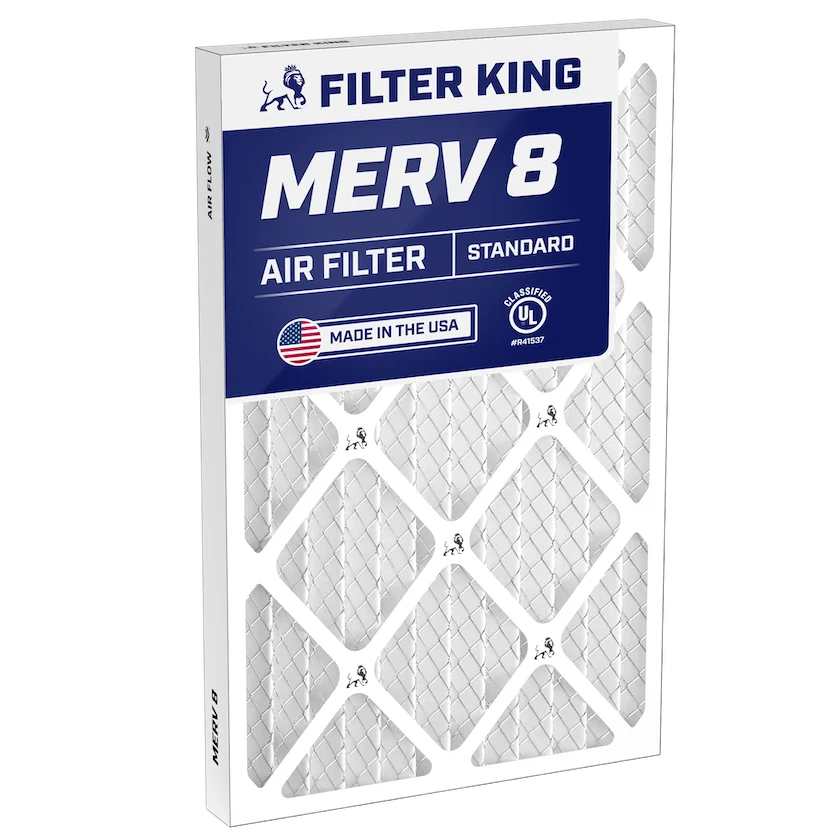
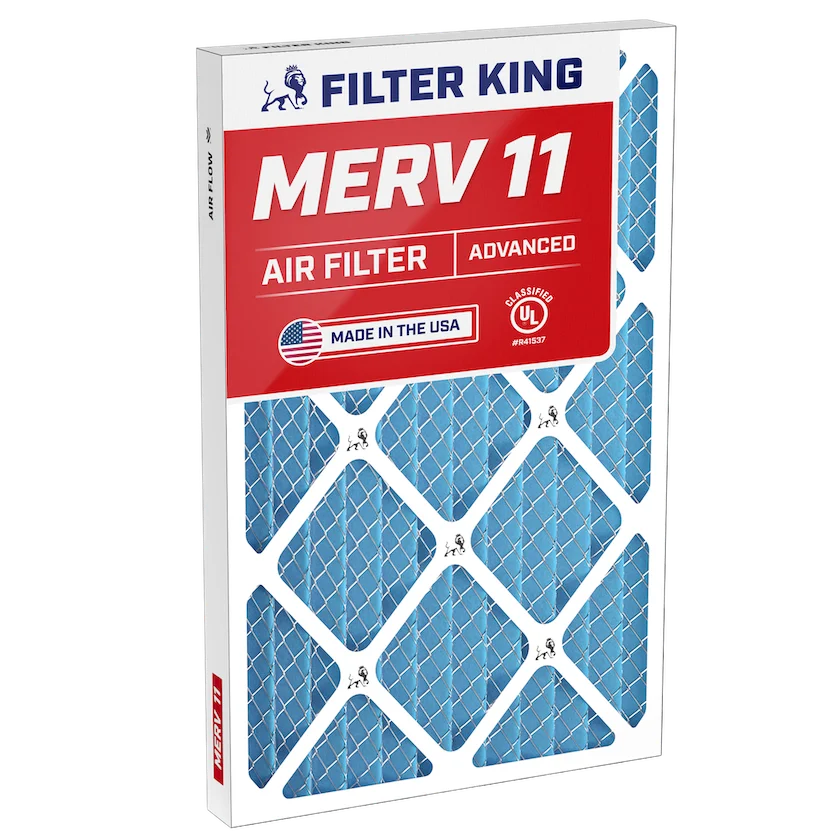
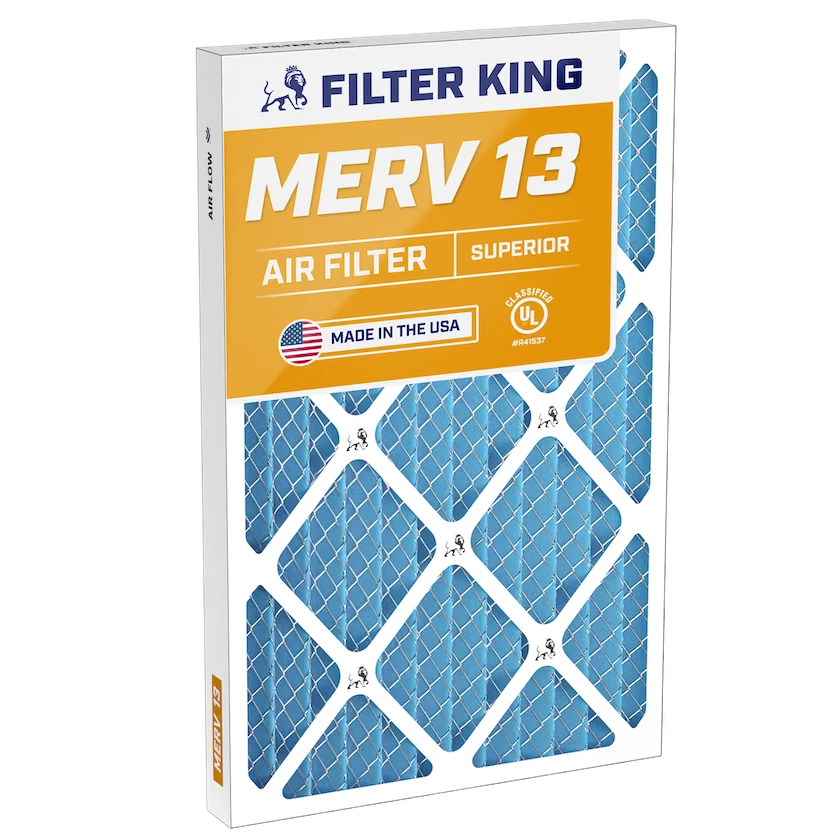
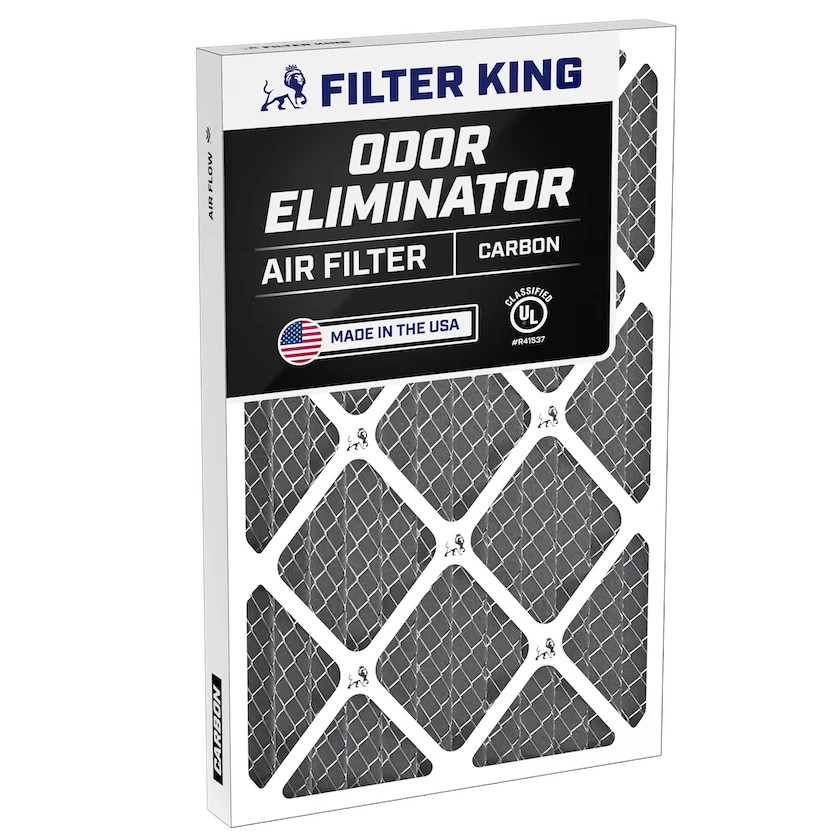


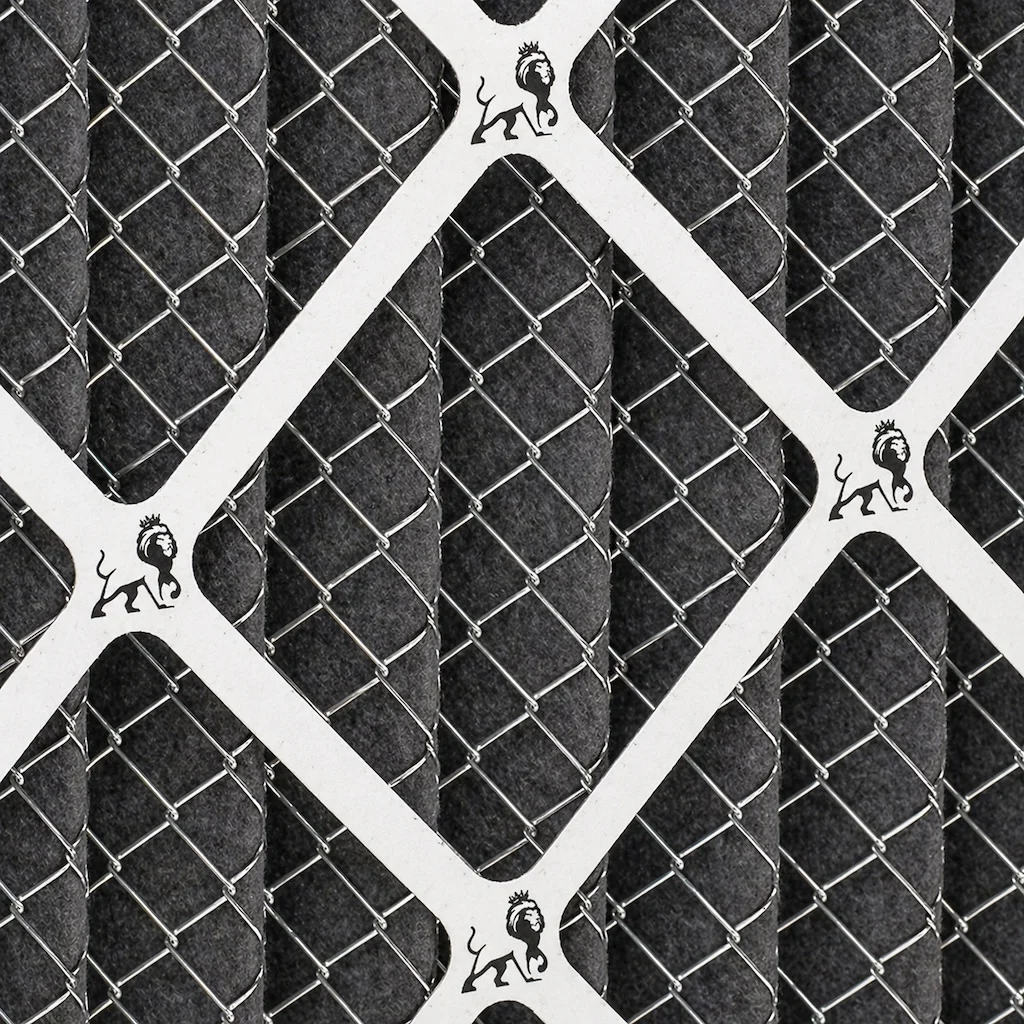
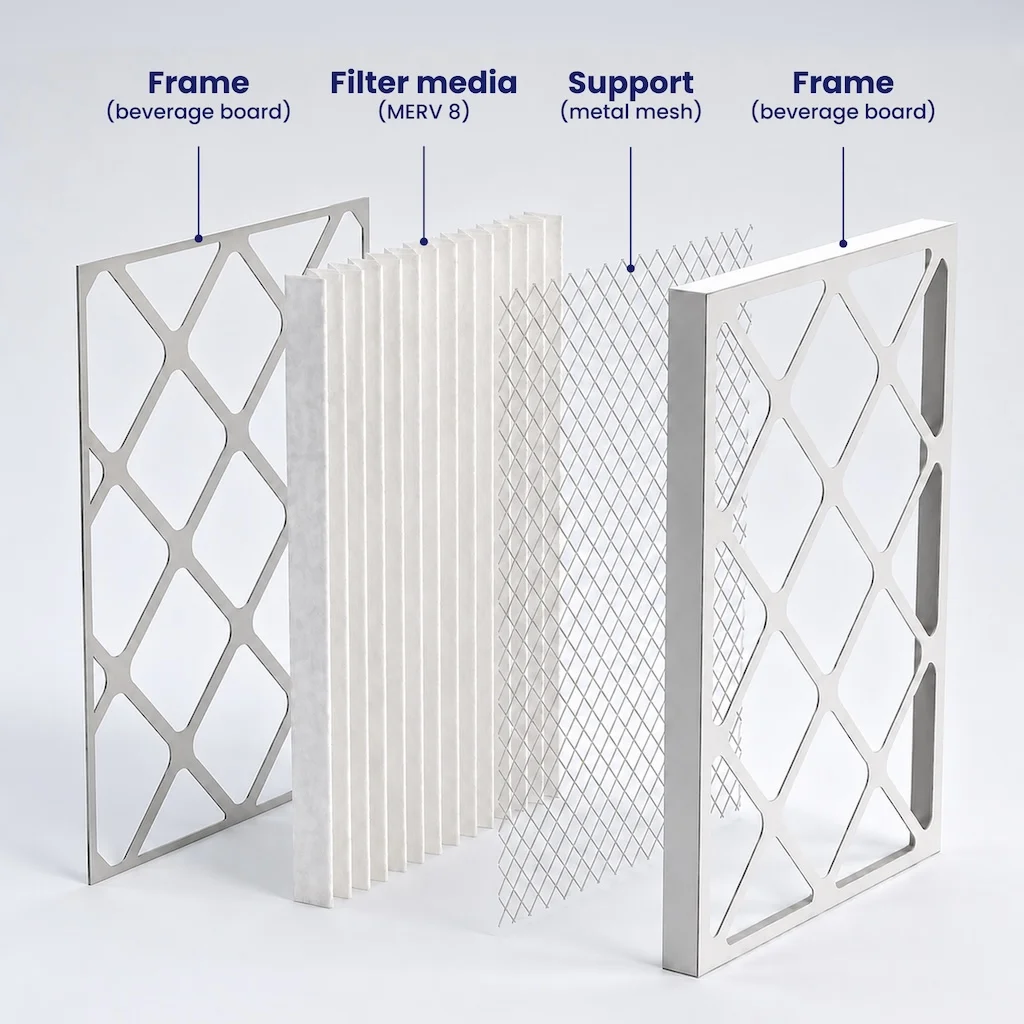
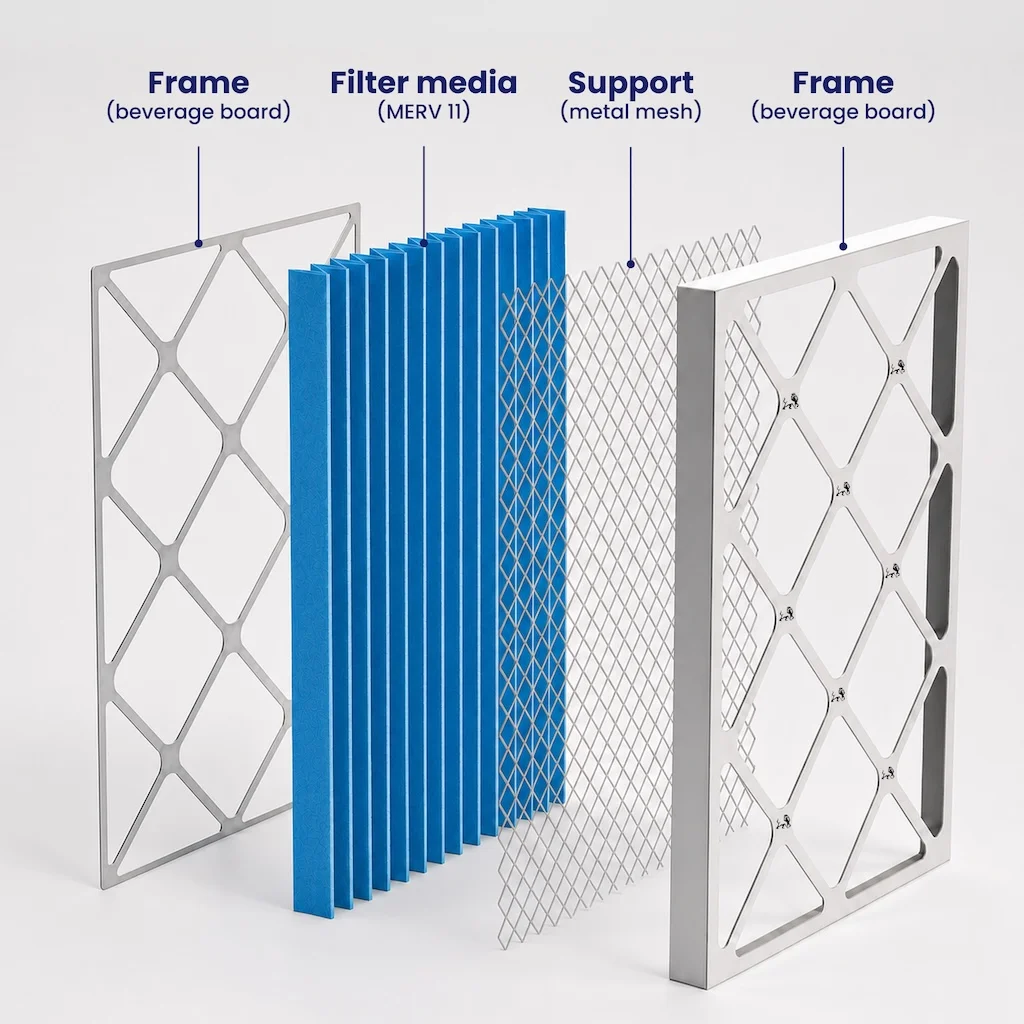
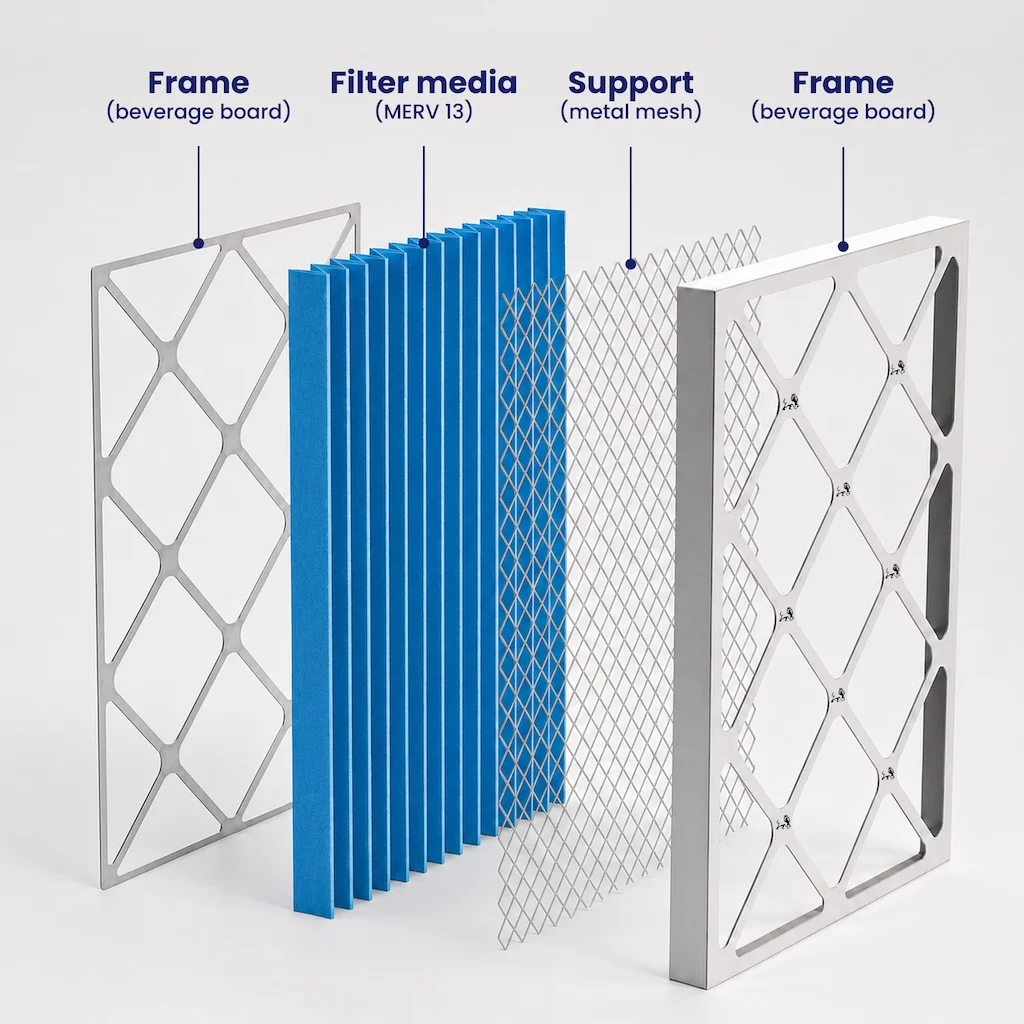
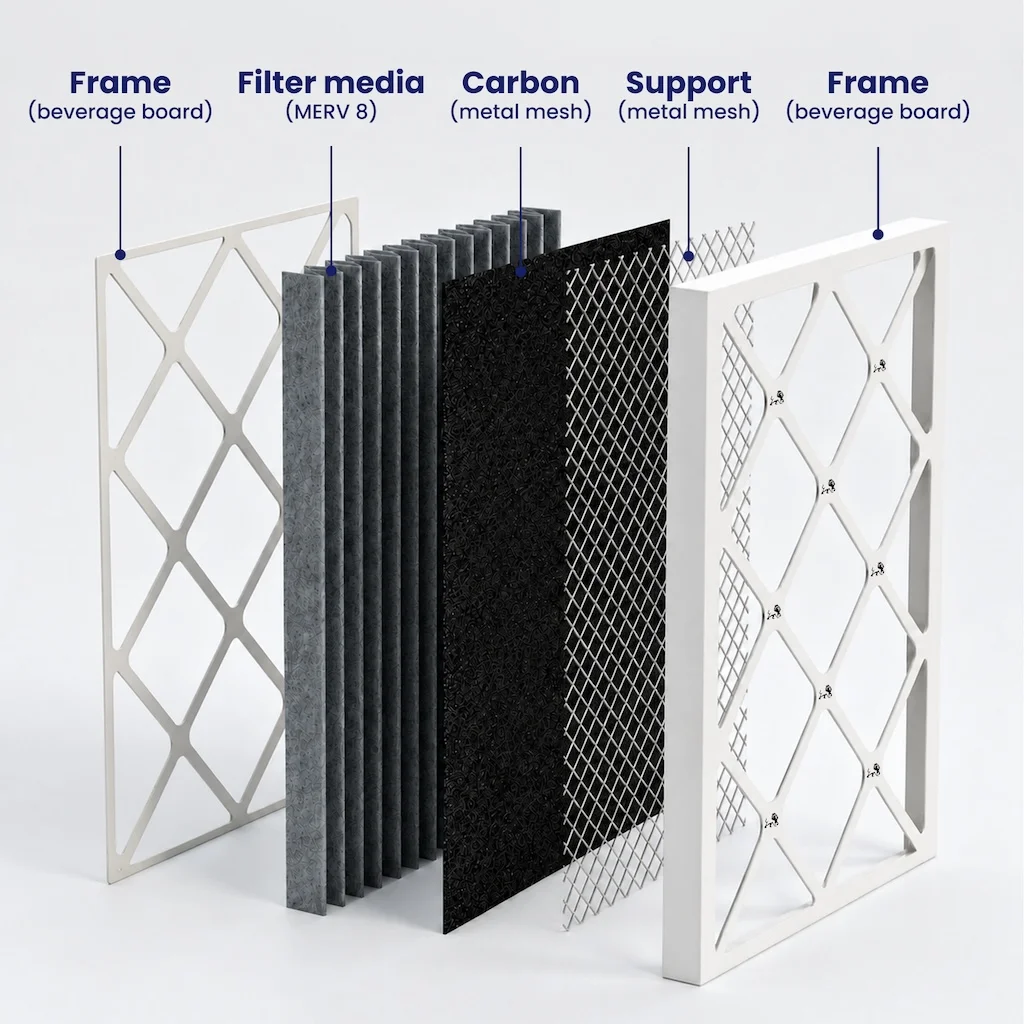
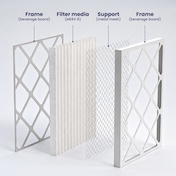
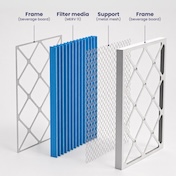
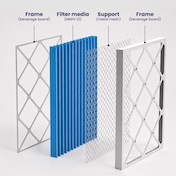
The diagonal straps die-cut into the frame bond to each pleat tip, keeping them evenly spaced so the filter won't bow.
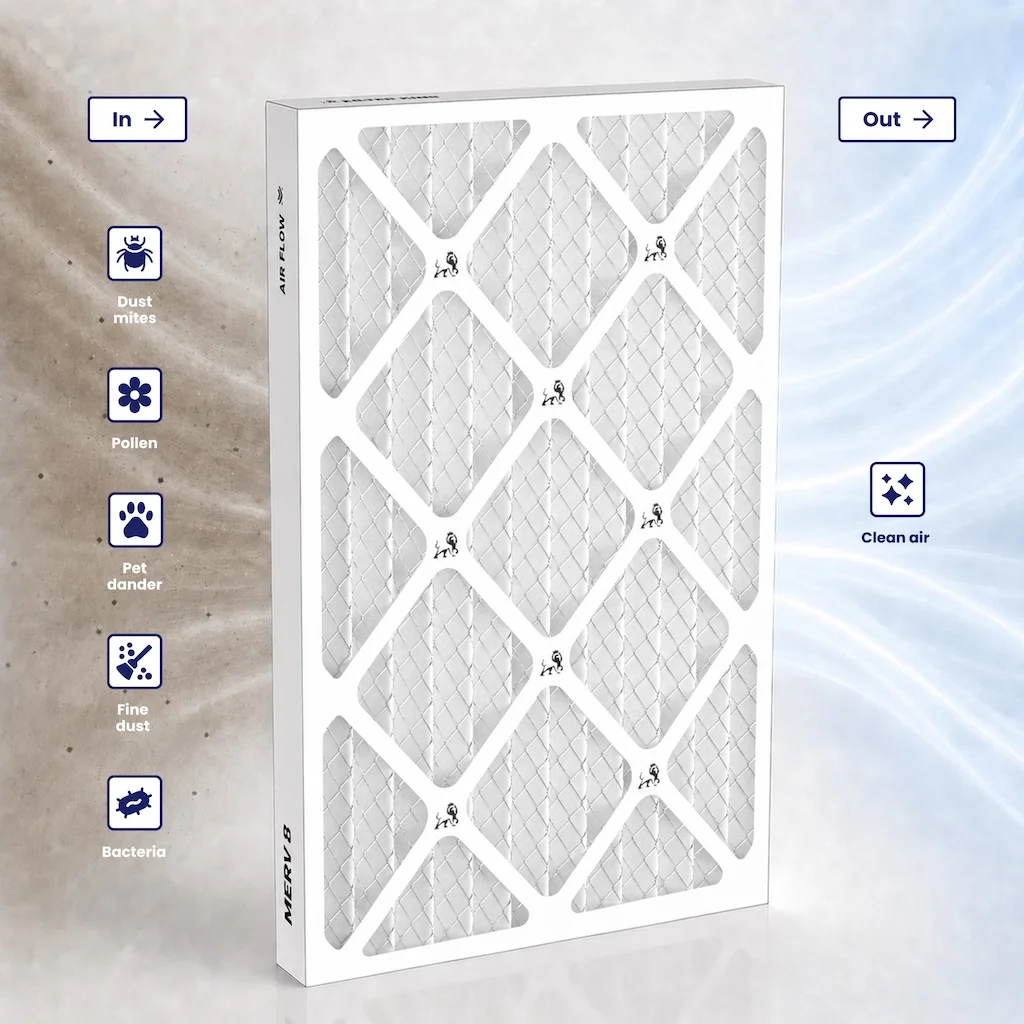
Traps up to 90% of everyday particles like dust mites, pollen, pet dander, and mold spores, while still letting air flow through freely.
Rated to capture up to 95% of common particles, MERV 11 media catches dust mites, pollen, pet dander, and mold spores, as well as fine dust and smoke.
Stops up to 98% of particles passing through, including dust mites, pollen, pet dander, and mold spores, as well as fine dust, smoke, and bacteria.
Traps up to 90% of everyday particles like dust mites, pollen, pet dander, and mold spores, while still letting air flow through freely.
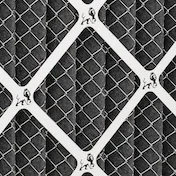
An expanded wire grid bonds to the media, stopping the pleats from shifting or pulling away under airflow.
An expanded wire grid bonds to the media, stopping the pleats from shifting or pulling away under airflow.
An expanded wire grid bonds to the media, stopping the pleats from shifting or pulling away under airflow.
A layer of activated carbon absorbs odor molecules from cooking, pets, and chemical fumes – catching what the filter media alone can't.
The same heavy-duty, moisture-resistant beverage board on the exit side holds its shape and keeps a tight seal in your vent or wall slot.
An expanded wire grid bonds to the media, stopping the pleats from shifting or pulling away under airflow.
Check the label on your current filter or use a tape measure to determine the length, width, and thickness. Just make sure you know the difference between nominal and actual size.
Nominal Size: 16x20x2
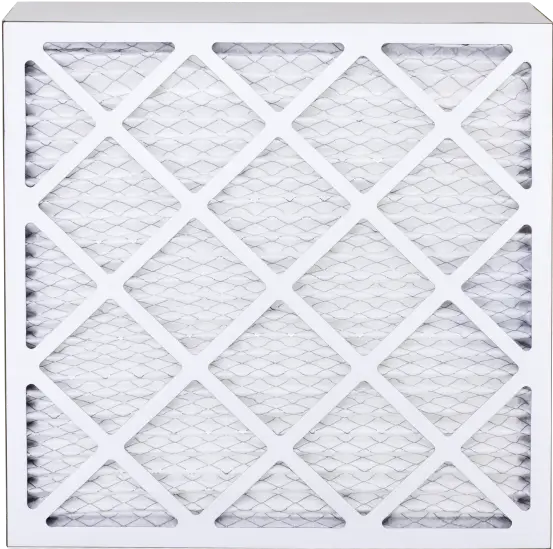
Actual Size: 15.5x19.5x1.75
Nominal size is what you normally see printed on the label. This is usually a rounded size which is often not the true size of your filter.
Actual size is the true size of the air filter, usually written in smaller font below the nominal size.
Measure your current air filter or the length, width, and depth of the opening slot to get the actual size. Round it up to the nearest whole inch to get the nominal size.
Installing 16x20x2 furnace filter or HVAC air filter is easy. Just make sure to align the arrow printed on the side with the airflow direction!
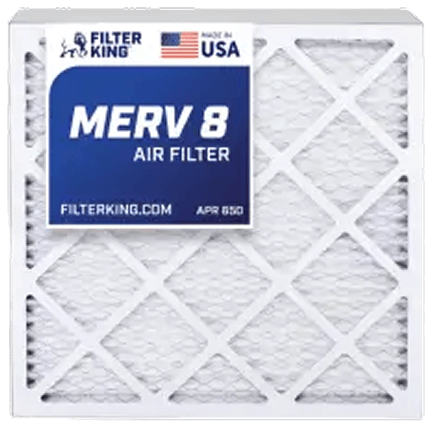
Remove the air filter from the package
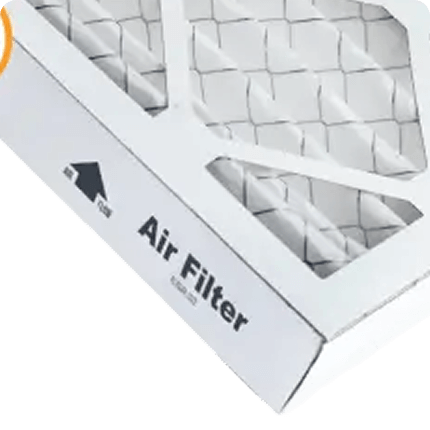
Locate the arrow and point it in the direction of the fan
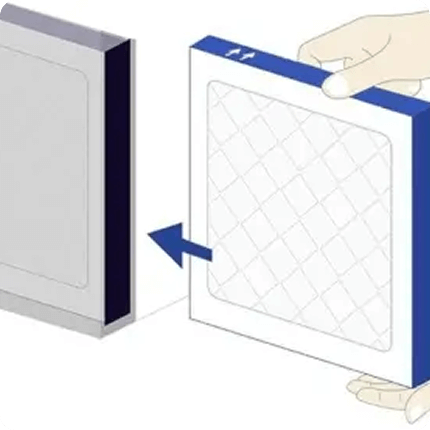
Slide the filter in to the slot of the central unit

For return grills, insert the filter into the grill, pointing the arrow inwards
Never run out of a clean filter – and cancel anytime if your plans change
 Pay full price on every order
Need to remember to reorder every time you run out
Forget to reorder, and a dirty filter can drive up your energy bills.
Pay full price on every order
Need to remember to reorder every time you run out
Forget to reorder, and a dirty filter can drive up your energy bills.
 Get 5% off every order, automatically
New filters arrive right when you need them
Pause, skip, or cancel anytime – no commitment needed.
Get 5% off every order, automatically
New filters arrive right when you need them
Pause, skip, or cancel anytime – no commitment needed.
The 16x20x2 air filter sits in the middle between standard 1-inch filters and deeper, 4-inch media filters. It's designed for homeowners who want longer filter life and better dust capacity than a 1-inch filter can offer without upgrading to a full media cabinet that is often required for 4-inch air filters.
This 2-inch format filter fits into systems built for slightly deeper filter slots. This makes it a practical upgrade for many furnaces and air handlers that cannot accommodate thicker filters. With more filter media packaged in the same footprint, a 16x20x2 air filter can deliver steadier performance and fewer replacements while maintaining proper airflow.
In this guide, you'll learn how you can confirm whether your system supports a 16x20x2 air filter, what advantages the 2-inch filter depth provides, and how to choose the right MERV rating for your household. Once you've read this guide, you'll feel confident in your decision so you can get the best balance of performance, lifespan, and value for your home.
The key question with a 16x20x2 air filter is compatibility. A 2-inch filter will not fit in a standard 1-inch slot, and forcing it can restrict airflow and also prevent the grille from closing properly. Systems that use 2-inch air filters are built with deeper filter racks or return grills specifically designed for this depth.
You'll find 16x20x2 air filter replacements in:
Many models across major HVAC brands do support 2-inch filters when paired with the correct rack. Adoption of 2-inch filtration has grown as a middle ground between frequent 1-inch filter changes and the space requirements of 4-inch or 5-inch air filter cabinets. This is a trend reflected in residential filtration guidance from ASHRAE, which emphasizes matching filter depth to rack design to maintain airflow and minimize air bypass.
Use one of the following quick checks:
Using the correct depth ensures a proper seal, prevents air bypass, and keeps pressure drops within design limits. Industry guidance summarized by the US EPA notes that improper fit can reduce filtration effectiveness while increasing system strain. If your system is built for 16x20x2 air filter solutions, stick with that depth to get the intended performance and lifespan.
A 16x20x2 air filter is often the sweet spot for homeowners who want better performance than a 1-inch filter has to offer. A 2-inch solution is ideal without the cost or installation requirements for a standard 4-inch media cabinet. It is a true middle ground solution, balancing airflow, filtration efficiency, and maintenance effort.
One of the most noticeable upgrades from a 1-inch filter is lifespan. With double the depth, a 2-inch filter holds more pleated media and spreads dust across a larger surface area. In practical terms, that typically means:
More media also means better dust holding capacity, so airflow stays steadier between changes. When it comes to improving air quality and filter efficiency, a 2-inch filter allows for less frequent changes and replacements.
While 4-inch filters offer even longer life, they require a dedicated media cabinet and a larger upfront investment. A 16x20x2 air filter delivers many of the same everyday benefits. They offer longer life and improved performance (superior filtration), without modifying the HVAC system or return duct. For homes already equipped with a 2-inch rack, this format avoids:
2-inch air filters allow for more media, which reduces how tightly air is forced through the media. This helps lower pressure drop compared to a densely packed 1-inch filter (especially as the filter loads with dust and airborne particles).
Industry guidance from organizations such as ASHRAE consistently shows that increasing filter surface area helps manage pressure drop while simultaneously supporting more stable airflow over time.
For many households, the 2-inch format hits the right balance:
If your HVAC system supports it, a 16x20x2 air filter offers a practical upgrade that improves daily performance while keeping maintenance simple and predictable.
With a 16x20x2 air filter, MERV selection is less about what's technically possible and more about what suits your household's needs. The added depth of a 2-inch filter provides more surface area than an HVAC system that utilizes a 1-inch filter depth. This helps manage airflow and dust loading across a wider range of MERV ratings. That makes it easier to choose the right level without pushing the system too hard, which is essential for those who want to improve indoor air quality.
MERV 8 filters capture common household and airborne particles such as dust, pollen, and mold spores. These are generally in the 3-10 micron range. In a 2-inch format, MERV 8 offers excellent airflow stability and a typical 3–6 month lifespan, making it a safe and low-resistance choice.
MERV 11 filters are best for pet dander, airborne particles, and cleaner air overall. MERV 11 captures smaller particles such as fine dust and pet dander, making it a strong all-around option for busy households. Compared to 1-inch MERV 11 filters, a 16x20x2 air filter handles this rating more comfortably thanks to better pleat spacing.
MERV 13 filters target very small particles, including smoke and other fine airborne particles. ASHRAE recognizes MERV 13 as a high-efficiency level for residential systems when airflow is properly supported. The 2-inch depth helps reduce airflow issues that are commonly seen with 1-inch MERV 13 filters, but system compatibility should still be confirmed before choosing this level.
When it comes to tackling microscopic particles involving smoke and odors, MERV 8 Carbon is best.
MERV 8 Carbon is ideal for cooking smells, pet dander, and stale indoor air. MERV 8 Carbon filters combine particle filtration with activated carbon to help reduce light gases and odors. Because the base filtration remains MERV 8, airflow also stays stable while adding odor control to the filter.
The advantage of a 16x20x2 air filter is its flexibility. Whether you're prioritizing airflow, cleanliness, allergy support, or odor reduction, the 2-inch construction gives you more room to choose the filtration level that suits your home (without the common trade-offs that come with 1-inch filters).
As you're evaluating your 16x20x2 air filter, it helps to begin with economics. While 2-inch filters cost more upfront than 1-inch options, they typically last between 2–3 times longer, which often results in reduced annual replacement costs and fewer maintenance tasks.
Most 16x20x2 air filter replacements last 3–6 months under normal household conditions. The added depth increases dust-holding capacity, so the filter loads slower and maintains airflow longer than a 1-inch filter.
Expect replacement closer to 3 months if your home has one or more pets, higher indoor dust levels, ongoing construction nearby, or continuous heating or cooling in extreme climates.
You might reach the 6-month target range if your home doesn't have any pets and if the outdoor air quality is relatively clean. HVAC use is seasonal rather than constant and your home is well-sealed.
Even with a longer lifespan, it's smart to check your filter every 2–3 months. Slide it out and check for:
When your goal is to improve indoor air quality with your HVAC system, you'll want to calculate the true annual cost of your system. A typical comparison looks like this:
Even at a higher filter cost, many homeowners spend the same or less annually on 2-inch filters.
The easiest way to select the right 16x20x2 air filter is to layer your household conditions one at a time. Instead of beginning with a MERV number, start with what your home actually needs (and stack factors until the right filtration level becomes clear).
Installing a 2-inch filter is not difficult, but there are a few differences compared to a standard 1-inch filter. These details help ensure the filter is correctly in place and performs as intended.
The most important step happens before installation. A 2-inch filter requires a rack or return grille designed for a 2-inch depth. It will not fit in a 1-inch slot, which is why verifying is essential before ordering the exact size you need for better filtration. Before ordering:
Because a 2-inch filter media is thicker, it's easier to determine when it has been installed backward. Look for the airflow arrow on the frame and verify that it is pointed toward the furnace or air handler. Correct orientation ensures the dust loads evenly across the pleats and airflow stays within design limits.
Many systems that use 16x20x2 air filter solutions have:
With side-access racks, support the filter evenly as you slide it in to avoid bending the frame. With front-access grilles, make sure the filter sits flush before closing the cover so it doesn't shift or bow.
With a 16x20x2 air filter, quality differences matter more than the label suggests. Thicker filters promise better performance, good quality, and a great price, but only if they're built correctly. Instead of relying on marketing claims, use the evaluation framework below to compare your options and to spot shortcuts that lead to poor fit, airflow issues, and shorter service life.
Start by confirming that the stated MERV rating is tested and certified in the USA. Credible filters reference standardized testing aligned with testing benchmarks. If the rating isn't backed by recognized testing, there is no guarantee the filter will perform as advertised. When you're searching for filters that are good quality and a great value, turn to Filter King.
More pleats only help if they're well-supported and evenly spaced. Poorly formed pleats collapse or load unevenly, which increases resistance and shortens filter life. Always check for straight pleat walls, uniform pleat space, and consistent depth from end to end.
Understand the nominal size of your filter and check for dimensional accuracy during installation. Knowing the nominal size of your filter can help determine if the filter is the right fit for your HVAC system.
Thicker filters rely on the frame to stay square under airflow pressure. Weak frames can twist, bow, and separate as dust loads increase, breaking the seal inside the rack. Check for rigid, moisture-resistant frames that hold their shape during handling and operation.
A good 16x20x2 air filter performs consistently over time. That is a big difference from a 1-inch filter, which requires additional replacements. Verifying tested MERV performance, inspecting pleat construction, and confirming accurate sizing is how you can compare filters objectively.
Buying a 16x20x2 air filter isn't just about choosing a MERV rating and adding it to your cart. When you want to replace an air filter with a filter that has the perfect fit, you need to know more about what you're targeting. From pollen and mold to cooking oils and odors, it's important to understand specific needs before selecting a filter that is right for your system. A little planning upfront helps avoid fitting mistakes, missed replacements, and unnecessary costs. This is especially true as 2-inch filters are far less common than 1-inch options.
Many homeowners assume their system uses a 1-inch filter because that is the most common size. Even if you believe they worked great in the past, it's important to verify proper fit. Before buying, measure the filter slot depth or check the label on your current filter or return grille. A true 2-inch rack will accept the filter without bending or forcing. Ordering the wrong depth is one of the most common causes of returns.
With a typical 3–6 month replacement interval, most homes use 2–4 filters per year. Bulk buying makes sense if you want to reduce per-filter costs and have storage space. Subscription delivery works well if you prefer automatic reminders and consistent timing without keeping extras on hand for a great price.
Because 16x20x2 replacement air filters aren't stocked everywhere, supplier consistency matters. When teaming up with a business such as FilterKing, you can rest assured knowing that your filters are not only efficient, but well-made.
The actual size of a 16x20x2 air filter is approximately 15.5 x 19.5 x 1.75 inches when ordering from FilterKing. Manufacturers undersize filters so they fit securely in the filter rack's environment without bending the box itself. Always buy the listed size your system specifies to ensure proper sealing while preventing bypass.
No. You cannot use a 2-inch filter in a 1-inch slot. You'll want to find the perfect size for ideal airflow at a good price. Forcing a 2-inch filter into a 1-inch slot can damage the filter, block airflow, and prevent the cover from closing properly.
Replace your 16x20x2 air filter every 3–6 months to reduce energy costs and to help ensure proper airflow throughout your home. Houses with pets, constant HVAC system usage, or high dust may consider replacing these filters closer to 3 months.
No, a MERV 13 filter does not restrict airflow if the system supports 2-inch filters. The extra cost results in added depth that provides more surface area than a 1-inch filter, which helps with managing resistance. Confirm your HVAC system allows MERV 13 and monitor airflow after installation. Determine the actual size of the filter before installing it for the best results.
Yes, 2-inch filters are often harder to find than 1-inch filters because fewer systems use them. Understanding the actual size of the filter you need is important to ensure you buy the right ones consistently. Buying online before you replace your filter is highly recommended to ensure you are getting exactly what you need.
No. These filters are built to be disposable, not washable. Washing damages the filter media and reduces particle capture. Once the filter loads with dust, replacement is the way to go.
A 16x20x2 air filter has more media than a typical 1-inch filter, which allows longer life and steadier airflow. A 2-inch filter also typically lasts between 3–6 months, while a 1-inch filter lasts 1–3 months in total. Additional information can be found on filter labels to ensure you are installing the right filter for your home's system.
Choose a 16x20x2 filter if you want longer filter life without installing a new and separate media cabinet. Four-inch filters require cabinet upgrades and higher upfront costs. A 2-inch filter offers fewer replacements than 1-inch options while fitting seamlessly into systems already designed for deeper racks.


 MERV 8 filters