


Air filters 101
Most homes should check their furnace filter monthly and replace it when it looks dirty. As a baseline, replace at least every 3 months.
Replacement timing depends on thickness and MERV. Higher MERV filters load faster because they capture smaller particles, and as a filter loads it increases airflow restriction. More airflow restriction can increase system strain and reduce efficiency.
Typical ranges by thickness:
- 0.5 inch filters: change every 30 to 60 days
- 1 inch filters: usually every 30 to 90 days
- 2 inch filters: normally every 3 to 6 months
- 4 inch and 5 inch media filters: approximately every 6 to 12 months
Replace sooner if you have pets, allergies, recent renovations, heavy HVAC runtime, or you notice weaker airflow, more noise, longer run times, or the filter looks packed with dust.
Changing a furnace filter means swapping the old filter for a new one in the return vent or filter slot. Turn the system off, remove the old filter, and slide the new one in with the airflow arrow pointing toward the blower/furnace (into the equipment). Turn the system back on and confirm the filter sits flat with no gaps.
Replace your furnace filter early if you see signs it’s loading up before your normal schedule. Common signs include visible dirt buildup, weaker airflow, more dust in the home, longer run times, or allergy symptoms flaring up. If the filter looks noticeably gray or clogged, it’s time— even if it hasn’t been 30/60/90 days yet.
Your air filter is usually located where air returns to the HVAC system—most often behind a large return air grille (wall or ceiling), in the return duct, or inside the blower compartment near the furnace/air handler. If you’re unsure, check your system manual or look for a slot that holds a 1", 2", 4", or 5" filter.
Running your furnace or AC without a filter is strongly discouraged. The filter protects the equipment from dust and debris; without it, buildup can reduce efficiency and cause expensive damage over time. Always run the system with a properly sized filter installed.
Installing an air filter backwards can restrict airflow and make the system work harder. The arrow on the frame should point in the direction of airflow—toward the blower/furnace. A backward filter can raise energy use, reduce comfort, and lead to faster dirt buildup inside the system.
Yes—a dirty air filter restricts airflow, which reduces cooling performance and forces your AC to work harder. That can increase energy bills and wear on the system. If your home isn’t cooling like normal, checking the filter is one of the fastest first troubleshooting steps.
A dirty furnace filter blocks airflow, which makes the HVAC system work harder to move air through the ducts. This can increase energy costs, reduce heating/cooling performance, and worsen indoor air quality. Over time, restricted airflow can contribute to equipment strain.
Yes—furnace filters are the main barrier that prevents dust, debris, and allergens from circulating through your home and building up inside your HVAC system. Consistent filter changes help protect the equipment, keep airflow steady, and improve the air you breathe.
Air filter sizing and fit
Nominal size is the rounded label printed on the filter (like 16×25×1). Actual size is the real measured size, which is usually slightly smaller so the filter fits the slot. For example, a “16×25×1” filter often measures about 15.5×24.5×0.75.
To measure an air filter, measure the length, width, and thickness of the old filter (or the filter slot) in inches. Measure edge‑to‑edge across the frame for length and width, and the full depth for thickness (1", 2", 4", or 5"). Use the nominal size that matches your slot, but confirm the actual size if your fit is tight.
It’s best to use the correct size. A filter that’s too small can allow air to bypass around the edges (less filtration and more dust in the system). A filter that’s too large can bend, not seal properly, or not fit at all. If you’re between filter sizes, choose the size that seals snugly without forcing it.
MERV ratings and choosing the right filter
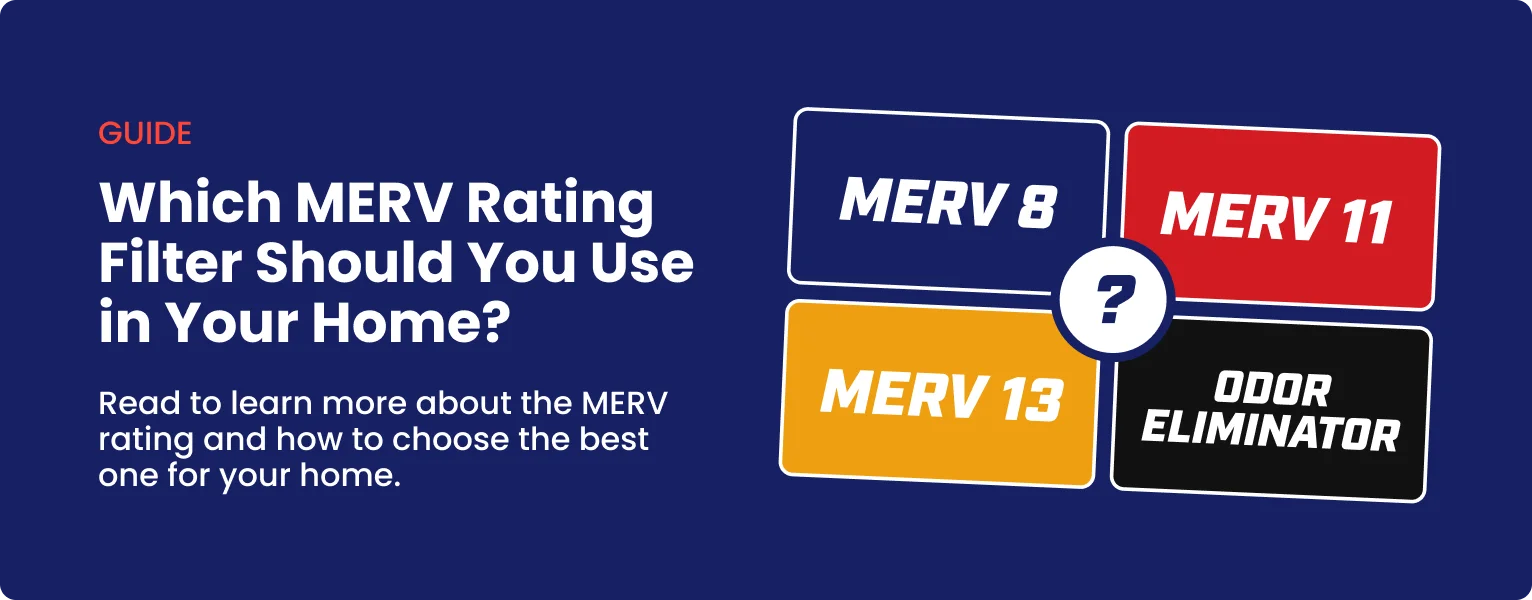
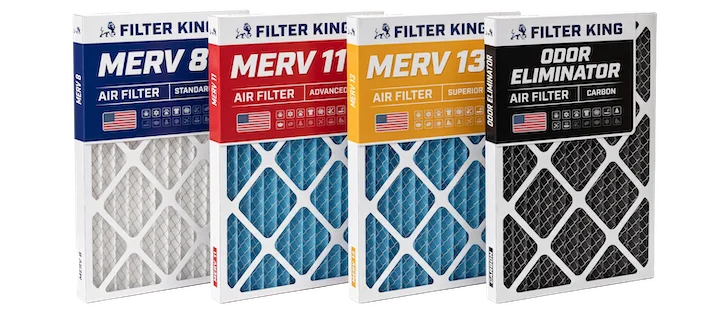
A MERV rating (Minimum Efficiency Reporting Value) describes how well an air filter captures particles in different size ranges. Higher MERV ratings capture smaller particles, but they can also be more restrictive to airflow depending on the filter and your HVAC system.
Most homes do well with MERV 8–11 for a balance of filtration and airflow. If allergies, asthma, smoke, or high dust are a concern, MERV 11–13 may help—if your system can handle it. If you’re unsure, check your HVAC manual or ask an HVAC professional before going above MERV 13.
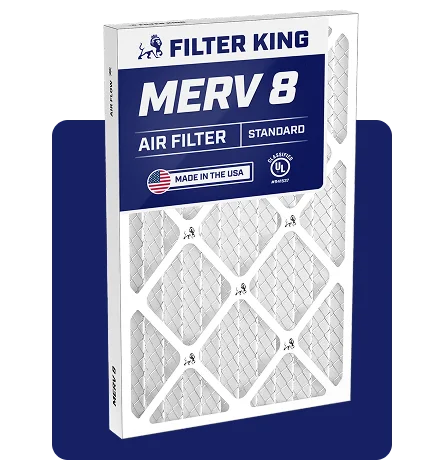
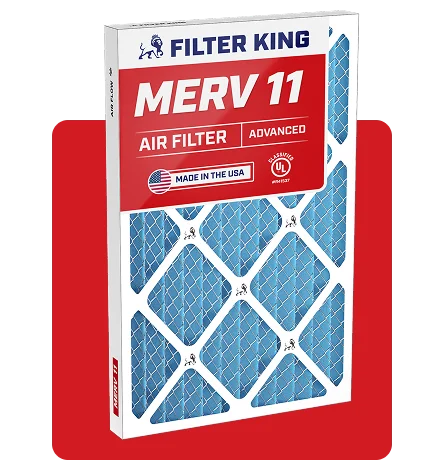
MERV 8 filters capture many common household particles like dust and pollen with less airflow resistance. MERV 11 filters capture finer particles (like smaller allergens and some smoke‑related particles) but can be slightly more restrictive. If you want better filtration and your system airflow is strong, MERV 11 is often a solid upgrade.
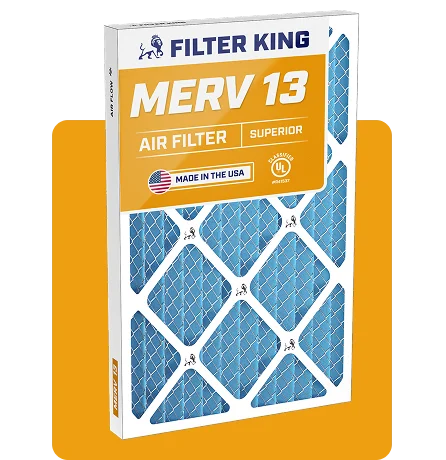
MERV 13 filters offers higher filtration and can capture finer particles than MERV 11, but it may restrict airflow more in some systems. Choose MERV 13 if air quality is the top priority and your HVAC can handle it; choose MERV 11 if you want strong filtration with a safer airflow balance for most residential systems.
Not always. Higher MERV can improve filtration, but it can also increase resistance (static pressure) and reduce airflow if the system isn’t designed for it. The best choice is the highest MERV your system can handle while maintaining good airflow and comfort.
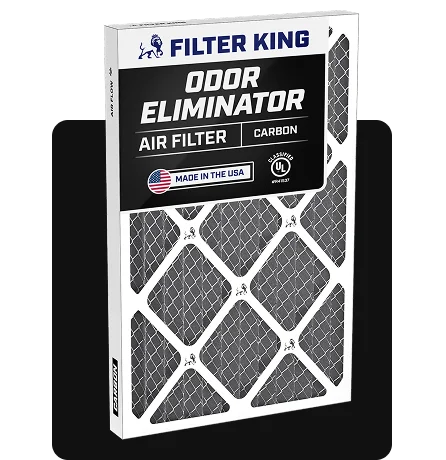
Odors are gases, and standard filters are designed mainly for particles. A carbon layer (like a carbon filter) can help reduce odors and smoke smells. If odors are a key issue, carbon filtration is often more effective than simply increasing MERV.
Common issues and troubleshooting
A filter can load up quickly if there’s high dust, pets, smoke, construction, wildfire smoke, or heavy HVAC runtime. It can also happen if air is bypassing the filter due to gaps, the return duct is pulling extra dust (like from an attic), or the system is moving a lot of air through a smaller filter. If a filter is getting dirty unusually fast, check for proper fit/seal and consider an HVAC inspection to rule out duct leaks or return-side contamination.
The arrow should point in the direction of airflow—toward the blower/furnace (into the equipment). If you’re installing behind a return grille, the arrow usually points away from the room and into the duct.
Orders, shipping, and returns (quick help)
Our full policy is on this page: https://filterking.com/shipping-and-returns. It covers shipping details, returns, exchanges, and other order‑related questions.
If an item arrives damaged or you received the wrong size/type, contact us at [email protected] as soon as possible with your order number and a quick photo of the issue. We’ll help confirm the problem and move to a replacement or resolution based on our policy.
Returns and exchanges are handled under our shipping and returns policy. For the most accurate steps and eligibility, use: https://filterking.com/shipping-and-returns.
Couldn't find the answer you were looking for?