


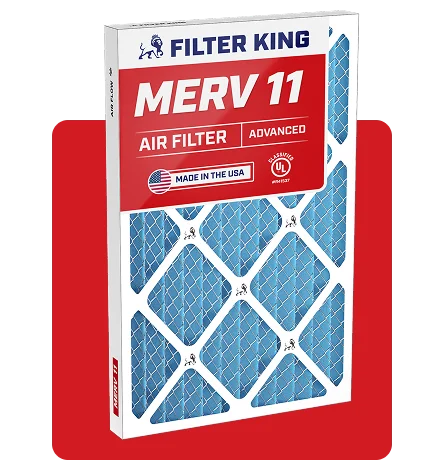
MERV 11 air filters
Advanced protection replacement filters for furnaces, central AC, and commercial HVAC systems.
Protects against:
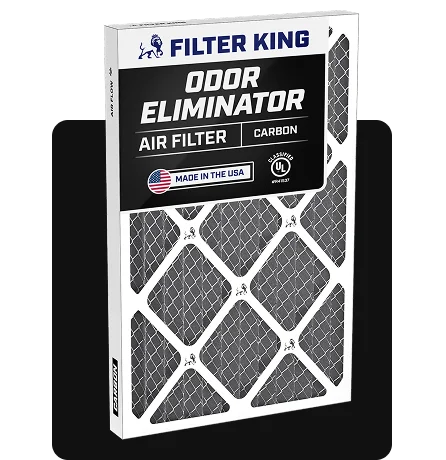
Advanced protection replacement filters for furnaces, central AC, and commercial HVAC systems.
Protects against:

Processed quickly, ships fast, free for all orders

Premium quality pleated filters in a rigid frame

Find your perfect fit with our complete size range

Compatible with all the major HVAC unit brands
MERV 11 air filters are a step up above MERV 8 filters, capturing even finer airborne particles and irritants. They are designed to capture particles between 1 and 3 microns, providing additional comfort and protection against:
If your system is not designed for higher-efficiency filters, stepping down to a MERV 8 or MERV 8 Carbon filter may be ideal. If you are seeking an even more efficient solution, MERV 13 filters may be right for you, depending on your household's activity, foot traffic, and current location with regard to the environment.
The MERV 11 air filters are designed for homes with allergies and in some cases, asthma. Those with respiratory illnesses or compromised immune systems may benefit from MERV 11 air filters. These filters are significantly more powerful than alternative MERV filters at capturing smaller particles, such as MERV 8.

The diagonal straps die-cut into the frame bond to each pleat tip, keeping them evenly spaced so the filter won't bow.
Traps up to 90% of everyday particles like dust mites, pollen, pet dander, and mold spores, while still letting air flow through freely.
Rated to capture up to 95% of common particles, MERV 11 media catches dust mites, pollen, pet dander, and mold spores, as well as fine dust and smoke.
Stops up to 98% of particles passing through, including dust mites, pollen, pet dander, and mold spores, as well as fine dust, smoke, and bacteria.
Traps up to 90% of everyday particles like dust mites, pollen, pet dander, and mold spores, while still letting air flow through freely.
An expanded wire grid bonds to the media, stopping the pleats from shifting or pulling away under airflow.
An expanded wire grid bonds to the media, stopping the pleats from shifting or pulling away under airflow.
An expanded wire grid bonds to the media, stopping the pleats from shifting or pulling away under airflow.
A layer of activated carbon absorbs odor molecules from cooking, pets, and chemical fumes – catching what the filter media alone can't.
The same heavy-duty, moisture-resistant beverage board on the exit side holds its shape and keeps a tight seal in your vent or wall slot.
An expanded wire grid bonds to the media, stopping the pleats from shifting or pulling away under airflow.


4.6 stars, 5243 reviews

4.5 stars, 4314 reviews
"I am a new customer and so happy I found Filter King. Their customer service is truly outstanding."
 Verified Buyer
"Easy to find sizes"
Verified Buyer
"These fit perfectly, it’s so nice to get a custom size."
Verified Buyer
"Great prices, good quality."
Verified Buyer
"When I accidently ordered the wrong size... I called & customer service fixed my error with correct size. Shipping was prompt!!! Very pleased with Filter King!! 😊"
Verified Buyer
"These are high quality filters and the price was fair."
Verified Buyer
"Excellent product"
Verified Buyer
"Looks good, fit well"
Verified Buyer
"Quick shipping I originally ordered the wrong size returning and exchange was very easy."
Verified Buyer
"Easy ordering, fast shipping, customer service that’s reachable. Highly recommend."
Verified Buyer
Filter King stocks MERV 11 filters for residential and light commercial HVAC systems in hundreds of standard dimensions, plus we can make virtually any custom size your system requires.
Every filter complies with ASHRAE specifications and features UL Classification #R41537, delivering superior filtration performance in your heating and cooling equipment.
Should your MERV 11 filters not suit your requirements, our 30-day money-back guarantee with hassle-free returns for all stocked sizes ensures you can purchase with total confidence.
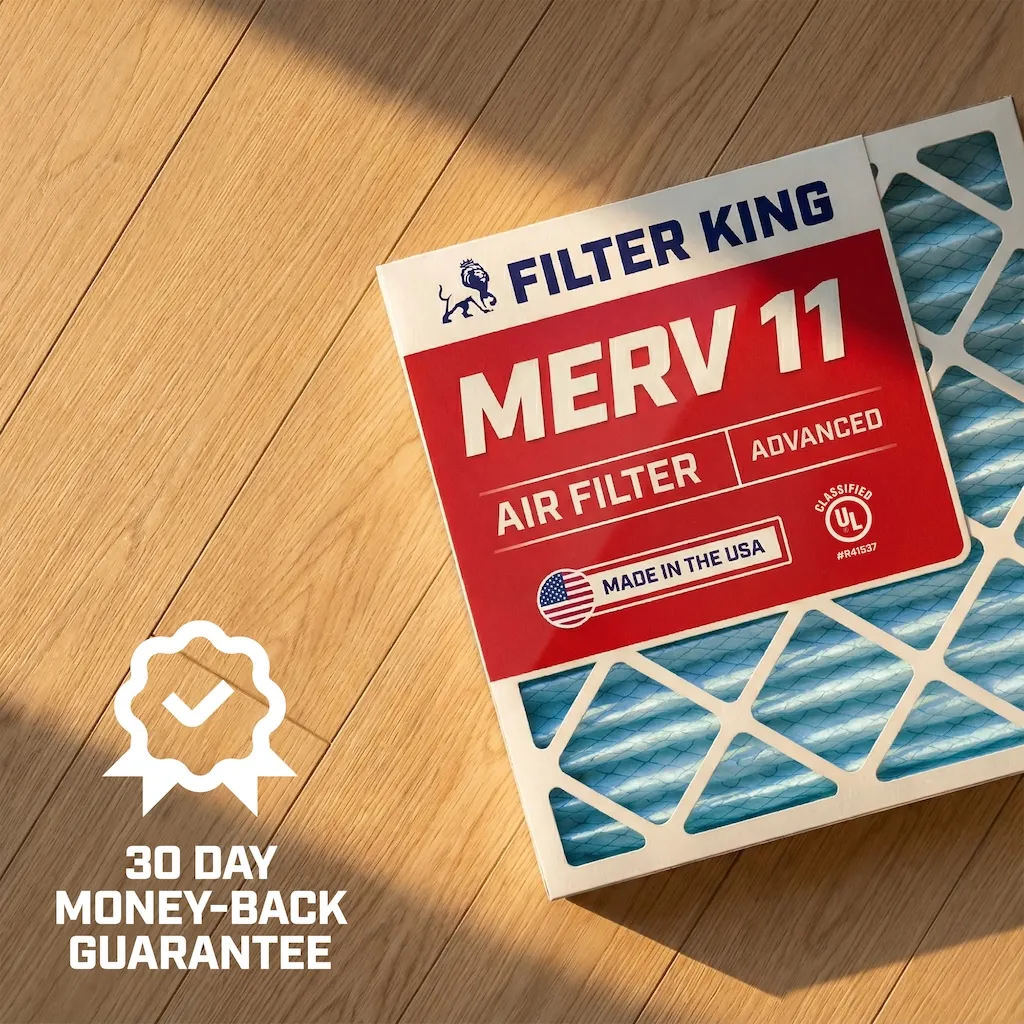
Check the label on your current filter or use a tape measure to get the exact length, width, and depth before selecting your size.
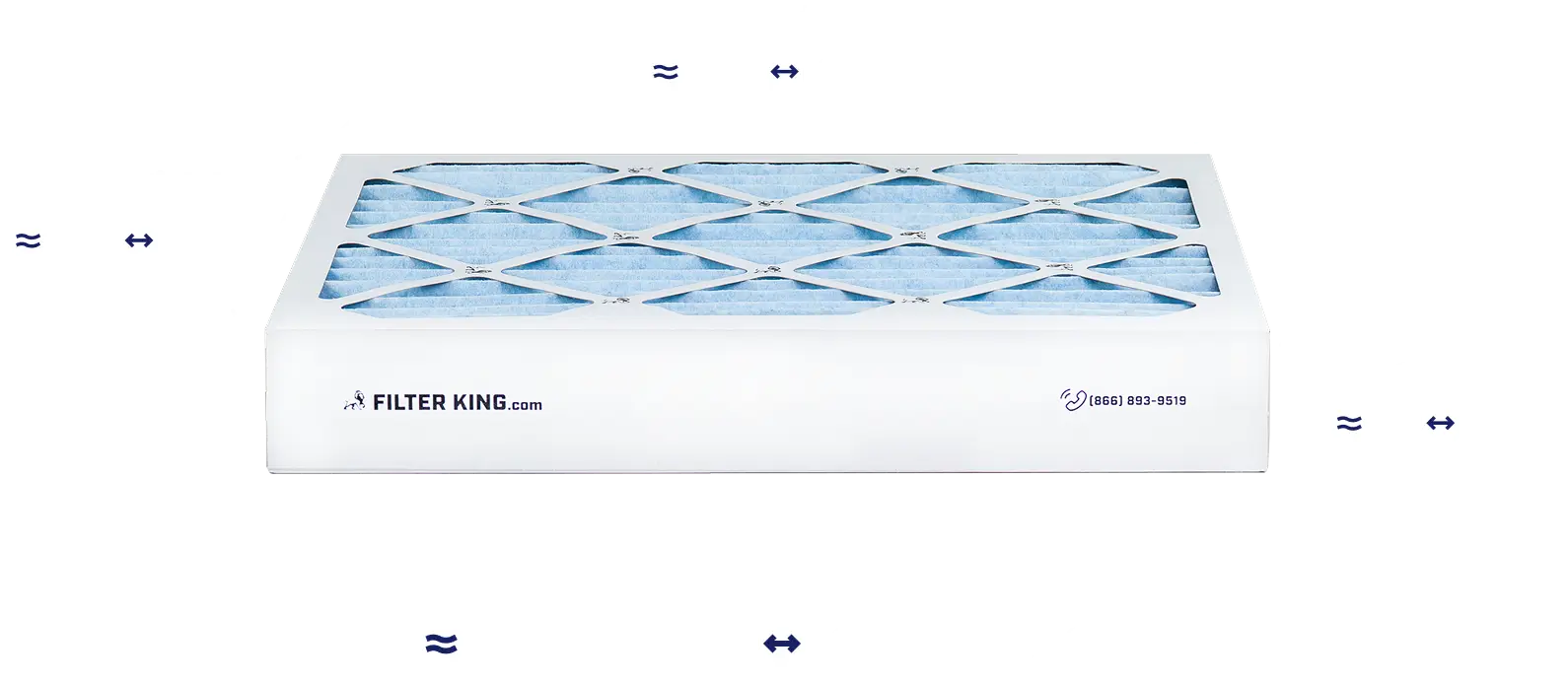
 Nominal size
Nominal size is what you normally see printed on the label. This is usually a rounded size which is often not the true size of your filter.
 Actual size
Actual size is the true size of the air filter, usually written in smaller font below the nominal size.
Measure your current air filter or the length, width, and depth of the opening slot to get the actual size. Round it up to the nearest whole inch to get the nominal size.
Never run out of a clean filter – and cancel anytime if your plans change
 Pay full price on every order
Need to remember to reorder every time you run out
Forget to reorder, and a dirty filter can drive up your energy bills.
Pay full price on every order
Need to remember to reorder every time you run out
Forget to reorder, and a dirty filter can drive up your energy bills.
 Get 5% off every order, automatically
New filters arrive right when you need them
Pause, skip, or cancel anytime – no commitment needed.
Get 5% off every order, automatically
New filters arrive right when you need them
Pause, skip, or cancel anytime – no commitment needed.
MERV 11 air filters are a step-up in performance and responsiveness to household health concerns. MERV 11 is often chosen for homes with pets, mild allergies, and those who have a general focus on their respiratory health in the home. MERV 11 captures more particles than MERV 8, especially the smaller particles that are linked to allergies and respiratory concerns.
MERV 11 air filters have denser pleated media and increased surface area, targeting finer dust, airborne particles, pet dander, and other materials that slip past lower-rated filters. These upgrades provide meaningful health benefits while simultaneously maintaining airflow in most residential HVAC systems.
With denser pleated media and extended surface area, you can capture irritants before they make their way into your air ducts. However, it's important to note that with better performance and slightly higher system demands, you'll need to understand intentional maintenance routines and when to replace your filters on a schedule. Understanding MERV 11 filter performance, how MERV 11 works, and MERV 11 benefits can help you better tend to your HVAC system routinely to prevent clogging or damage to your system.
MERV 11 filters differ from MERV 8 filters, capturing particles down to approximately 1 micron in size that are associated with allergies (such as dust mite droppings, pet dander, and certain types of pollen). MERV 11 media is denser than MERV 8 media, which means:
In real homes, the difference in media density translates into cleaner breathing environments. MERV 11 filters capture a much wider range of allergen-related particles that are notorious for triggering seasonal and year-round allergy symptoms. For households with pets, this matters even more. MERV 11 for pet dander reduces the lightweight, microscopic particles that come from skin flakes and fur—which can easily linger in the air and settle into ductwork if not captured regularly. While media thickness and filters will not eliminate allergies on its own, it helps remove significant triggers.
Filter thickness also becomes relevant at this level of filtration. MERV 11 1-inch air filters perform well, while 2-inch filters extend the usable lifespan even further, especially in homes with heavier allergen loads. The thicker media provides additional surface area, which delays clogging while maintaining airflow stability. Most HVAC systems, especially newer ones, are designed to handle MERV 11 filters without difficulty. Older systems, however, may experience reduced airflow or increased energy demand if they're not properly assessed.
Understanding MERV 11 filtration benefits and MERV 11 particle capture abilities is crucial as a homeowner selecting filtration solutions. Whether you're seeking MERV 11 for pet dander or for a 1 micron filter in your home, it's important to verify that the filter you're interested in is compatible with the system you have in your home.
MERV 11's enhanced performance depends on your HVAC system being compatible. While most modern systems handle MERV 11 without an issue, older ones may require inspection and further verification. Let's ensure your system can deliver on MERV 11's promises without causing unnecessary strain to your HVAC setup and/or ductwork throughout the home.
A MERV 11 filter delivers stronger indoor air quality protection over MERV 8 filters, but also places slighting higher demands on your HVAC system. For most modern homes and systems, MERV 11 is well within acceptable operating limits. However, it's important to verify this before installing a new filter to prevent early clogging or strenuous output from your system itself. As opposed to MERV 8, MERV 11 filters airflow restriction is noticeable, although it is not typically problematic. To verify that your system is compatible with MERV 11 filters, complete the following steps:
Systems where MERV 11 works well:
Systems where MERV 11 might create issues include:
Noticing system strain and understanding signs of issues is key as a homeowner.
Common signs of system strain include:
It's important to note that MERV 11 requires accepting slightly slower airflow in exchange for better filtration. If you're upgrading to MERV 11, you'll want to keep this in mind, so you better understand how your system is working with a new filter in place.
A proper fit prevents bypass gaps and ensures airflow is proper without causing additional strain to your system. If your system is older or unique, and you're unsure of its compatibility, consider the location of your filter (return air vs. furnace level), while conducting a professional ductwork assessment. This will provide the insight necessary to determine if MERV 11 filters are the right choice for your home.
When systems are compatible with MERV 11 air filters, performance usually improves noticeably. However, sometimes issues arise that aren't obvious at first. Because MERV 11 is working harder to filter particles, it will clog faster in high-particle homes. Understanding common MERV 11 HVAC compatibility issues helps maintain peak performance while maximizing health benefits in the home. Anytime you're wondering will MERV 11 work with my furnace, checking MERV 11 system requirements and understanding MERV 11 airflow is critical for the best results.
Dealing with a drop in performance after installing a new MERV 11 filter can feel disheartening. However, it's important to understand all aspects of a filter's performance before giving up. When performance drops, noting the exact cause is essential to find a solution that works in your home. When you understand the most common MERV 11 problems, you can correct performance so your system works as intended.
Issue 1: Allergies not improving despite switching to MERV 11
One of the most frequent causes of issues with MERV 11 filters includes installation or sizing problems. If a MERV 11 filter is slightly undersized, air slips around the edges (rather than flowing directly through the pleated media). These bypass gaps can cause you to feel as if your filter is ineffective, even if the filter is working properly on its own.
A second possibility is system incompatibility. If your system struggles with airflow restriction, it may fail to circulate the filtered air to make a difference, leading to MERV 11 not working symptoms. Finally, allergy triggers may be entering your home faster than your filter can keep up with and handle, especially in homes with open windows, multiple pets, or humidity that stirs up surrounding dust.
Solution:
It's essential to verify the sizing of your filter and to inspect your airflow coming from your return air handlers and vents to ensure you have the right filter in place.
Issue 2: HVAC system is struggling (longer run time, strange noises, higher energy bills)
If your furnace or AC system seems stressed after upgrading to MERV 11 air filters, the cause may be due to your filter clogging too fast due to a heavier particle load than expected. Homes that are prone to dust, have multiple pets, or are close to wildfires and/or construction zones can overload the filter much faster than intended. Another possibility is that your system may be older or outdated. Finding the right MERV filters is essential.
Diagnostics include:
If problems appear immediately, your system may not be compatible with MERV 11 filters. You may consider reverting to MERV 8 filters with more frequent replacements if this is the case.
If issues develop gradually, this is often due to normal clogging. You may need to adjust your replacement schedule to adjust your needs.
Issue 3: Filter is clogging very quickly
If your system supports it, consider using MERV 11 with thicker media (2-inch) for longer replacement intervals. If using a thicker media is not an option, consider replacing filters more frequently to ensure better filtration.
Issue 4: You're still seeing dust or pet dander on surfaces
MERV 11 captures what air passes through, but doesn't help with settled dust. This may indicate an airflow distribution issue (some areas are not getting filtered air), or household dust generation is exceeding the filter's capacity. Persistent surface dust might mean certain areas aren't receiving adequate filtered airflow or that dust is generating faster than the filter can capture it.
Solution:
Increasing the replacement frequency of your filters, or improving source control–increasing pet grooming appointments, vacuuming more, or even installing room air purifiers and filters to help capture additional allergens and dust.
Visual inspection guide:
A healthy MERV 11 filter will demonstrate light discoloration with evenly distributed dust. An overdue filter will look dark gray or brown in appearance, with visible buildup across the pleats or patches of matted debris.
When to call a professional?
If you notice airflow imbalance, signs of ductwork restriction, or worsening noises, it may be time to call a professional. An HVAC technician can help assess whether your system's design or duct sizing is limiting the performance of your MERV 11 filters. A technician can help with MERV 11 problems and MERV 11 troubleshooting, whether your MERV 11 is clogging too fast or if allergies are not improving due to filter issues.
MERV 11 performance varies by season, especially for allergy sufferers. Pollen season increases the particle load your filter handles, while winter heating might change your air circulation patterns. This is why it is so important to monitor your filter's capture rate and replacement cycle needs. Understanding how to adapt your MERV 11 strategy seasonally ensures consistent and persistent benefits year-round, especially when allergies matter most.
Because MERV 11 filters are designed to capture smaller, allergen-prone particles, seasonal strategy matters more here than with basic filtration options. Homes that rely on MERV 11 may notice greater benefits, and major performance shifts, especially during specific times of the year. Understanding how seasonal allergies, MERV 11, and weather patterns interact can help you get the best results from your filtration choice.
Spring: Peak pollen season
This is where MERV 11 pollen season performance truly shines and stands out. Spring ushers in elevated pollen counts, and MERV 11's ability to capture particles in the 1–3 micron range directly targets common tree and grass pollen sizes. The tradeoff for this capture is faster clogging, as outdoor pollen rapidly loads the filter.
Recommendations:
Allergy relief is one of the biggest appeals of MERV 11 filters.
Summer: Cooling season + potential mold
Mold spores significantly increase when there is humidity in the air. MERV 11 filters capture most common household mols. If your AC is running constantly (increasing airflow), filters are more likely to clog at a faster rate. Replacement frequencies may return to normal (2-3 month intervals), if humidity in the home is properly controlled. If the home is more humid than usual, you may consider humidity control measures alongside your MERV 11 filter.
Fall: Leaf season + pet shedding peak
During the fall, pets are more likely to shed their fur from previous seasons. If you have multiple pets in the home, the filter load will increase significantly. Outdoor air entry, such as leaves and dusts, will increase if windows are left open during this time period. Your replacement scheduling may require shortening if heavy pet shedding is occurring in your household. The fall is the perfect time to prepare for winter in advance.
Winter: Heating season, indoor air recirculation
Heating systems that run constantly are more likely to clog and require replacements sooner. Ensure your filter handles continuous airflow. Dry air also increases dust circulation, which is somewhat offset by MERV 11 capture. Allergy relief continues, with less outdoor allergens in the winter, so MERV 11 filters will focus on indoor triggers. In the winter, replacement frequencies stabilize in most instances.
Regional variations
Pollen calendars will differ by geography—allergy patterns will differ by household. Track your filter's conditions during each season and note when they begin to appear dark. Adjust your replacement schedule accordingly.
High-allergy seasons justify a MERV 11 investment, especially in homes with compatible systems.
While MERV 11 is excellent at particle capture, it's important to understand its limits. The filters capture what the air passes through, but your home's overall air quality depends on other factors too. Tackling source control can help with MERV 11 pollen season or for those seeking MERV 11 allergy relief in the home. Handling seasonal allergies MERV 11 is possible with the right pet dander filter and timing schedule in place. Knowing what MERV 11 does and doesn't do helps you build a complete strategy that delivers the health benefits you're looking for.
MERV 11 is an excellent choice for homeowners who are attempting to improve their home's IAQ, or Indoor Air Quality. MERV 11 filters capture allergens such as pollen, dust mites, pet dander, mold spores, and even some bacteria (down to ~1 micron). However, it's important to understand that MERV 11 filters will not capture ultrafine particles below 1 micron, viruses, gases, and certain odors. While MERV 11 filters are strong and capture plenty of particles, it is not the only solution necessary to completely manage potential VOCs, or Volatile Organic Compounds throughout the home.
Here are some complementary strategies for managing indoor air quality in allergy-focused homes:
Source control (allergen-specific)
Manage pet dander by increasing grooming frequency and designating pet-free sleeping areas in the home. Tackle dust mite control with regular bedding washing, reducing clutter, and vacuuming regularly. Limit pollen entry into the home by using doormats, window screens, and requiring shoes to come off immediately in or outside the home.
Ventilation strategy
Fresh air exchange also reduces indoor pollutants, even when introducing new allergens from the outdoors. A controlled balance of ventilation when pollen counts are low and filtration when counts are high is essential. Surprisingly, MERV 11 works better with some fresh air movement than in sealed homes where dust endlessly circulates.
Humidity control
Humidity also plays a pivotal role in mold and humidity control (along with dust mite survival). Keeping indoor humidity below 50% discourages the growth of mold and dust mite populations (allowing your filter to work more efficiently).
Localized solutions
Localized solutions in the home include using bedroom air purifiers that are designed to remove particles from breathing zones while improving sleep quality. HEPA vacuums prevent vacuumed dust from reentering the air. Room-specific purifiers can provide targeted relief for severe allergy sufferers.
Consulting professionals
Working with a professional may be helpful and add value when undergoing an HVAC ductwork assessment, especially if you're not experiencing allergy relief with your MERV 11 filter. Humidity testing can help determine if water vapor is contributing to mold and/or mites in the home. Air quality testing can help you better understand your home's baseline before selecting and installing a new filter.
Health factors beyond air quality that will be improved with the right filter include sleep quality (improved by cleaner air), respiratory function (with a lower allergen load), and consistent filter replacement and maintenance, all matter. While MERV 11 filters help with mold and humidity control, and dust mite control, they're not the only components necessary to consider when improving your home's IAQ, or Indoor Air Quality.
If you're looking for indoor air quality allergies solutions, MERV 11 is an excellent choice. With complementary strategies, you can experience significant improvement from dealing with mold, mildew, mites, and allergens.
Not completely. However, the filters can significantly reduce common triggers. MERV 11 captures many airborne particles and allergens such as pet dander, pollen, mold spores, and dust mite debris. However, it's important to combine complementary source control activities with your filter to truly minimize potential allergens from making their way into your home.
Most homes with pets should replace a MERV 11 air filter every 6–8 weeks. However, if you have multiple pets in the home or if you're experiencing excessive shedding, a replacement once every 4–6 weeks may be necessary.
It depends on your existing system. Many older systems can use MERV 11 without issues, but some struggle with the increased airflow resistance. Warning signs of incompatibility include temperature inconsistencies, longer furnace run times, and strange noises coming from your furnace.
Yes. This is a common and often effective strategy, especially if you understand your system's needs and household demands. When pollen and dust are at their worst, using MERV 11 is best. A MERV 8 filter during the winter can work as outdoor allergens dissipate and the airflow demands increase.
MERV 11 provides strong filtration for many asthma-related triggers, especially from pollen, pet dander, and dust. However, for capture of even finer particles, MERV 13 filters may be a better option (if your system is built for high efficiency). Using MERV 11 filters alongside room purifiers can be an excellent solution as well.
There are a few possible reasons, such as the filter is not fitting tightly, allowing air to bypass the media. Your system may be struggling with restricted airflow, reducing overall air movement. Your filter may be clogging faster than expected in homes with pets, shedding, dust, and pollen. Dust may already be settled on surfaces that have yet to be removed by a previous HVAC filter. Always check for proper sizing and inspect your filter for early clogging to monitor your system's performance year-round.

 MERV 8 filters