MERV 8 Carbon
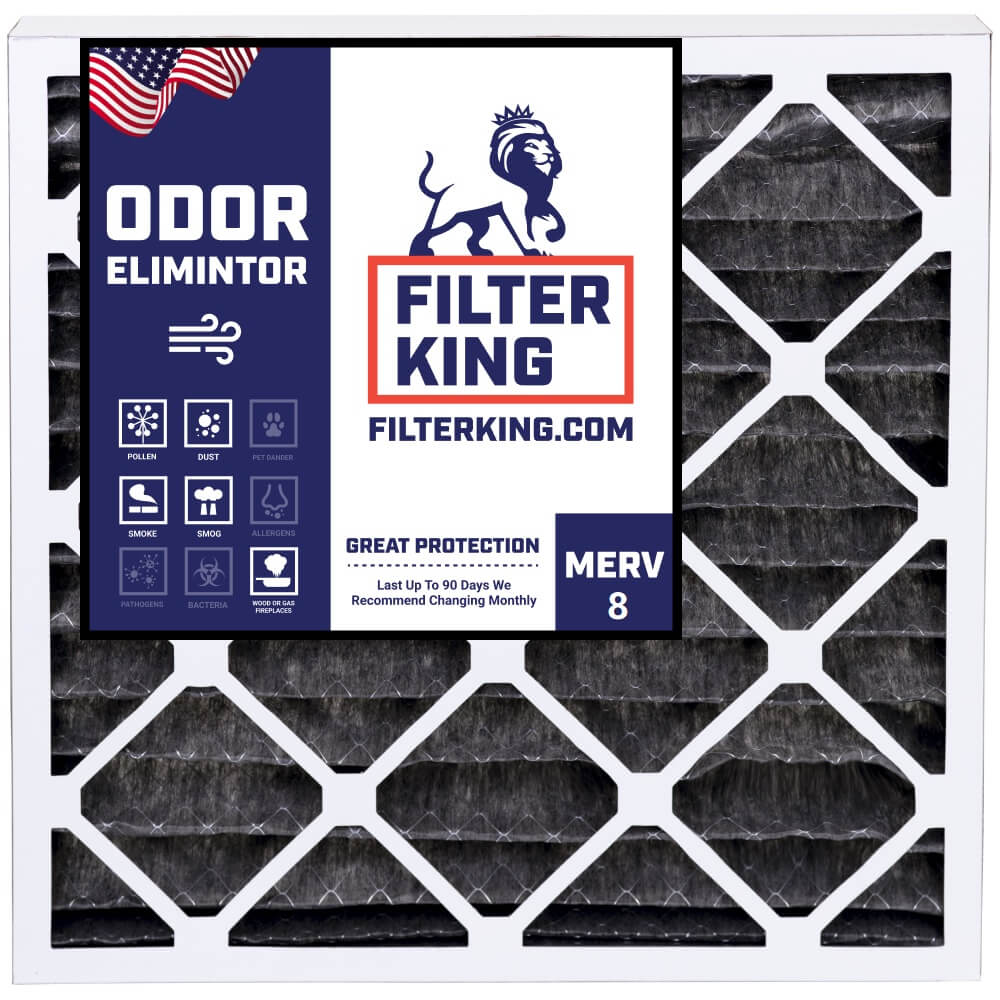
MERV 8 Carbon Air Filters
MERV 8 Carbon, also known as odor eliminator, is effective at controlling dust, pollen, dust mites, pet dander, smoke, and odors.
The MERV 8 Carbon general-purpose pleated air filters capture 90% of common particles measuring 3 microns or larger.They are applicable in most commercial buildings, residences, industrial workplaces, paint booths, and residences with superior HVAC systems.
WHAT CARBON AIR FILTER DO YOU NEED?
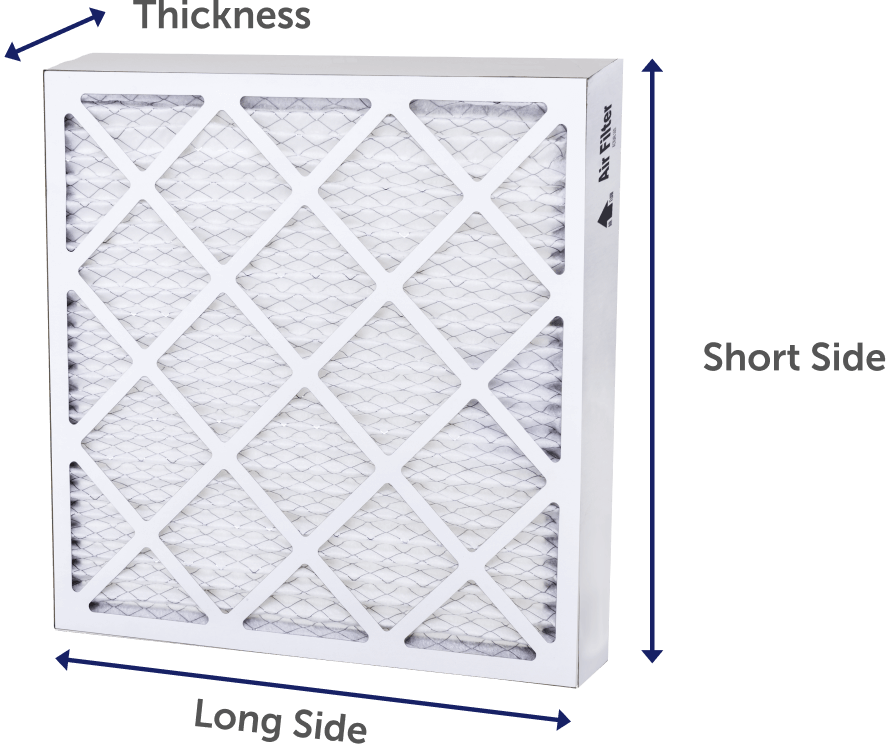
So what does MERV 8 Carbon protect against?
In short, MERV 8 Carbon blocks particles measuring 3 microns or larger.
These includes:
- Dust
- Pollen
- Dust mites
- Bacteria
- Pet Dander (unless you have more than one pet)
- Cigarette smoke
If you’re looking for the best protection against smog, and general allergens, MERV 11 is the best option. If germs, mold spores, or even wood-burning fireplaces are a concern, MERV 13 is the way to go.
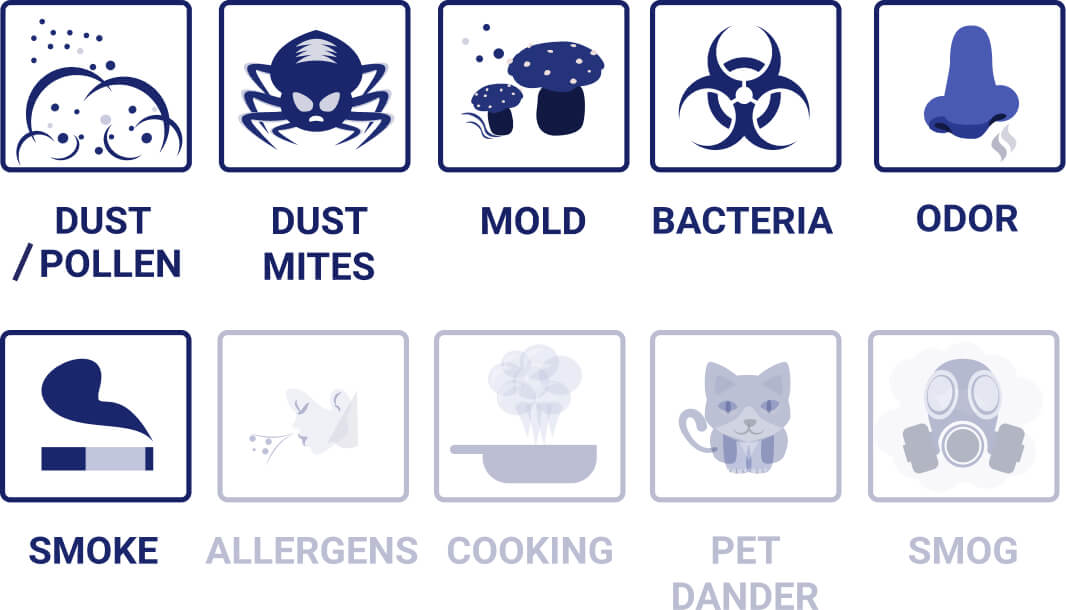
Available Air Filter Sizes and Types
- 6x14x1
- 6x30x1
- 8 Inches
- 8x8x1
- 8x14x1
- 8x24x1
- 8x30x1
- 9 Inches
- 9.5x9.5x1
- 10 Inches
- 10x10x1
- 10x20x1
- 10x24x1
- 10x30x1
- 10x36x1
- 11 Inches
- 11.5x11.5x1
- 12 Inches
- 12x12x1
- 12x14x1
- 12x18x1
- 12x20x1
- 12x24x1
- 12x30x1
- 12x36x1
- 13 Inches
- 13x20x1
- 13x21x1
- 13x21.5x1
- 13x25x1
- 13.5x13.5x1
- 13.5x23.5x1
- 13.5x29.5x1
- 14 Inches
- 14x14x1
- 14x18x1
- 14x20x1
- 14x24x1
- 14x25x1
- 14x30x1
- 15 Inches
- 15x15x1
- 15x20x1
- 15x24x1
- 15.5x19.5x1
- 16 Inches
- 16x16x1
- 16x18x1
- 16x19x1
- 16x20x1
- 16x21x1
- 16x22x1
- 16x24x1
- 16x25x1
- 16x30x1
- 17 Inches
- 17x17x1
- 17x20x1
- 17x21x1
- 17x22x1
- 17.5x17.5x1
- 17.5x20x1
- 17.5x21x1
- 17.5x22x1
- 17.5x29.5x1
- 18 Inches
- 18x18x1
- 18x20x1
- 18x22x1
- 18x24x1
- 18x25x1
- 18x30x1
- 18x36x1
- 19 Inches
- 19x19x1
- 19x20x1
- 19x21x1
- 19x22x1
- 19x23x1
- 19x25x1
- 19.5x19.5x1
- 19.5x23.5x1
- 19.5x29.5x1
- 20 Inches
- 20x21x1
- 20x22x1
- 20x23x1
- 20x24x1
- 20x25x1
- 20x30x1
- 20x32x1
- 20x36x1
- 20x40x1
- 21 Inches
- 21x21x1
- 21x22x1
- 21x23x1
- 21x24x1
- 21.5x23.25x1
- 22 Inches
- 22x22x1
- 22x24x1
- 23 Inches
- 23x20x1
- 23x23x1
- 23.5x23.5x1
- 23.5x29.5x1
- 24 Inches
- 24x24x1
- 24x30x1
- 24x36x1
- 25 Inches
- 25x25x1
- 25x30x1
- 25x32x1
- 28 Inches
- 28x30x1
- 30 Inches
- 30x30x1
MERV Comparison
Scroll right to see more
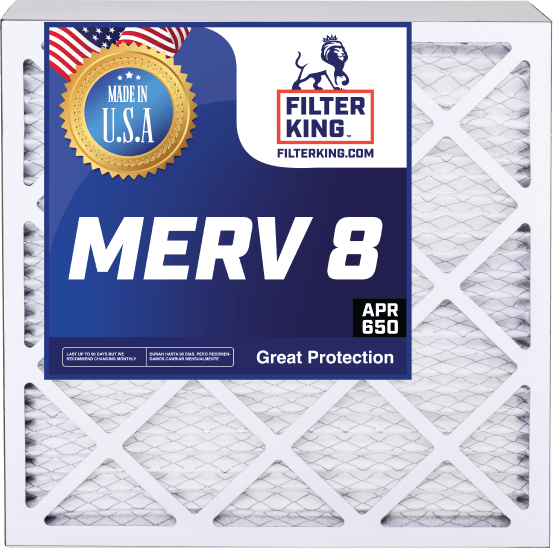
MERV 8
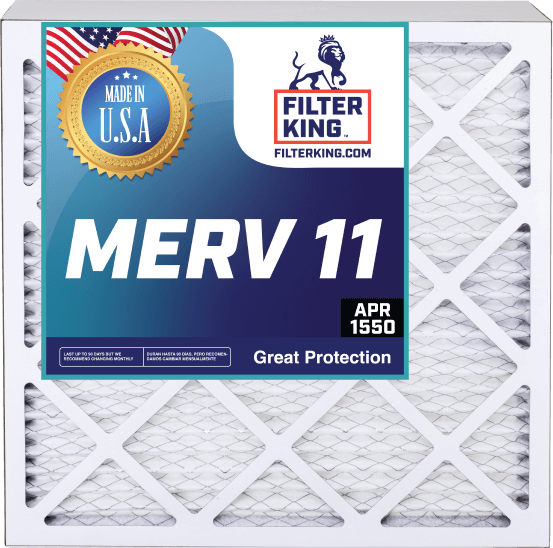
MERV 11
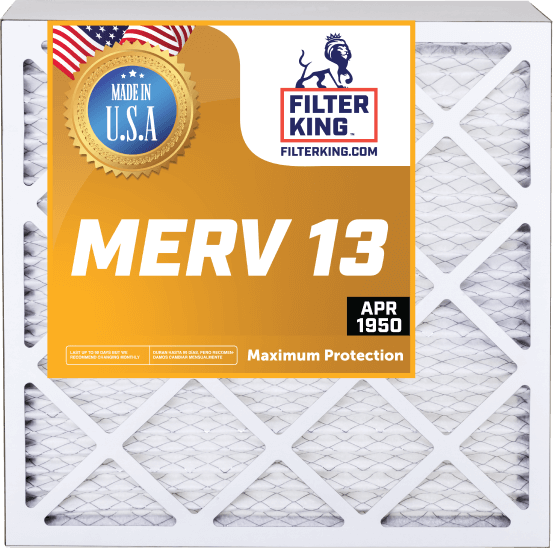
MERV 13

MERV 8 Carbon
Who Is the Carbon Best For?
MERV 8 filters are best if you're looking for standard protection in typical residential environments. They effectively handle common household particles like dust, lint, pollen, and mold spores.
Carbon filters offer the same solid particle protection as regular MERV 8 filters but with an added odor control layer. Thanks to their activated carbon layer, they’re ideal for homes with pets, smokers, or mild cooking odors—anywhere you want to reduce unwanted smells without upgrading to a higher filtration level.
If you're looking for the best protection against cigarette smoke, smog, and general allergens, MERV 11 is the better option. And if germs, mold spores, or even wood-burning fireplaces are a concern, go with MERV 13 for maximum efficiency and air purity.
Ready to choose the right filter for your needs? Browse all filter sizes here.
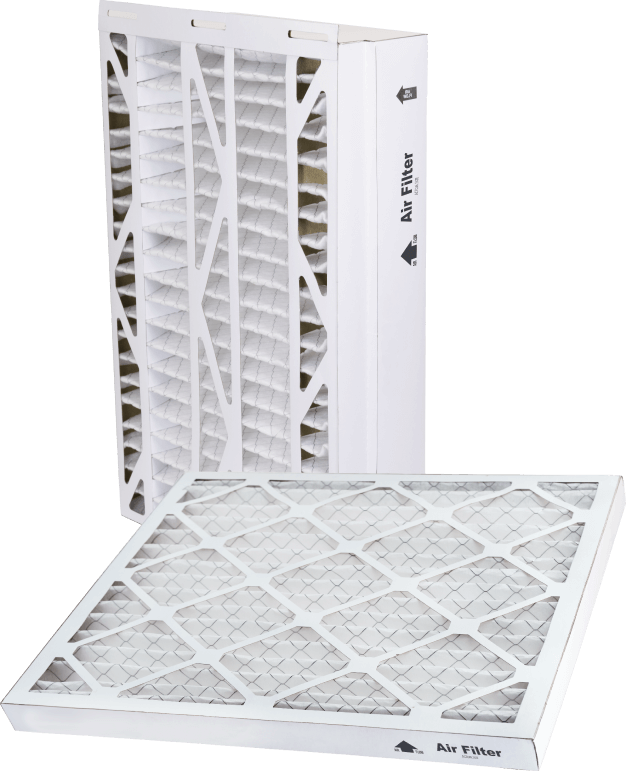
MERV 8 Carbon air filters for pet odors, cooking smells, and smoke
With MERV 8 Carbon air filters, odor molecules are captured through adsorption, not filtration. This means the carbon gradually fills up with use. As a result, odor elimination filters typically require more frequent replacements than standard MERV 8 filters. With proper sizing and ongoing maintenance, MERV 8 Carbon offers reliable protection and a noticeable improvement in indoor freshness—especially in odor-prone homes.
Let's break down how MERV 8 Carbon air filters work, whether your system is compatible, what issues to watch for, and how you can go about optimizing performance in your home.
How MERV 8 Carbon works: Particle filtration plus odor absorption
MERV 8 Carbon filters offer two layers of protection—particle capture plus odor absorption. The pleated MERV 8 media function exactly as MERV 8 filters. It captures common household particles, such as basic airborne debris, pet dander, dust, and pollen. Because the pleated design increases surface area, it also allows for good airflow while avoiding the restrictive feel of higher-MERV solutions. For most HVAC systems in residential homes, MERV 8 filters work well. Under normal conditions, the particle-filtration portion of the filter will last between 2–3 months before clogging begins to occur.
The second layer of the MERV 8 Carbon filter contains activated carbon, which is treated to form millions of microscopic pores. These pores create an internal surface area that allows the carbon to absorb odor molecules chemically, rather than filtering them out manually. This is what makes the filter an effective odor-absorbing filter.
The carbon layer captures:
- Pet odors
- Cooking smells
- Smoke odors (including outdoor wildfire smoke in some instances)
- Some VOCs, or Volatile Organic Compounds from cleaning products and household materials
MERV 8 Carbon filters do not capture viruses and some additional gases that may be present in the home.
With carbon saturation, particles clog filters by accumulating and blocking airflow. Odors fill carbon pores chemically. When it comes to saturation timelines, you'll notice shorter replacement intervals are needed in odor-heavy households or homes where smoking is present. Once the pleated material becomes too saturated, carbon can no longer absorb additional odors (even if the filter appears clean).
To work properly, the carbon must sit directly in the airflow path. Airflow arrows should be facing toward the blower motor. Any bypass around the filter reduces odor absorption dramatically. MERV 8 Carbon filters excel in kitchens, smoking households and pet areas, but lose performance if your HVAC system has airflow inconsistencies.
Comparisons of MERV 8 Carbon vs. MERV 8 and MERV 13:
- Standard MERV 8 filters: Better for particle-focused homes without odor concerns
- MERV 8 Carbon filters: Ideal for households needing both particle control and fresher-smelling air
Why not MERV 13 or MERV 11? While higher MERV captures finer particles, without the carbon layer they will not be as efficient at controlling and containing odors.
MERV 8 Carbon's dual function—particles plus odors—makes it valuable for specific households. But the carbon layer affects how your system handles the filter. The airflow impact is similar to standard MERV 8 (not restrictive), but the bulk of the carbon adds consideration. Let's verify your system is compatible with MERV 8 Carbon's unique characteristics.
Is your system ready for MERV 8 Carbon? Compatibility and placement considerations
MERV 8 and MERV 8 Carbon are similar in not being restrictive with traditional HVAC systems. Most systems can handle MERV 8 Carbon air filters without issue. However, there will be a slight additional resistance from the carbon layer, but it's not problematic.
Any system that handles standard MERV 8 filters can handle MERV 8 Carbon. No special requirements are necessary beyond typical MERV 8 guidelines. Also, MERV 8 Carbon works well with both older and newer systems.
Placement of MERV 8 Carbon becomes relevant when seeking a solution for:
- Whole-home filtration: MERV Carbon 8 works if the filter is in a central return air location (main HVAC filter location).
- Kitchen odors: Return air ducts must be located near the kitchen to capture unwanted odors, preventing them from spreading through the house.
- Pet odors: Whole-home filters help, but a localized air purifier may help with effectiveness.
Systems where MERV 8 Carbon works well:
- Any standard forced-air system
- Systems with adequate return air ductwork
- Systems with proper airflow velocity
When placement of your MERV 8 Carbon air filter matters most:
- Open-concept homes: Where central filters reach most of the areas
- Multi-story homes: Upper floors may not get filtered air as efficiently
- Homes with closed doors: Filtered air is limited to certain rooms
- Pet rooms or kitchens away from main return: Odor removal is less effective
Installation considerations to keep in mind:
- Standard MERV 8 slot required (carbon will add bulkiness to the filter slot, which is why verifying the fit is crucial)
- Airflow direction arrow: Critical, even with an activated carbon layer. Always ensure the airflow arrow is facing toward the blower motor, not against it.
- Seal: Gaps bypass both particle and odor filtration.
Why sizing is critical with MERV 8 Carbon filters:
MERV 8 Carbon is available in standard sizes. Custom size filters are also available for MERV 8 with FilterKing. Undersized or oversized filters don't work as effectively. It's essential to verify sizing before ordering your next filter.
When MERV 8 Carbon isn't sufficient:
If your home has extreme odor sources, such as multiple pets in confined spaces, a commercial-grade kitchen, or heavy smoking.
You should also keep humidity in mind when selecting air filters for the home. Carbon effectiveness is reduced in very high humidity environments (water competes for pores in the filter). The ideal humidity in the home should be under 60% for optimal carbon performance. In very humid homes, replacement frequency may shorten.
MERV 8 Carbon's simplicity is its strength—it works like standard MERV 8 in your system. But the dual function (particles plus odors) may sometimes lead to unexpected issues when odor problems persist or carbon clogs unexpectedly. Understanding these issues helps you maintain the odor-elimination benefit you paid for and catch problems early.
MERV 8 Carbon issues: When odor elimination stops and how to fix it
Issue 1: Odor smell is back despite new MERV 8 Carbon filter
The most common cause of this issue is that the carbon is already saturated (it may smell clean, but the carbon layer is "full"). The saturation timeline depends on odor source intensity. For example:
- Heavy cooking/smoking: 4–6 weeks
- Moderate pet odors: 6–8 weeks
- Light odor situations: 8–12 weeks
Solution: Replace your filter more frequently than standard MERV 8 filters. You can determine your replacement interval by determining how long your existing filter has lasted before the odors returned.
Issue 2: Still detecting odor in certain rooms despite MERV 8 Carbon
This may be a placement issue (a central filter may not reach all areas throughout the home). Your kitchen odors are still lingering if your whole-home filter is currently insufficient. If you have a pet room with a closed door, filtered air may be limited to that room.
Solutions include:
- Adding localized air purifiers with carbon in problem areas
- Consider more frequent replacements (this may help slightly but doesn't solve the placement issue)
- Open doors to allow filtered air circulation into the affected room(s)
- Accept that a whole-home filter cannot eliminate localized odors and that you may require a targeted solution
Issue 3: Filter clogging too fast (appears dark/dirty much sooner than expected)
This can be due to a high particle load (which also come with standard MERV 8 filters, not carbon-related). This issue can also be due to carbon particles shedding from the use of a poor-quality filter. If the odor removal is working well, you may be dealing with fast particle accumulation. If particles are filling your filter before carbon saturates, the particle load is simply higher than average.
Solution: Identify particle source and address, or accept frequent replacement intervals.
Issue 4: No improvement in odors, but particle filtration seems normal
This indicates carbon is not working (not that it's saturated, but ineffective). The possible causes of this issue include:
- Your filter is the wrong size (allowing for bypass gaps which carry odor around the air filter)
- Carbon quality is poor (such as using an inferior product)
- The odor source is too extreme for the carbon capacity (such as commercial-grade cooking kitchens or extreme smoking in the home)
Solution: Verify the sizing of your filter to ensure the MERV 8 Carbon filter you're using is adequate. Trying a different brand or accepting the need for additional carbon purifiers may be necessary.
Issue 5: HVAC system struggling (noise, reduced airflow) after switching for MERV 8 Carbon
The carbon layer of your filter shouldn't create this in most systems. If this is happening, it may be due to the wrong sized filter, carbon-shedding particles (clogging your system), or coincidental system problems elsewhere.
Solution: Verify the filter fit, check for carbon particle escapes, and consider MERV 8 filters as a baseline.
Issue 6: Cost-effectiveness question
MERV 8 Carbon does cost more upfront compared to standard MERV 8 filters and will require more frequent replacements. Homeowners may wonder if the investment is justified. The answer will depend on your household's odor situation and your intended goal with your new filter. If you have consistent cooking smells, pet odors, and even mild smoke odors in the home, upgrading to MERV 8 Carbon is highly recommended. Compare monthly costs of MERV 8 filters versus a better solution for a particular or specific odor source before settling on your decision.
Visual inspection for MERV 8 Carbon:
Carbon layers will change the overall appearance of your filter. It's not always easy to conduct a visual assessment of Carbon 8 filters, as a smell test is a real indicator of how well the filter is working. The particle layer should look similar to standard MERV 8 (white/light gray=clean, dark gray/black = full).
MERV 8 Carbon seasonal timing: When odor control needs peak
Unlike allergy-driven solutions, odor-driven strategies focus on when odor sources intensify. Comparing seasonal differences can help you determine if MERV 8 Carbon is right for your home.
Spring (outdoor odor entry)
When windows are left open, outdoor smells enter (pollen, moisture, and a combination of fresh air). Carbon helps trap outdoor odors that are brought indoors. Replacement frequency during the spring is normal to slightly increased, depending on your location and environmental factors. Moisture from spring storms can also impact carbon performance (humidity).
Summer (cooking season peak + pet time)
Grilling and outdoor cooking will result in more smoke and odor entry into the home. Pets spending more time indoors can increase odors. Using your kitchen more frequently can result in more air cycling through the filter. When humidity is high, this can slightly reduce carbon efficiency, as water fills the pores of the carbon media filter. Replacement frequency is likely to increase due to more odor sources in the heat. Pre-summer replacement planning can ensure fresh carbon for the entire season.
Fall (cooking season continues, outdoor odor changes)
During the fall, back-to-school activities can increase overall activeness in the home, resulting in more odors. As the heating season begins, air recirculates indoors, where odors are most concentrated. Outdoor odors change, such as less pollen and different vegetation. Pet shedding is also likely to increase, causing more odors in the home. Your replacement schedule will likely stabilize during this time period, based on summer weather patterns.
Winter (indoor air concentration + heating)
When your heating system is running continuously, air is recirculated heavily. Pets spending more time indoors due to colder weather can cause odor buildup. Cooking more frequently for holidays and comfort food can increase odors in the kitchen. Closed windows means concentrated indoor odors. Carbon is critical in winter, as there is nowhere for odors to escape. Your replacement cycle will likely increase during the winter.
Regional/Individual variations:
You'll also need to consider your individual needs and household activities when determining the best timeline for replacements. Heavy cooking households have a constant high demand usage of carbon filters. Pet households (especially when pets spend more time indoors), can increase replacement cycles. Smoking households require consistent replacements year-round. Non-cooking households may not require frequent replacements.
Odor source tracking:
Keep a log of odors when they occur in the home. Consider when odors have returned, which season is most noticeable, and what has caused odors to spike in the home. Using patterns can help predict seasonal replacement needs. Buying in bulk for peak seasons can help save on costs while allowing you to maintain a stock of filters throughout the year.
Strategic optimization:
One of the best ways to prepare for your MERV 8 Carbon filter is to conduct pre-season prep. Replacing filters before peak odor seasons, adjusting subscriptions to handle seasonal spikes, and implementing localized solutions in peak seasons are always recommended. You must also accept that MERV 8 Carbon investments fluctuate by season and by indoor air quality needs and demands.
Humidity factor:
Consider that spring and summer both have higher levels of humidity. This can reduce carbon efficiency and require more frequent replacements. In humid climates, carbon saturation might occur faster. In dry climates, carbon will last longer. Humidity control, such as using dehumidifiers in your home, can extend carbon life slightly.
MERV 8 Carbon: Effective odor control as part of complete air quality
MERV 8 Carbon captures particles at the MERV 8 level + odors/gases (using its activated carbon layer). MERV 8 does not capture allergens at high efficiency (such as MERV 11+ filters), viruses, fine particles below 3 microns, and most VOCs. For odor-focused households, it's critical to understand what carbon does (and doesn't do). For best results, you might want to consider using MERV 8 Carbon filters in combination with other indoor air quality management strategies.
Complementary strategies:
- Pet management: Scheduled grooming sessions, designated pet areas, litter boxes, and ventilation in pet rooms or areas
- Cooking odor management: Range hoods, ventilation, air circulation patterns
- Smoking habits: Smoke outdoors when possible or in dedicated areas, use increased ventilation systems
- Trash management: Frequent emptying and the use of sealed containers
Ventilation strategy:
Fresh air exchange is needed, as sealed homes concentrate odors. Opening windows in pleasant weather helps dilute odor concentrations. MERV 8 Carbon handles fresh outdoor air reasonably well and is not extremely restrictive.
Localized solutions include standalone carbon air purifiers in the kitchen (if cooking odors are the main source), pet room purifiers, and activated carbon in confined spaces, such as bathrooms and pet areas.
Environmental factors you must remember include humidity management (excess humidity affects carbon efficiency), temperature (warmer air carries more odor, cooler air helps), and air circulation, as fans help distribute filtered air and accelerate odor removal.
When MERV 8 Carbon alone isn't sufficient:
- Extreme odor sources (commercial kitchen activity, heavy smoking)
- Multiple concentrated odor sources in different rooms
- High humidity, which reduces carbon's effectiveness
Solutions include combining MERV 8 Carbon with a localized purifier or very frequent replacements.
When MERV 8 is better than higher MERV:
- If odor is your primary concern, not allergen filtration
- MERV 13 or MERV 11 would filter more particles but doesn't handle odors
- MERV 8 Carbon provides 80% particle protection plus odor elimination
- MERV 8 is more cost-effective than MERV 13 for odor-focused homes
Beyond odor, odor removal improves the perception of cleanliness in the home while also eliminating secondhand smoke smells (if health benefits are what you're seeking). Cooking smell management is also much more possible with MERV 8 Carbon filters. Keep in mind that MERV 8 Carbon doesn't remove all health-damaging particles.
A professional assessment adds value when you have persistent odors despite using MERV 8 Carbon filters. This may indicate a placement issue or a ventilation problem. Air quality testing is highly recommended if you're concerned about gases beyond odors. HVAC design assessments can help optimize carbon effectiveness via placement.
Maintenance disciplines that support MERV 8 Carbon:
- Consistent replacement (more important for carbon than particle filters due to saturation)
- Filter sizing accuracy (gaps bypass carbon entirely)
- Supplemental source control (carbon works best when odor generation is reduced in the home)
MERV 8 Carbon effectively removes common household odors (odor elimination). Choosing MERV 8 Carbon reflects specific household needs. If you're in need of pet odor elimination, a cooking smell air filter, or an odor control air filter, MERV 8 Carbon is the right choice.
- How long does MERV 8 Carbon last before it stops removing odors?
- Should I use MERV 8 Carbon in my whole home or just my kitchen?
- If I smoke, will MERV 8 Carbon be enough, or do I need MERV 13?
- Does humidity affect how well MERV 8 Carbon works?
- Can I combine MERV 8 Carbon with regular MERV 8?
- Why do some rooms still smell despite MERV 8 Carbon?
Frequently Asked Questions (FAQs)
How long does MERV 8 Carbon last before it stops removing odors?
Most MERV 8 Carbon filters provide effective odor control for 4–8 weeks, depending on the odor load in your home. Multiple pets, smoking, high humidity, and heavy cooking can shorten the replacement cycle for MERV 8 Carbon filters.
Should I use MERV 8 Carbon in my whole home or just my kitchen?
Whole-home solutions work well if odors are spread throughout the house. However, if odors are concentrated in one area, a localized carbon air purifier may perform better.
If I smoke, will MERV 8 Carbon be enough, or do I need MERV 13 too?
MERV 13 filters do not remove odors, so pairing them with MERV 8 Carbon will not improve smoke odor removal. MERV 13 is beneficial for smaller particles, but odors must be handled by carbon filters.
Does humidity affect how well MERV 8 Carbon works?
Yes. Higher humidity reduces carbon's overall effectiveness as moisture competes with odor molecules for the carbon pores. Keeping indoor humidity below 60% can extend the lifespan of your filter.
Can I combine MERV 8 Carbon with regular MERV 8 to filter more?
No, not at the same time. Running two filters in one slot restricts airflow and can strain your HVAC system.
Why do some rooms still smell despite MERV 8 Carbon?
Several factors, such as a room not receiving as much airflow from the system or doors being closed can all impact how well your MERV 8 Carbon filter works. The odor source may be too strong for whole-home filtration alone. Additionally, if the carbon layer is already saturated, this may impact its overall ability.