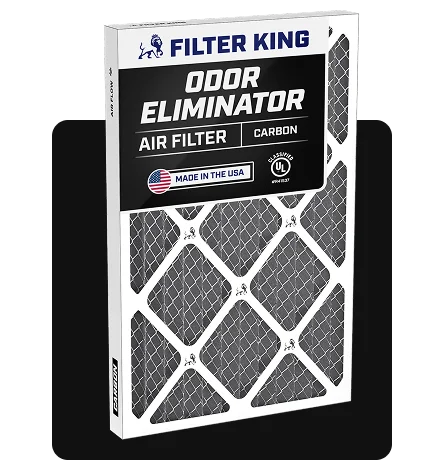

An air filter that stays clean is usually being bypassed: it's the wrong size, sits loose, or faces the wrong way, so air flows around it. A system that rarely runs, a low-efficiency flat filter, or a very clean home can also keep it clean. A filter that gets dirty fast points to pets, construction dust, or leaky ducts.
Why is my air filter not getting dirty?
Your air filter isn't getting dirty most often because air is slipping around it. Start with the most likely causes:
- Wrong size or loose fit: a filter that's too small leaves gaps, and air takes the easy path around the edges.
- Arrow facing the wrong way: the airflow arrow on the frame should point toward the furnace or air handler.
- The system rarely runs: in mild weather, or with the thermostat fan set to auto, little air passes through the filter.
- A low-efficiency filter: flat panel filters made of fiberglass, foam, or metal mesh catch mostly large particles, and the EPA's 2018 technical guide to residential air cleaners lists them at MERV 1 to 4.
- A clean, sealed home: with no pets, few people, and regular cleaning, there's less dust in the air to catch.
- A system problem: weak airflow from a failing blower or a blockage means less air reaches the filter.
A clean filter isn't a problem if your system runs often, the filter fits snugly, and airflow from the vents is strong. Pull the filter after a month of regular use and hold it next to a new one: some gray on the intake side means it's working.
How to check a filter that stays clean
- Turn the system off at the thermostat.
- Pull the filter and compare the size printed on its frame with the size of the slot.
- Look for gaps around the edges once the filter is back in, and replace it with the right size if air can get around it.
- Check that the airflow arrow points toward the furnace or air handler.
- Check the thermostat fan setting and how often the system has been running.
- Run the system and feel the airflow at a few supply vents.
- Call an HVAC technician if the airflow is weak even with a correctly fitted filter.
Our guide on how to change a furnace filter shows how to fit a filter and which way the arrow goes. If your slot doesn't match the filter, find the right fit in our air filter sizes, or order custom air filters for a slot that isn't a standard size.
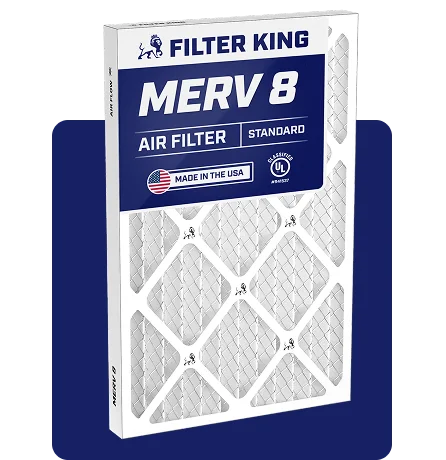
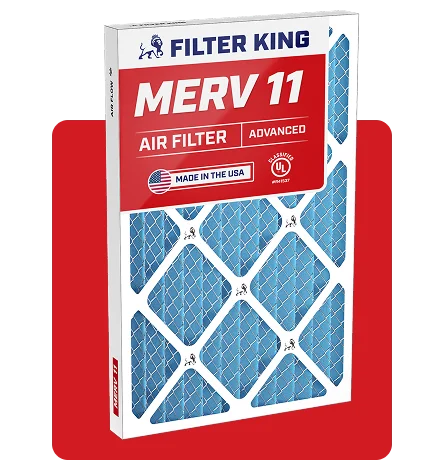
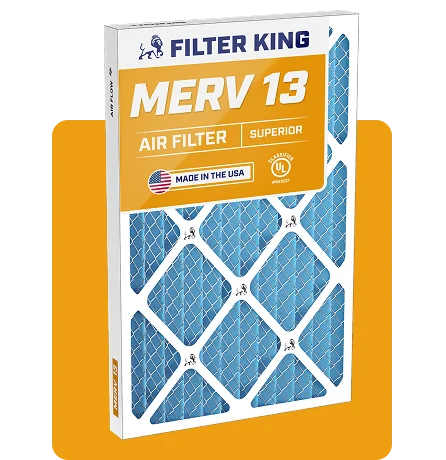
MERV (Minimum Efficiency Reporting Value) is a 1–16 score for how well a filter traps particles. Pleated filters rated MERV 8 to MERV 13 catch far more fine dust than flat panel filters.
Why does my AC filter get dirty so fast?
An AC filter gets dirty fast when there's more dust and hair in your home's air, or when the system moves more air than usual. These are the most common causes:
- Pets: shedding hair and dander build up on the filter quickly.
- More people at home: a larger household or kids at home stir up more dust.
- The fan set to on: the blower runs all day, so more air passes through the filter.
- Heavy heating or cooling: in peak summer and winter, the system runs for longer.
- Construction or renovation: building dust gets pulled into the return vents.
- Leaky return ducts: ENERGY STAR notes that insulation particles and dust can enter the duct system through leaks.
- A dusty spot near a return vent: dirt from a potted plant, a dusty corner, or heavy drapes gets pulled straight in.
- Smoke or outdoor pollution: wildfire smoke and city air load the filter faster.
A filter that fills fast is doing its job, so the fix is usually to change it more often. With one pet, change it about 25% sooner than the usual 30–90 days for a 1-inch filter, and about 50% sooner with multiple pets. Our guide to the best furnace filters for homes with pets covers which filter to use.
Brushing pets often, vacuuming weekly, and keeping the area around return vents clean all slow the buildup. If you suspect duct leaks, our guide on how to check your air ducts for leaks shows what to look for.
What should a clean vs dirty air filter look like?
A clean air filter is white or the color of its media, and a dirty one is gray or brown with a visible layer of dust on the side air enters. Use this table to judge yours:
| What you see | What it means | What to do |
|---|---|---|
| Still white or nearly new after weeks of regular use | Air may be going around the filter | Check the size, fit, and arrow direction |
| Light gray film on the intake side | The filter is working | Leave it in and check again next month |
| Gray or brown, with dust caked in the pleats | The filter is full | Change it now |
| Full again within a few weeks | Extra dust or hair in the home | Change it more often and look for the source |
| Black or sooty | Soot, smoke, or another outside source | Change it and look for the source |
A black filter can point to soot or other problems, and our guide on why an air filter turns black covers the causes. For a regular schedule, see our guide on how often to change your air filter.
When should you call an HVAC technician?
Call an HVAC technician when your filter fits correctly but airflow from the vents is still weak, or when a filter fills up fast and you can't find the cause. A technician can check the blower, test the ducts for leaks, and clean the coils.
Also call a technician if the system makes new noises, short-cycles, or stops heating or cooling well. If your AC runs but doesn't cool, our guide on what to do when your AC isn't blowing cold air covers other common causes.
