




Totals
${{ totalOrderSum() }}
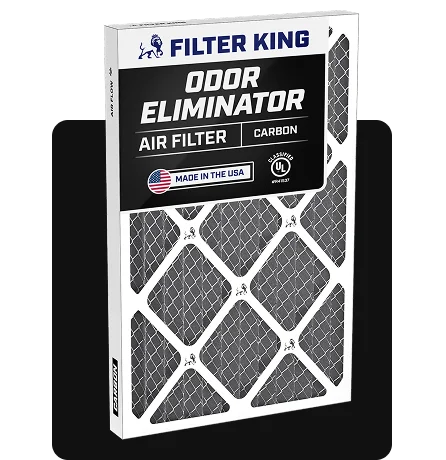

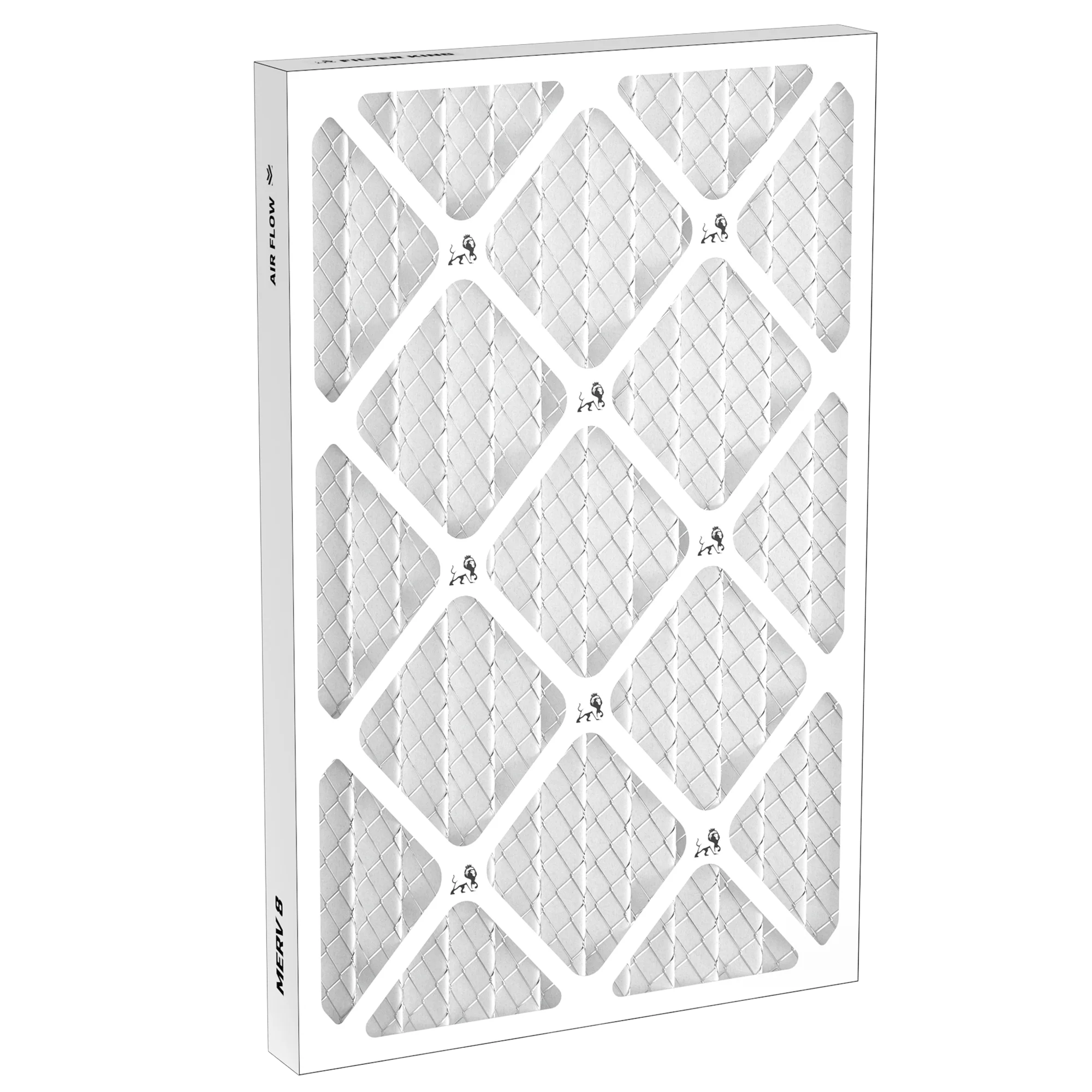
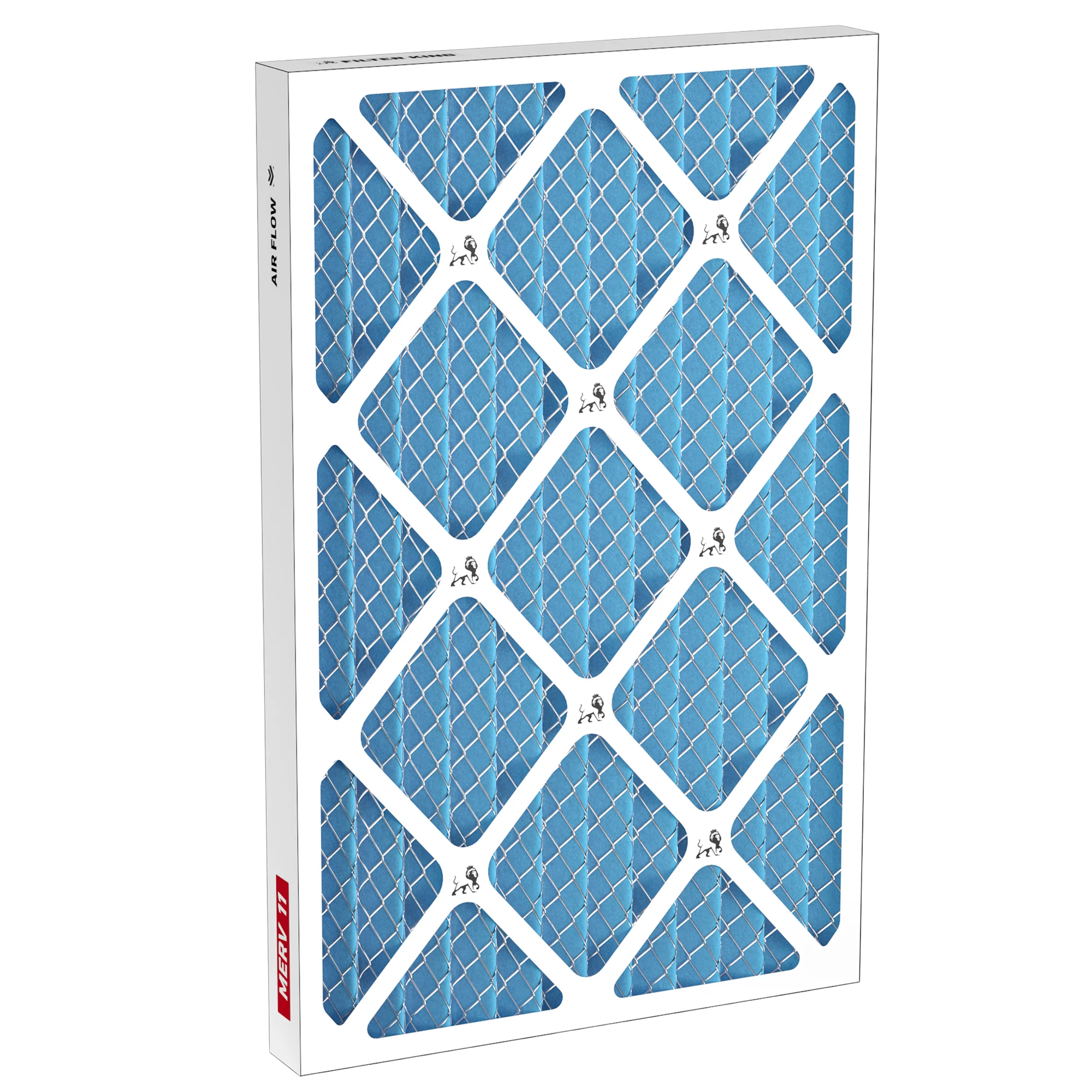
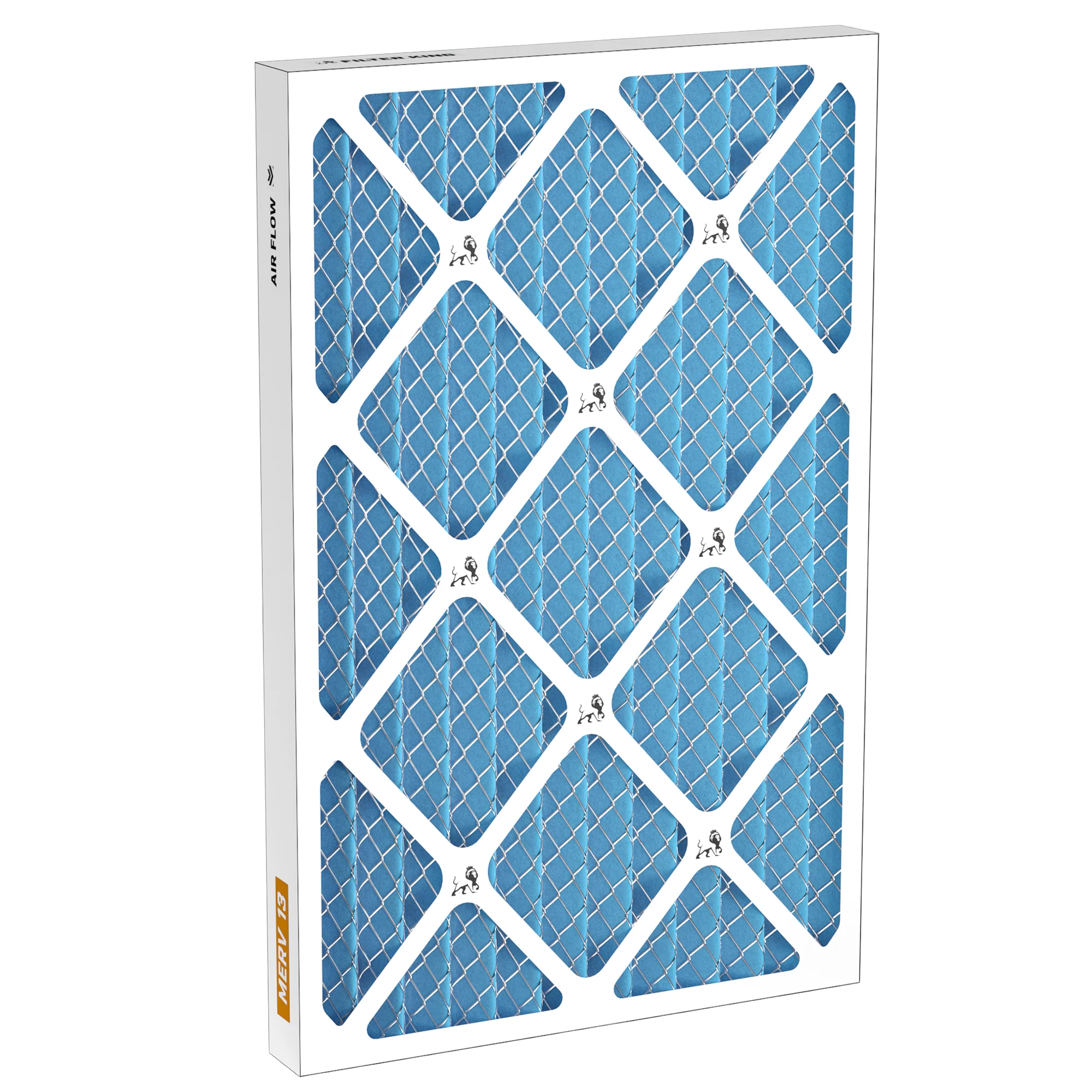
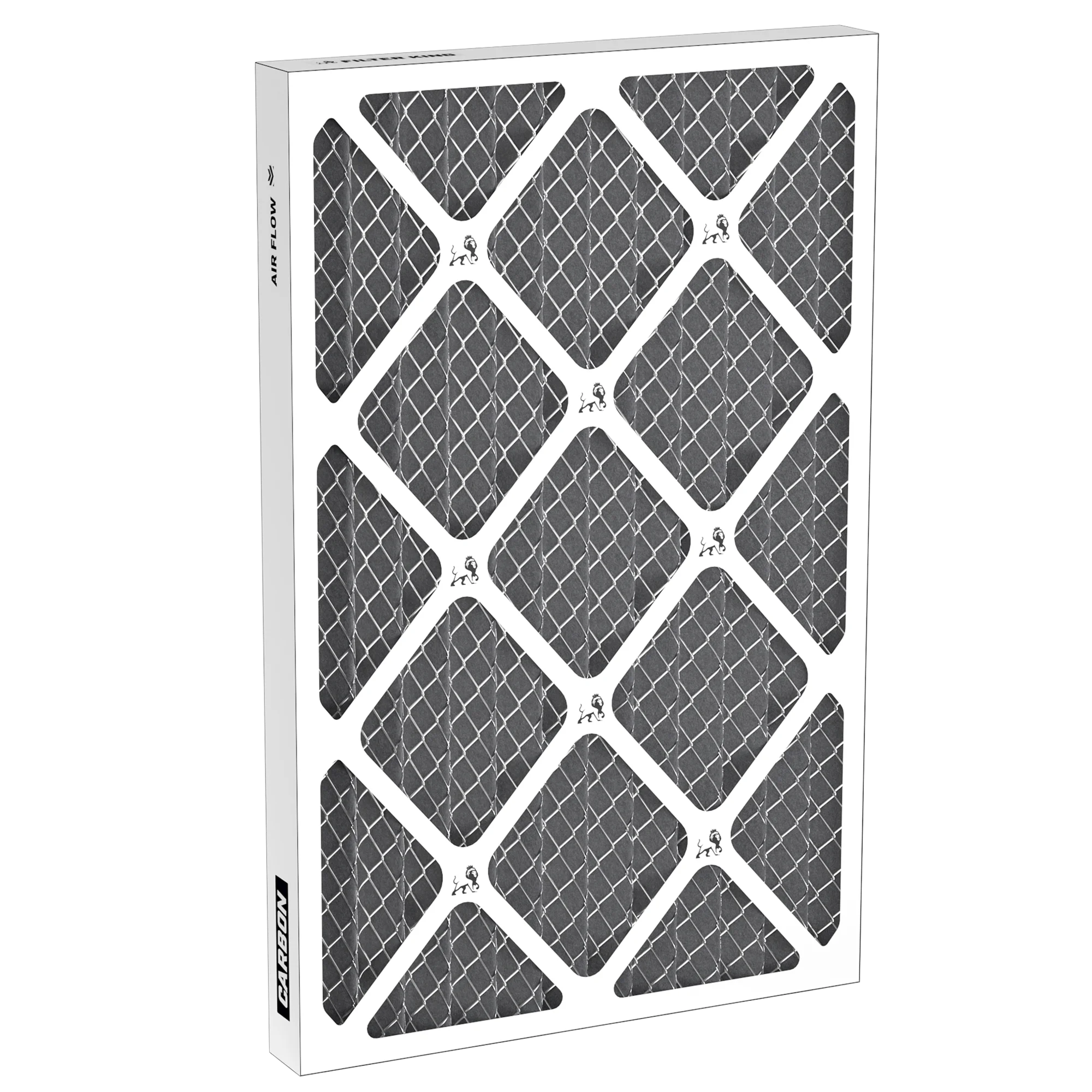



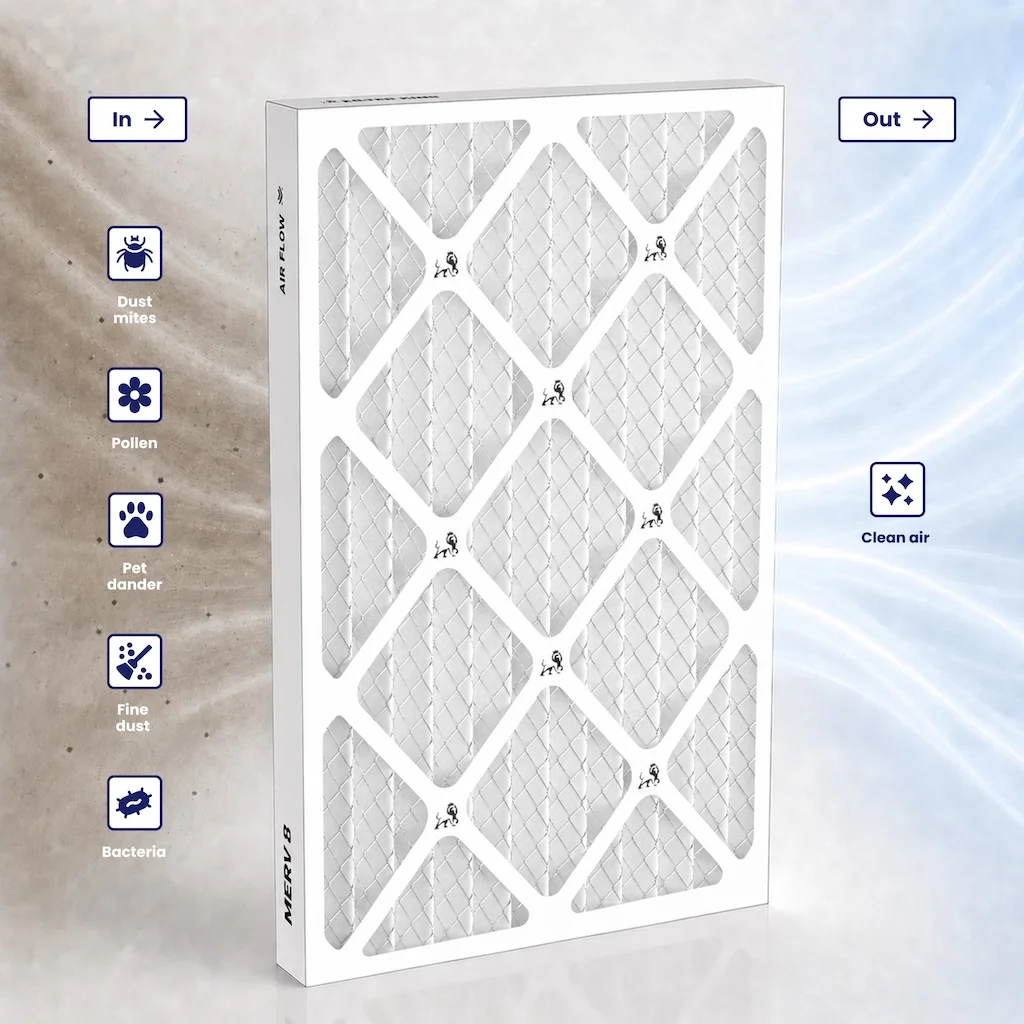
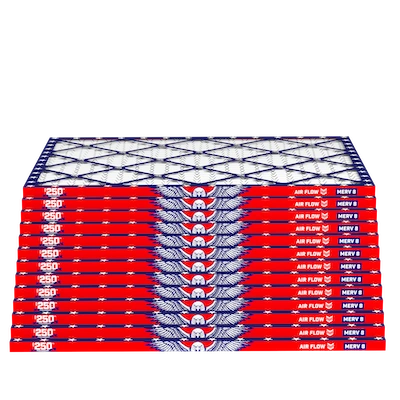
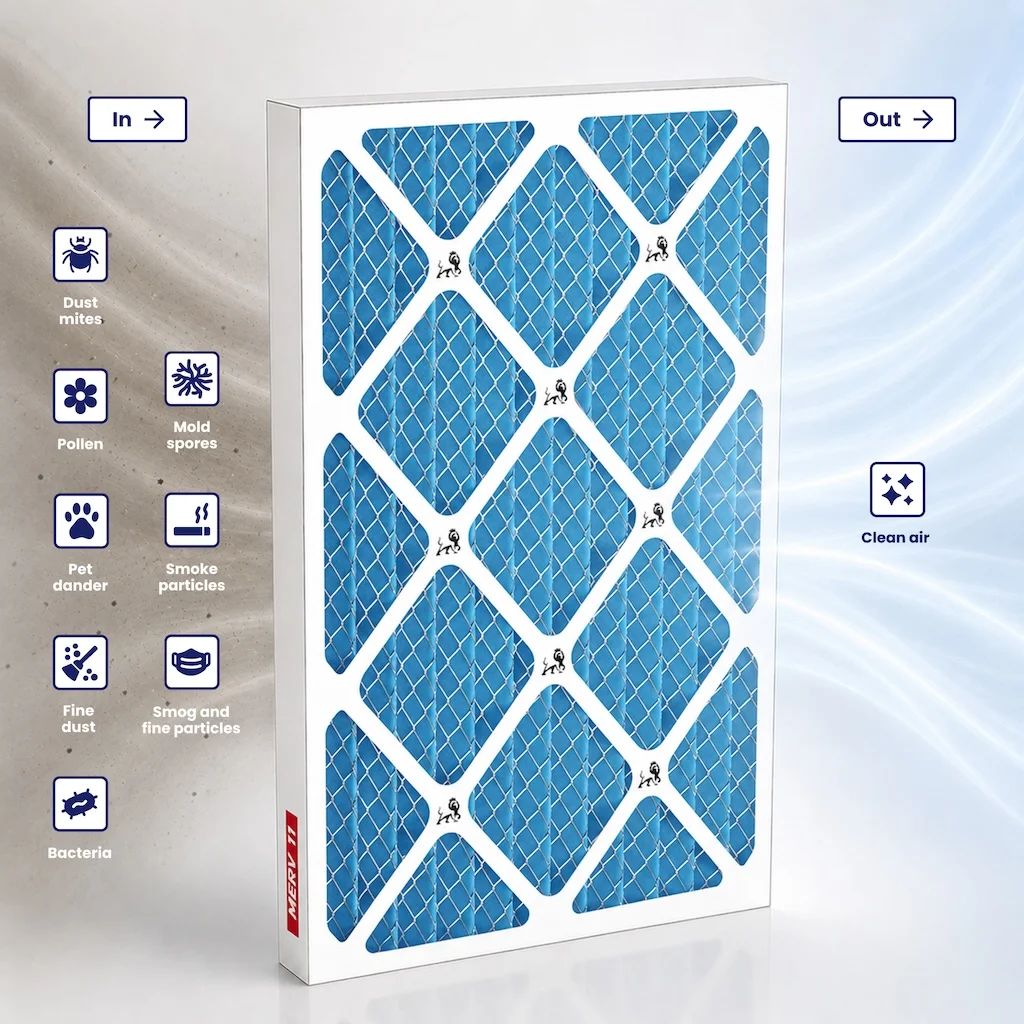
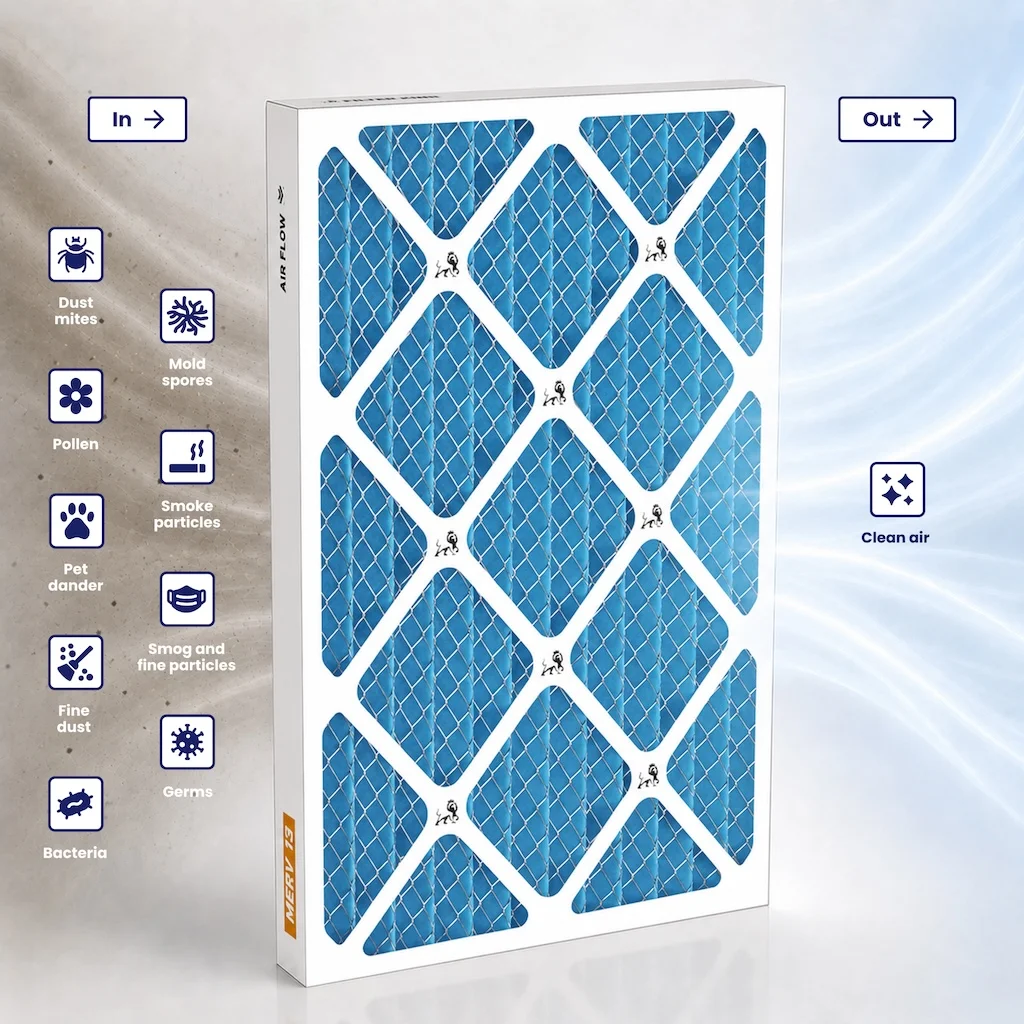
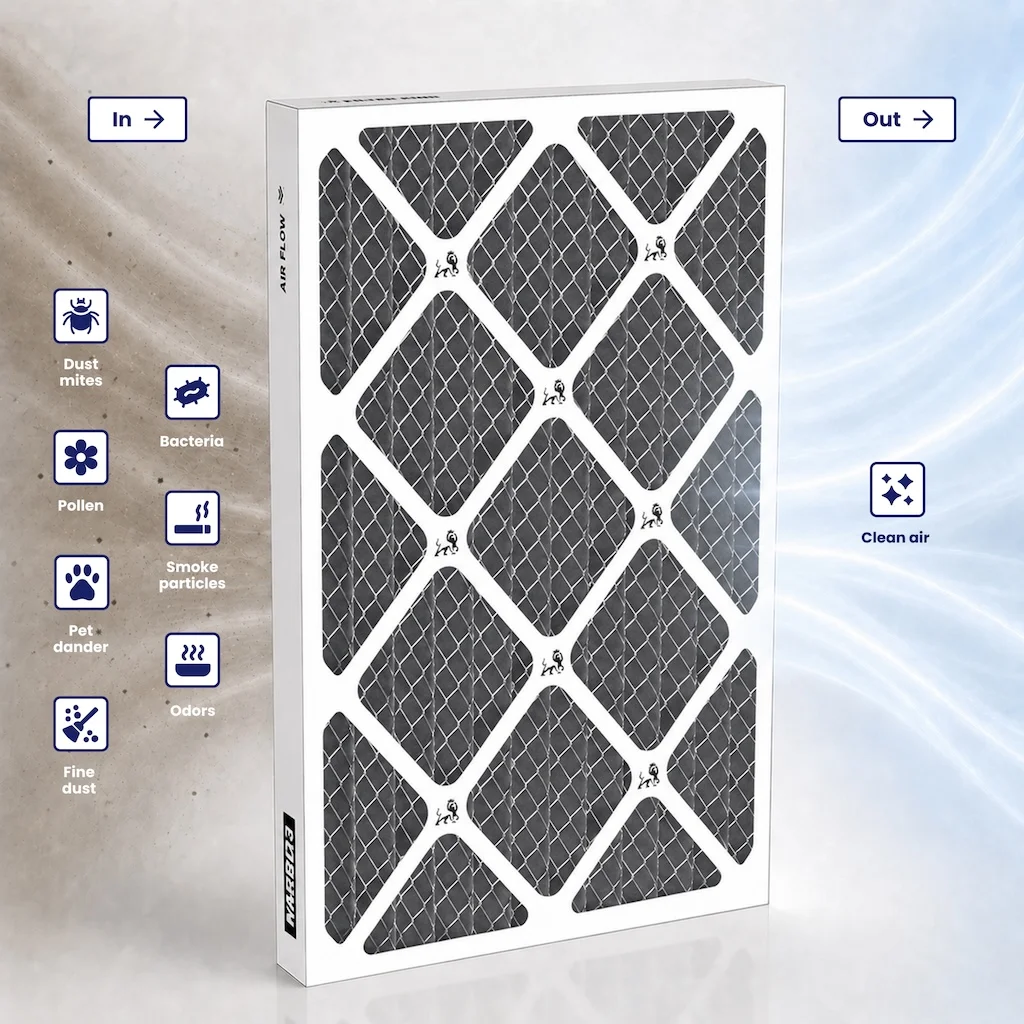

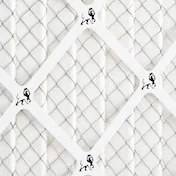
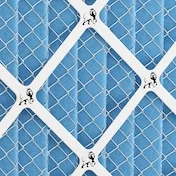
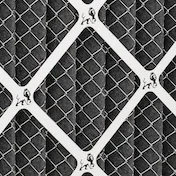
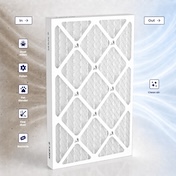
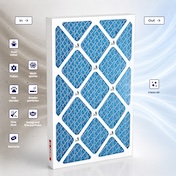
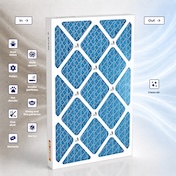
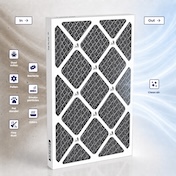
The 20x23x1 air filter is designed for residential furnace and HVAC systems, helping improve indoor air quality while protecting your equipment.
Whether you need a 20x23x1 furnace filter or a high-efficiency HVAC air filter, this size is commonly used and should be replaced every 30–90 days.
Actual size: 20 x 23 x 0.75 inches
 {{ filter_count }}


Processed quickly, ships fast, free for all orders

Return your items within 30 days and get a full refund

Find your perfect fit with our complete size range
For best indoor air quality, we recommend you change your HVAC or furnace air filters regularly at different times depending on your situation.


Replace your air filter every 6 weeks to minimize the circulation of bacteria and allergens in the air.

Replace air filters every 2 months to reduce odors as well as pet dander and hair buildup in your system.

Replace your air filter every 2-3 months to reduce airborne particles and maintain cleaner indoor air.

Your filter catches dust every day, but it can only hold so much. Once it's full, dirty air keeps circulating and your system has to work harder – leading to problems that spread through your whole home.

A clogged filter makes your system work much harder to push air through. That extra effort shows up on your energy bill.

When air can't flow through, your AC can freeze up in summer and your furnace can overheat in winter.

A dirty filter weakens your system's airflow, so some rooms end up too hot, too cold, or just plain stuffy.
How well does the current selection protect your home?
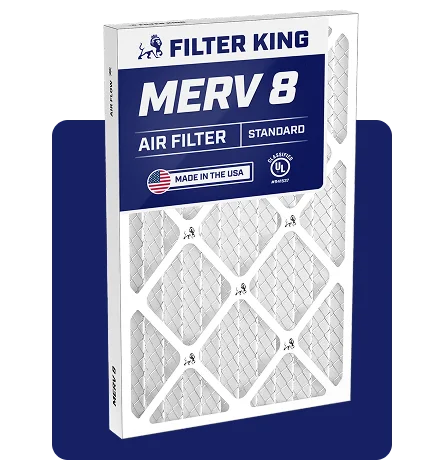
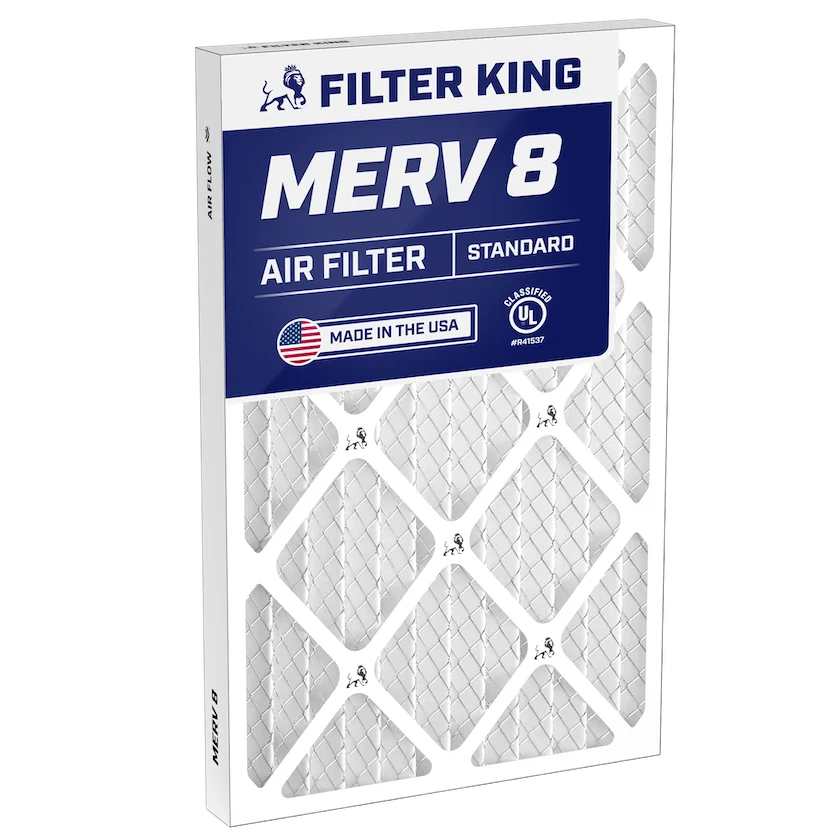
Captures dust mites, pollen, pet dander, lint, and mold spores – up to 90% of common household particles. Does not stop fine dust, smoke, or smog particles under 3 microns.


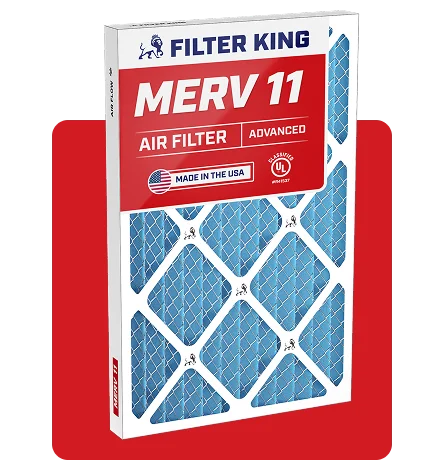
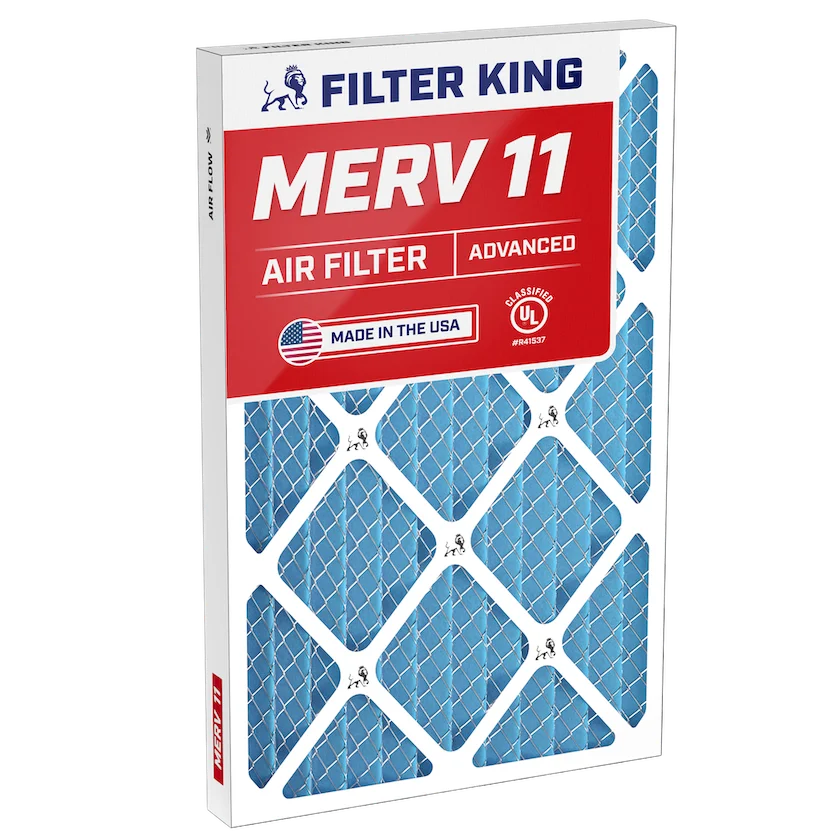
Captures everything MERV 8 does, plus fine dust, smoke particles, and smog – up to 95% of common particles, including particles as small as 0.1 microns. Does not capture bacteria, virus carriers, or odors.


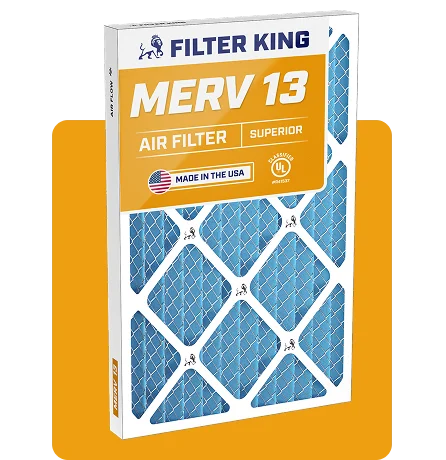
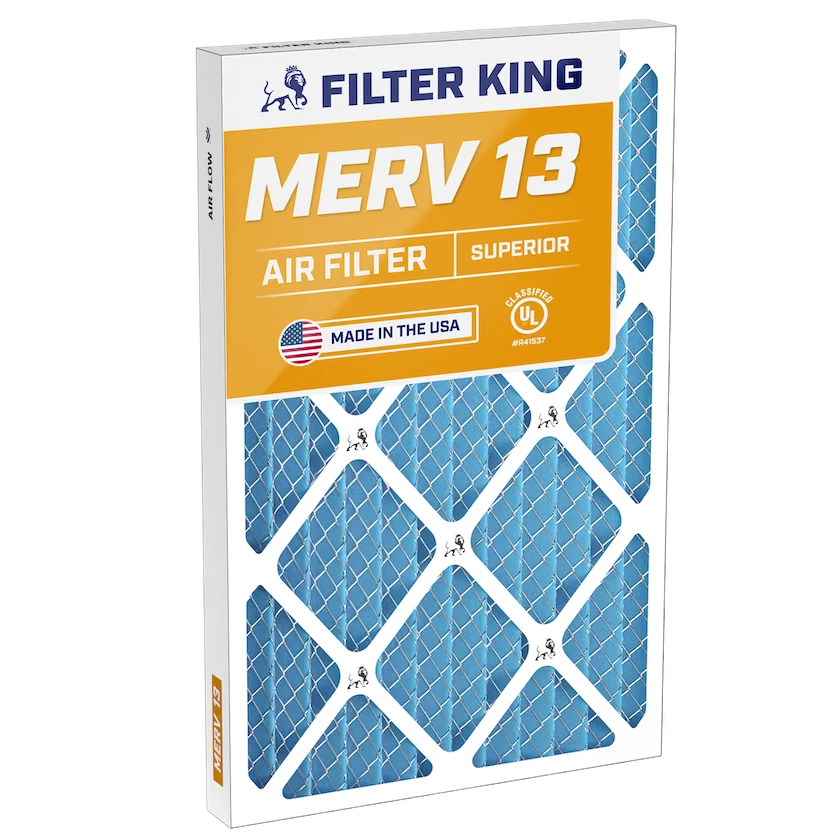
Captures everything MERV 11 does, plus bacteria and virus carriers – up to 98% of common particles. Does not remove odors, VOCs, or cooking smells.


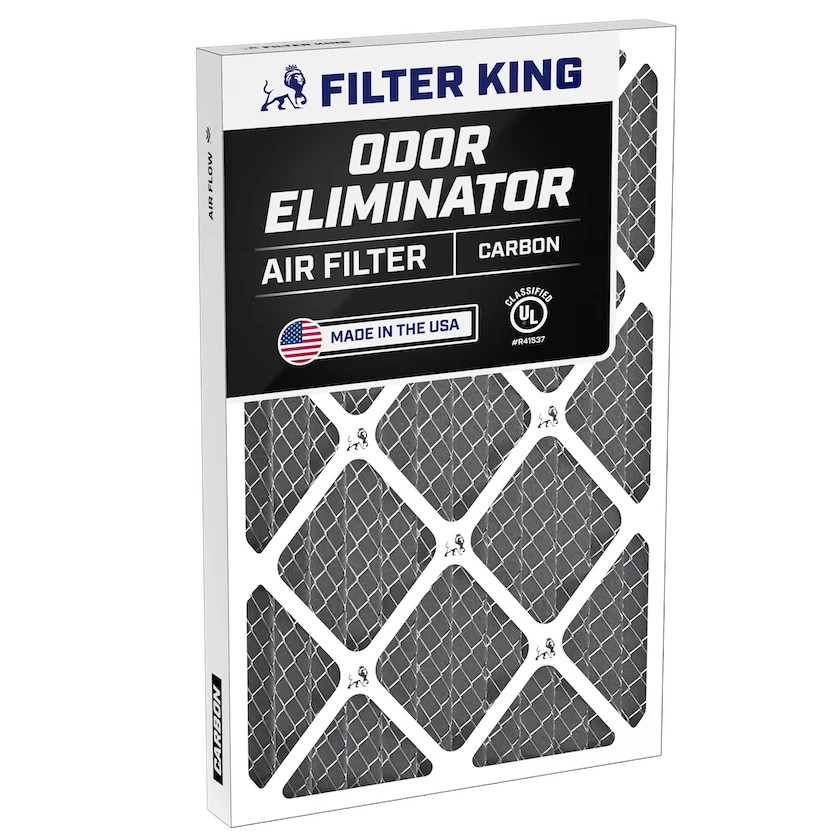
Captures the same particles as MERV 8 – dust mites, pollen, pet dander, lint, and mold spores – plus smoke particles, odors, gases, and VOCs at the molecular level. Does not capture fine dust, smog, bacteria, or virus carriers.




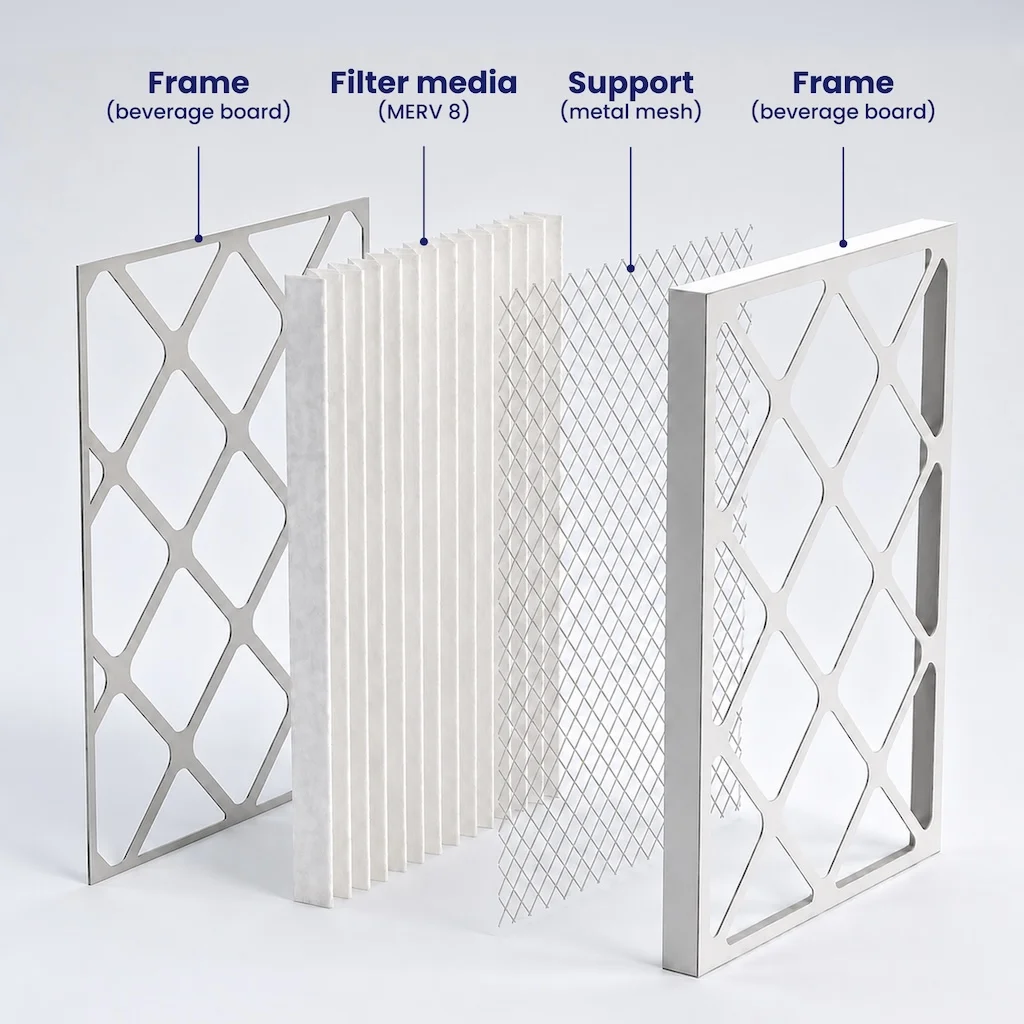
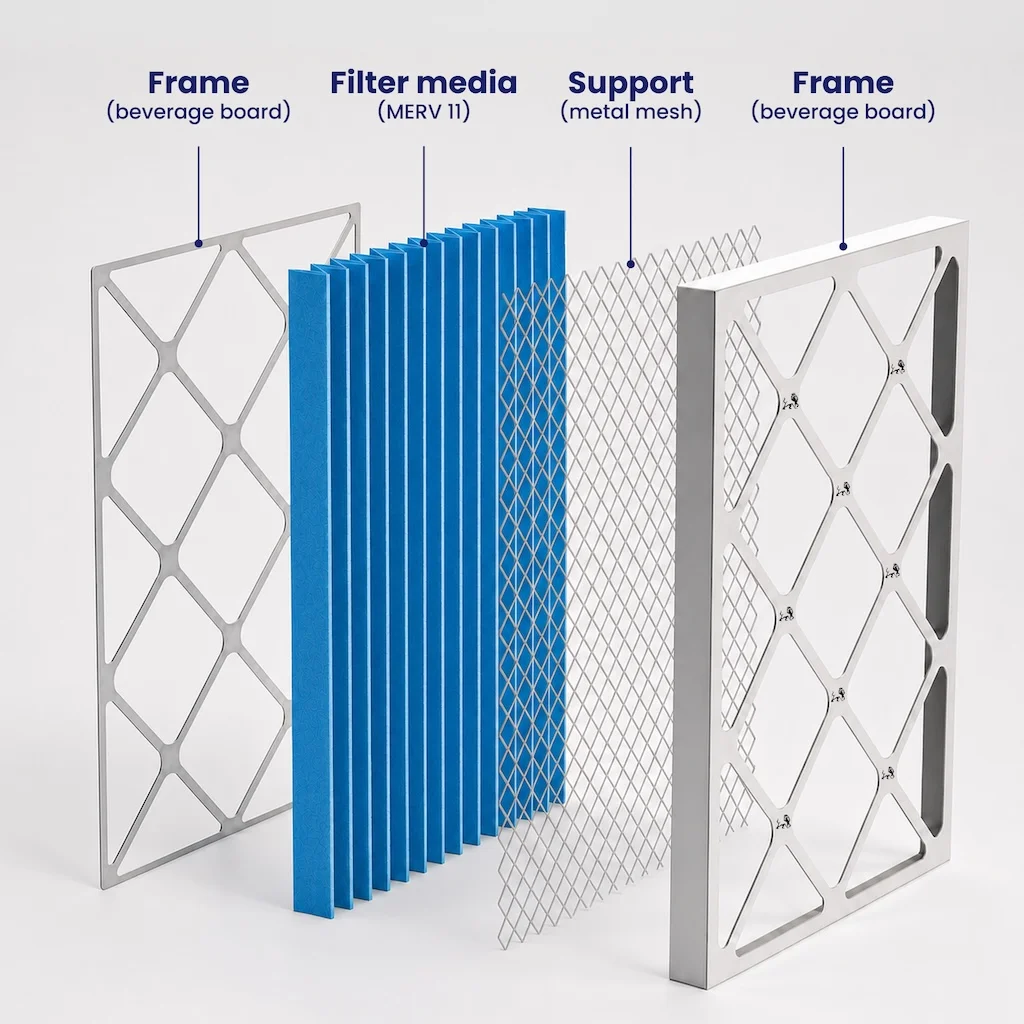
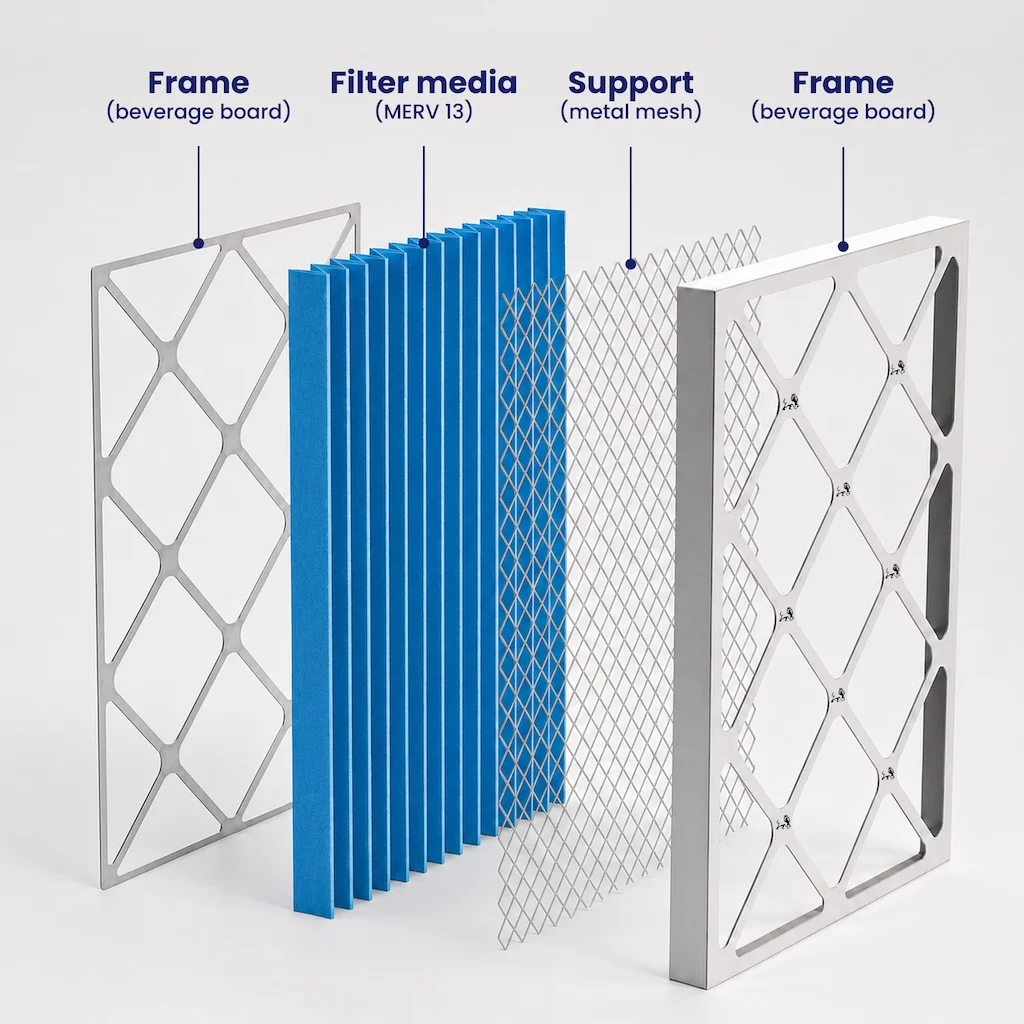
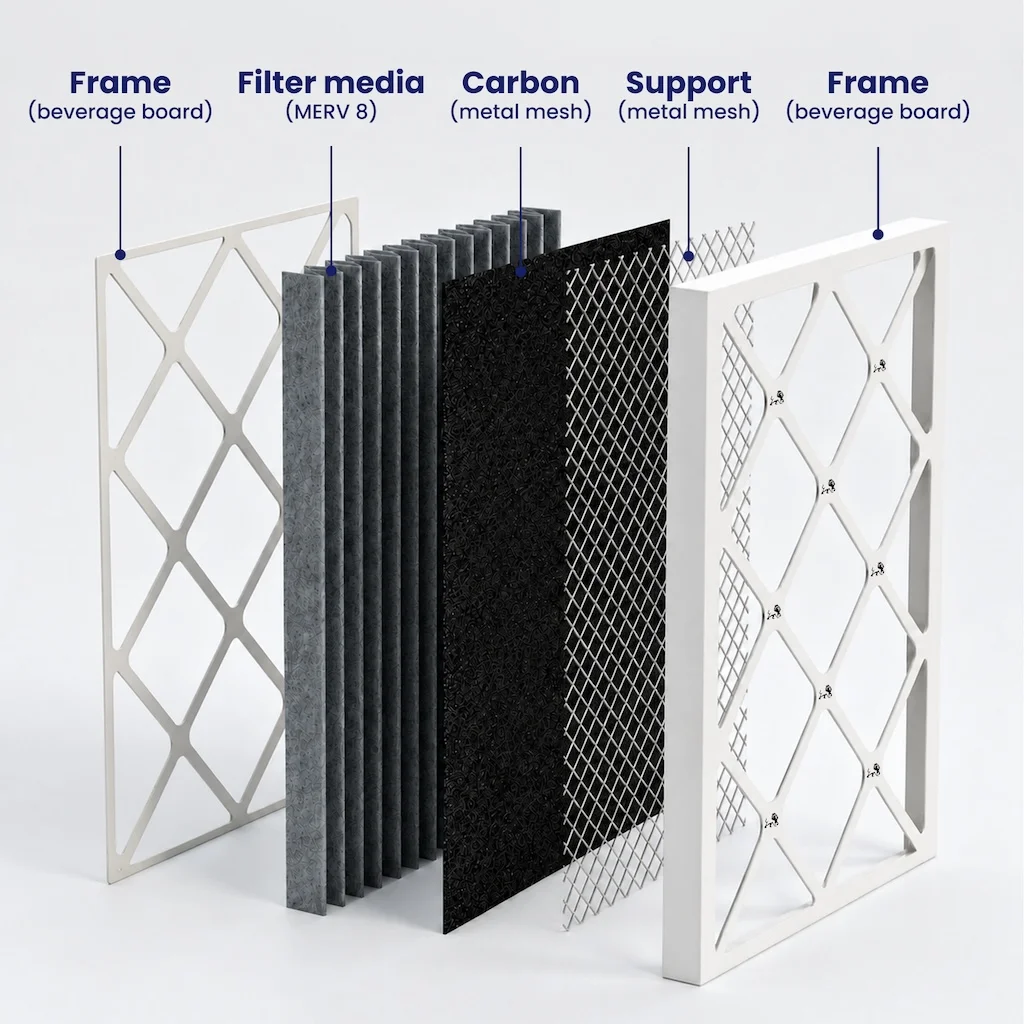
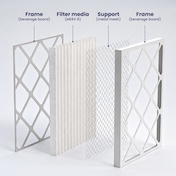
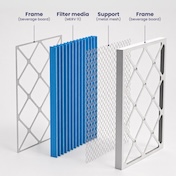
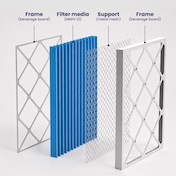
The diagonal straps die-cut into the frame bond to each pleat tip, keeping them evenly spaced so the filter won't bow.
Traps up to 90% of everyday particles like dust mites, pollen, pet dander, and mold spores, while still letting air flow through freely.
Rated to capture up to 95% of common particles, MERV 11 media catches dust mites, pollen, pet dander, and mold spores, as well as fine dust and smoke.
Stops up to 98% of particles passing through, including dust mites, pollen, pet dander, and mold spores, as well as fine dust, smoke, and bacteria.
Traps up to 90% of everyday particles like dust mites, pollen, pet dander, and mold spores, while still letting air flow through freely.
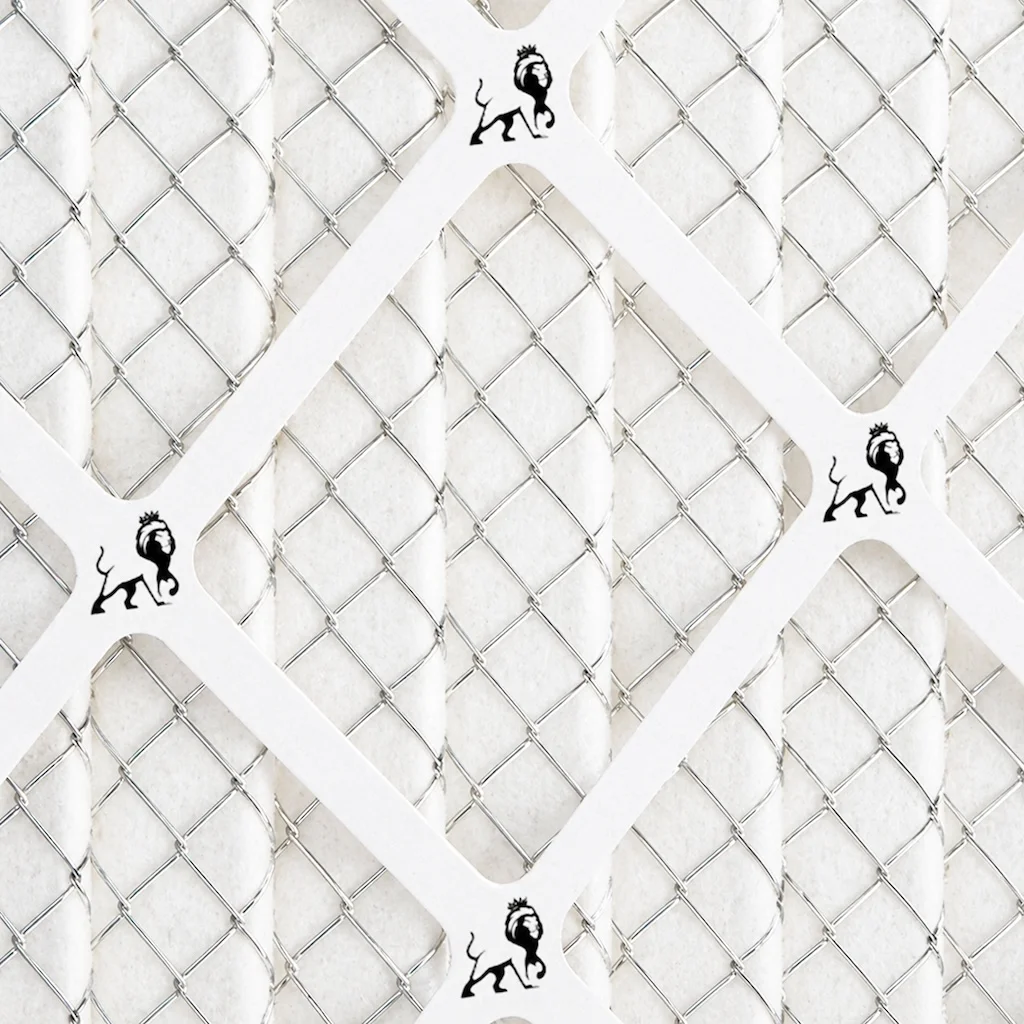
An expanded wire grid bonds to the media, stopping the pleats from shifting or pulling away under airflow.
An expanded wire grid bonds to the media, stopping the pleats from shifting or pulling away under airflow.
An expanded wire grid bonds to the media, stopping the pleats from shifting or pulling away under airflow.
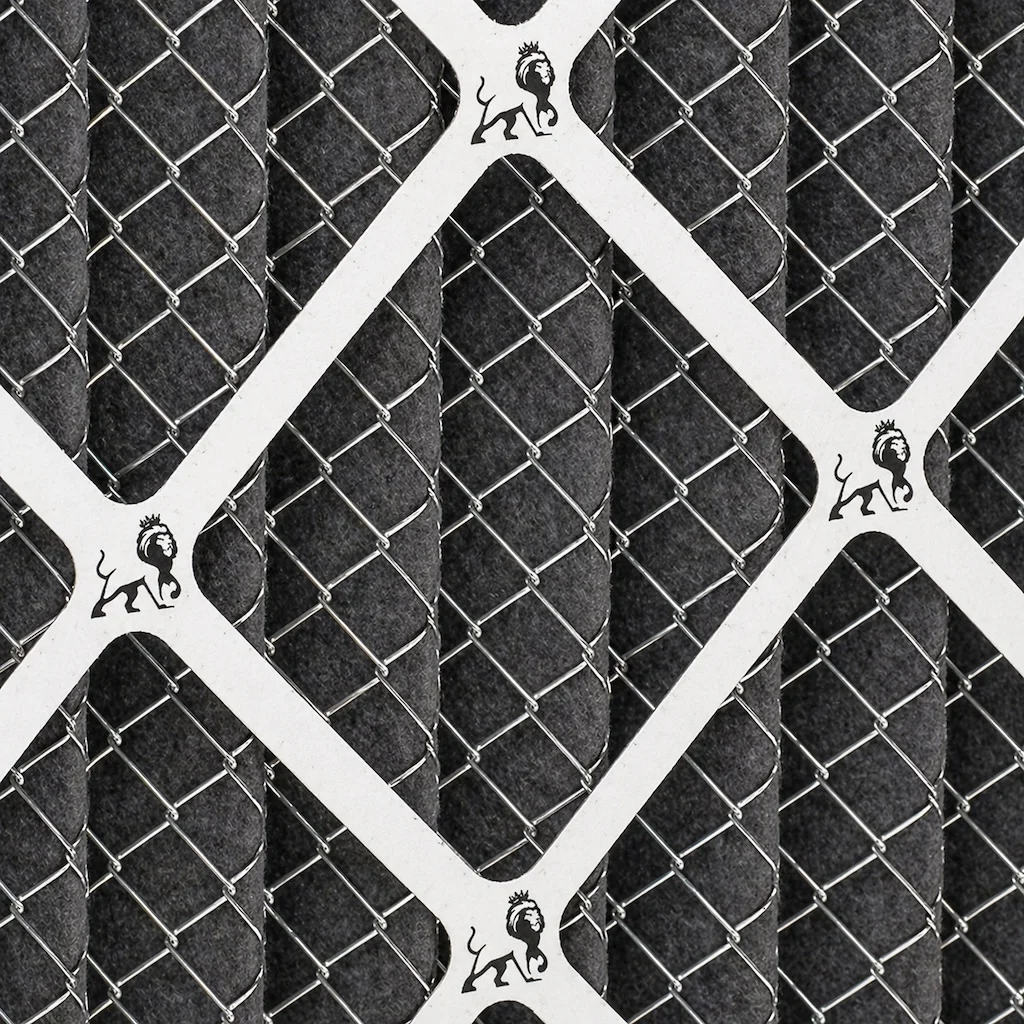
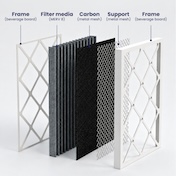
A layer of activated carbon absorbs odor molecules from cooking, pets, and chemical fumes – catching what the filter media alone can't.
The same heavy-duty, moisture-resistant beverage board on the exit side holds its shape and keeps a tight seal in your vent or wall slot.
An expanded wire grid bonds to the media, stopping the pleats from shifting or pulling away under airflow.
Check the label on your current filter or use a tape measure to determine the length, width, and thickness. Just make sure you know the difference between nominal and actual size.
Nominal Size: 20x23x1
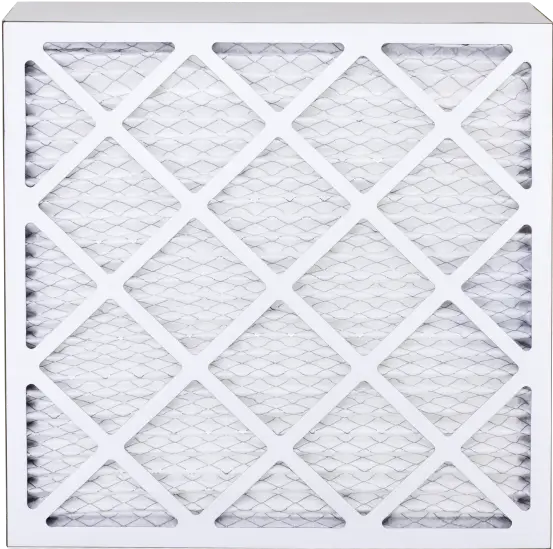
Actual Size: 20x23x0.75
Nominal size is what you normally see printed on the label. This is usually a rounded size which is often not the true size of your filter.
Actual size is the true size of the air filter, usually written in smaller font below the nominal size.
Measure your current air filter or the length, width, and depth of the opening slot to get the actual size. Round it up to the nearest whole inch to get the nominal size.
Installing 20x23x1 furnace filter or HVAC air filter is easy. Just make sure to align the arrow printed on the side with the airflow direction!
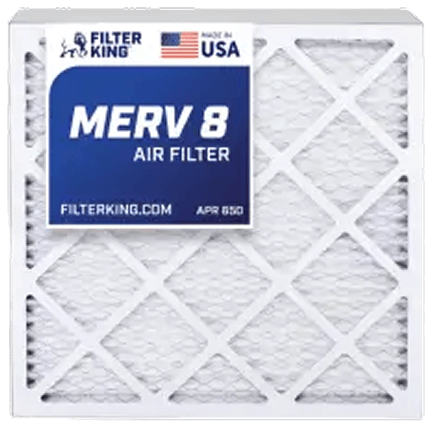
Remove the air filter from the package
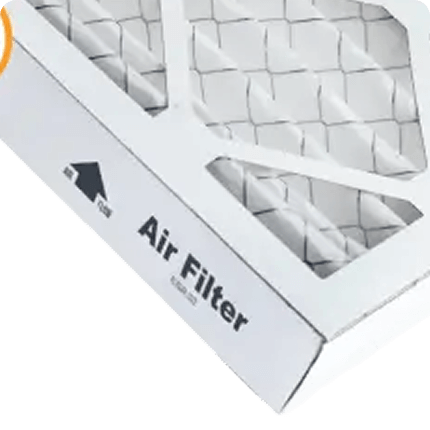
Locate the arrow and point it in the direction of the fan
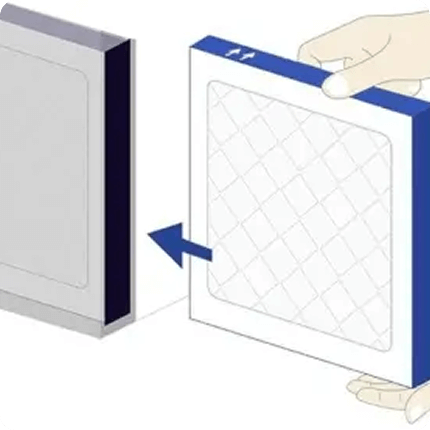
Slide the filter in to the slot of the central unit

For return grills, insert the filter into the grill, pointing the arrow inwards
Never run out of a clean filter – and cancel anytime if your plans change
 Pay full price on every order
Need to remember to reorder every time you run out
Forget to reorder, and a dirty filter can drive up your energy bills.
Pay full price on every order
Need to remember to reorder every time you run out
Forget to reorder, and a dirty filter can drive up your energy bills.
 Get 5% off every order, automatically
New filters arrive right when you need them
Pause, skip, or cancel anytime – no commitment needed.
Get 5% off every order, automatically
New filters arrive right when you need them
Pause, skip, or cancel anytime – no commitment needed.
20x23x1 air filters are used in many residential HVAC systems. When the right MERV rating is selected for your specific property, these filters can trap larger particulates, such as dust, debris, pet dander, and hair, to maintain good indoor air quality.
In this post, we'll discuss 20x23x1 air filter HVAC compatibility, performance characteristics, replacement frequencies, and more to help you make an informed, confident purchase.
20x23x1 air filters are used in residential furnaces, air handling units, air conditioner units, and heat pumps that accommodate this size. Carrier, Honeywell, Aprilaire, and Filtrete are just a few of the HVAC name brands that manufacture units compatible with 20x23x1 filters. They're often installed in return air vents on walls or ceilings, or directly on the furnace blower or within the air handling unit. In some cases, the filters are installed behind return grilles in hallways, attics, closets, or even basements.
How do you know if your HVAC system is designed to work with a 20x23x1 air filter, especially because this isn't one of the more common air filter sizes? Follow these steps to find out:
Though the length and width of filters vary by HVAC system, 1-inch-thick filters are the most common type used in residential units. One-inch filters effectively capture large particles, such as dust, pollen, pet dander, and other allergens, as long as they're changed regularly.
One-inch filters need to be replaced every 30 to 90 days, depending on household conditions. For instance, households with pets are likely to change their filters more regularly than households without pets to ensure proper filter performance.
1-inch filters require more frequent replacement than thicker filters such as the 2-inch or 4-inch filters because they have less surface area to capture pollutants, allergens, and other contaminants. However, they're also more affordable than thicker filters, making regular replacements more cost-effective.
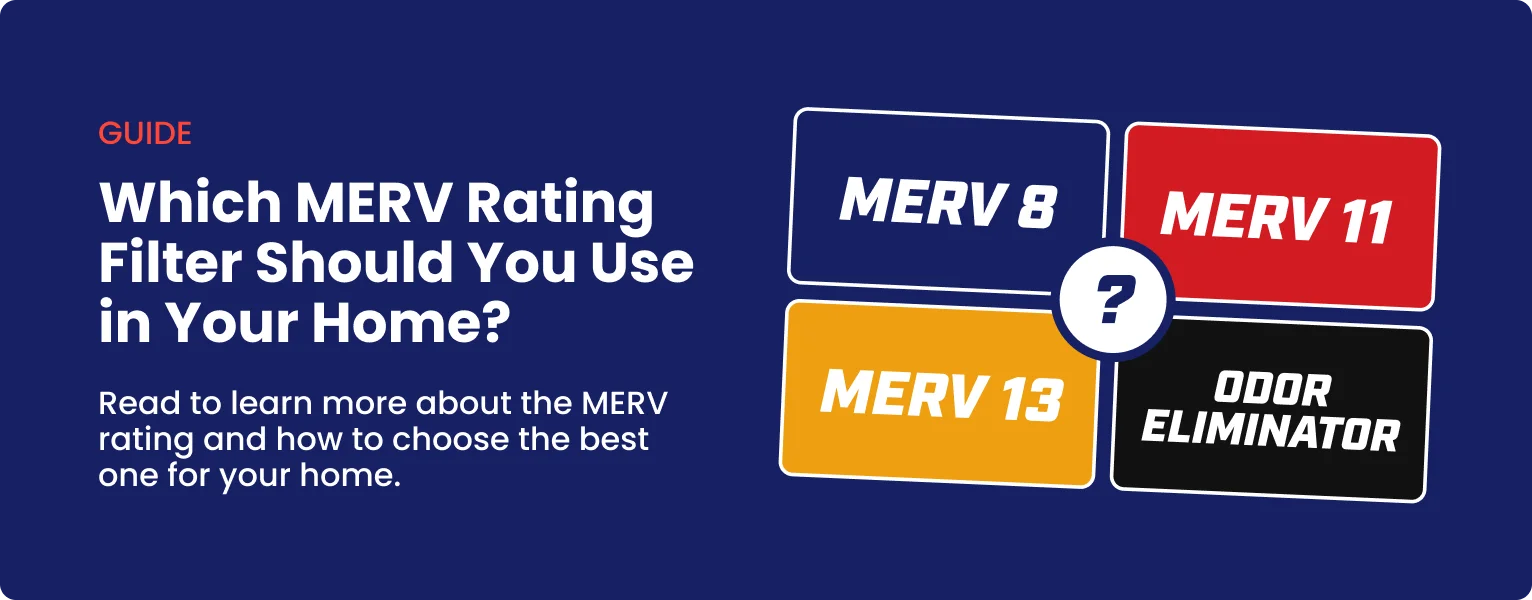
20x23x1 air filters are available in different Minimum Efficiency Reporting Value (MERV) ratings: MERV 8, MERV 11, MERV 13, and MERV 8 carbon (odor control). The higher the MERV rating, the more particles the filter can capture. Yet, a higher MERV rating isn't the best option for all HVAC systems and all types of households.
Here's an overview of MERV ratings pertaining to 1-inch filters and what you should consider when making your selection:
20x23x1 air filters are most commonly used in small to medium-sized residential properties, often serving as the primary filter for furnaces, air conditioners, or heating systems. This size can be used in vertical and horizontal HVAC units. Common applications include:
Air filter dimensions vary by HVAC unit, but the 1-inch thickness is the most common in residential systems. Homeowners tend to prefer this filter size for its combination of high quality and great price. While these filters require more frequent replacement than thicker filters, they offer optimal protection against harmful particles, resulting in cleaner air.
Wondering what 20x23x1 MERV rating is right for your household? Here's a guide to match MERV rating to your property's specific needs:
To ensure premium indoor air quality and air flow, 20x23x1 air filters should be replaced every 30 to 90 days. Here's a guide to replacement frequency based on your specific household:
Household factors that often require monthly air filter replacement include homes with pets or high-dust environments. Monthly replacement of 20x23x1 air filters should also be considered if household residents have heightened allergies or respiratory conditions.
Quarterly 20x23x1 air filter replacements are common in the average small to medium-sized home, especially if your system isn't heavily used.
There are several signs and symptoms to be on the lookout for that indicate air filter replacement, including:
If you notice any of these, perform a visual inspection on your filter to see if it requires replacement. Old filters tend to be dark gray, dusty, or show noticeable debris buildup. Consider removing your filter and holding it up to the light. If no light passes through it, it should be replaced.
Installing a 20x23x1 filter is a simple, straightforward task. Here's an overview of the process:
If done correctly and with the proper size, the air filter should fit snugly and there should be no gaps where any air could bypass the filter. You should be able to install the new filter without having to force or bend it into place.
Not all air filters are created equal. At Filter King, we pride ourselves on carrying only the highest-quality manufactured air filters. Here's a look at some of the factors that separate our air filters from other lower-quality options:
Ready to purchase your next air filter?
First, verify that your system can accommodate a 20x23x1 size by checking your current filter, your HVAC manual, or measuring your filter housing and rounding up to determine its nominal size.
Once you've confirmed that your unit accommodates the 20x23x1 size, assess your household's air quality needs and unit recommendations to determine the proper MERV rating.
From here, place your order. Since 1-inch filters need more frequent replacement than thicker filters, you can save money by ordering in bulk or opting for a subscription-based program that delivers a new filter at a scheduled frequency. At Filter King, we offer both bulk purchasing and subscription options to maximize your convenience, help you save on costs, and ensure you always have a fresh filter when you need it.
The actual size of a 20x23x1 air filter is 19.5x22.5x0.75 inches. Our filters are half an inch smaller than the nominal size to ensure they fit perfectly into the slot.
You should replace your 20x23x1 air filter every 30 to 90 days. Homes with pets, indoor smokers, or allergy sufferers may need to replace their filters more frequently.
No, most 20x23x1 pleated filters cannot be washed and reused. These filters are designed to be disposable and should be discarded upon replacement. Any attempt to wash a disposable filter will destroy its fibers and render it ineffective.
A MERV 13 20x23x1 filter may restrict airflow in older or lower-capacity HVAC systems. Restricted airflow can lead to uneven heating and cooling, increased energy bills, and premature component wear and tear. Consult your HVAC manual to determine system compatibility.
Yes, whether it's labeled 20x23x1 or 20x23, it's the same air filter. The x1 confirms a 1-inch filter thickness, but this is already implied by the standard 20x23 description.
No, you should never stack 20x23x1 filters together to improve filtration. Stacking filters restricts airflow, which can cause your HVAC system to run longer to heat or cool your property. This can result in increased utility bills and accelerated wear and tear on your unit.
If your 20x23x1 filter dirties quickly, it's likely because of household and/or environmental air conditions. High volumes of dust, pet dander, lint, debris, and other airborne particles can cause a filter to dirty faster than normal. Environmental pollutants and high pollen counts can also accelerate filter dirtying.
No, using a 20x24x1 filter rather than a 20x23x1 is not recommended. This is because a 20x24x1 is larger and will likely not fit perfectly into the slot. This can result in a tighter fit and reduced airflow, impacting system efficiency. Only use the air filter size that your HVAC unit is designed to handle.


 MERV 8 filters