


A washable air filter can be reused for years, but most catch fewer small particles than disposable pleated filters and need cleaning every month or two. A washable filter suits a home without allergies that wants less waste, while disposable MERV 8 to MERV 13 filters are the better choice for pets, allergies, or smoke.
What is a washable air filter?
A washable air filter is a reusable filter you rinse and put back instead of throwing away. Washable, reusable, permanent, and cleanable furnace filters all describe the same idea: a sturdy frame with media made from foam, metal mesh, or synthetic fibers that holds up to washing.
Some washable filters use electrostatically charged fibers that attract dust. The EPA's 2018 technical guide to residential air cleaners notes that charged filter media tend to lose efficiency as they load up with dust, so cleaning on schedule matters even more for these filters.
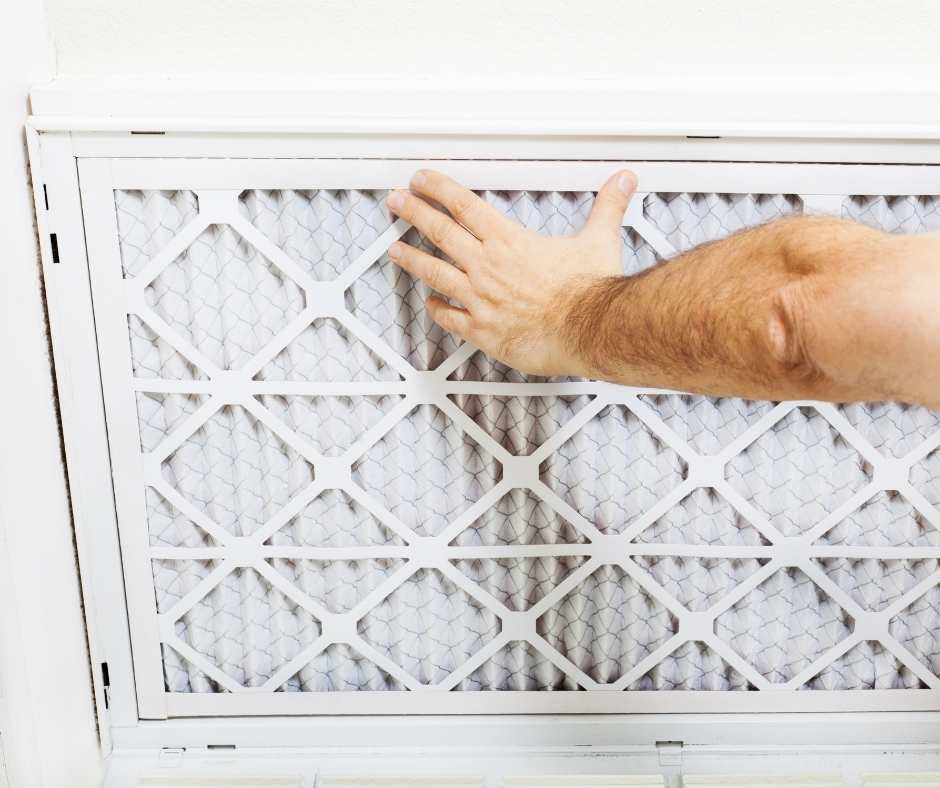
Your furnace or air conditioner pulls air from inside your home through the return ducts, and the filter cleans that air before it reaches the blower and coils. A washable filter does the same job as a disposable one, and it has to fit the same slot.
Washable vs disposable air filters: which should you choose?
Choose a disposable pleated filter if anyone in your home has allergies, asthma, or pets, and a washable filter if you mainly want to protect your system and cut waste. The biggest differences are how many small particles each filter catches and how much upkeep it needs.
| Factor | Washable air filter | Disposable pleated air filter |
|---|---|---|
| Typical MERV rating | Often MERV 1–4 for flat panel types | MERV 5–13 or higher |
| Small particles (fine dust, smoke) | Few | Many at MERV 11 and MERV 13 |
| Upkeep | Rinse and dry every month or two | Swap in a new filter |
| How long it lasts | Years, if cleaned and undamaged | 30–90 days for a 1-inch filter |
| Upfront cost | Higher | Lower per filter |
| Waste | Less | One used filter per change |
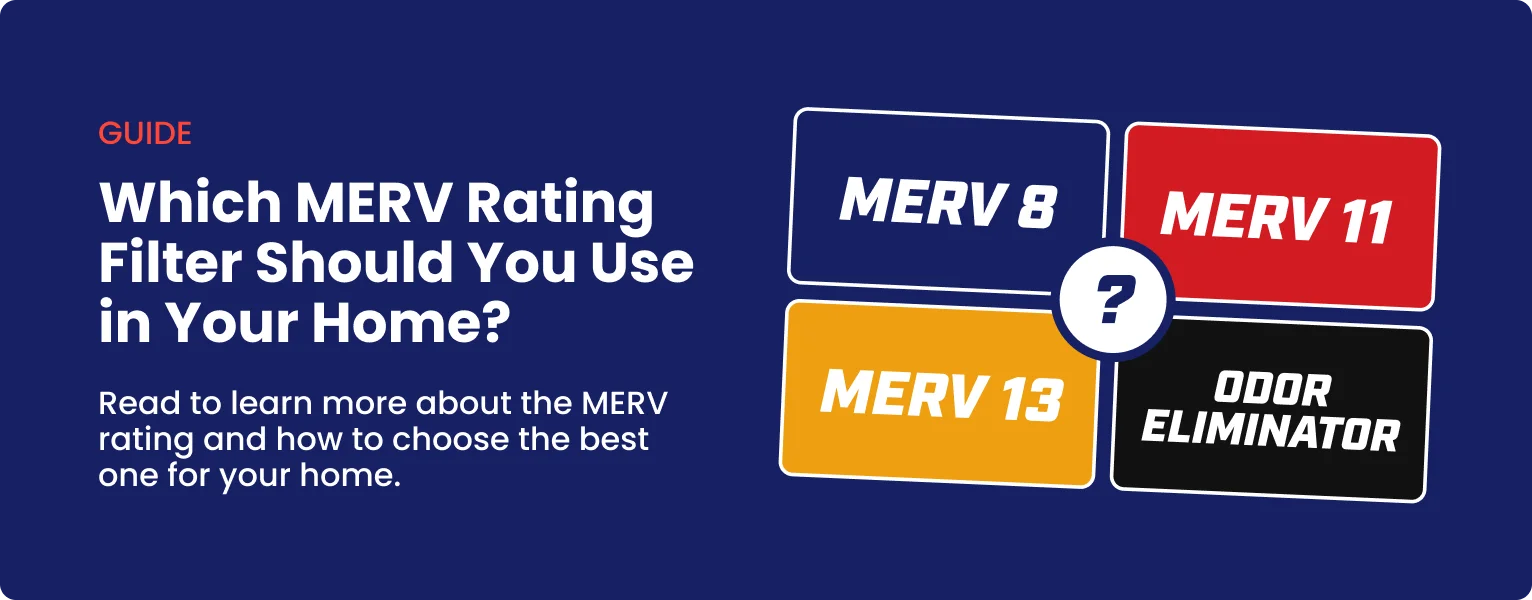
MERV (Minimum Efficiency Reporting Value) is a 1–16 score for how well a filter traps particles. Many washable filters are flat panel filters made from foam, metal mesh, or synthetic fibers, the type the EPA's 2018 technical guide lists at MERV 1 to 4, while it lists pleated filters at MERV 5 to 13 or higher. Our guide to which MERV rating to use explains the scale.
Pick the filter that fits your home:
- No allergies or pets, and you want less waste: a washable filter can work, as long as you clean it on schedule.
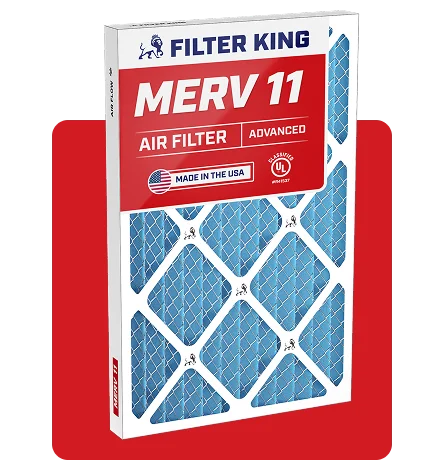
- Pets, kids, or moderate allergies: choose disposable MERV 11 air filters.
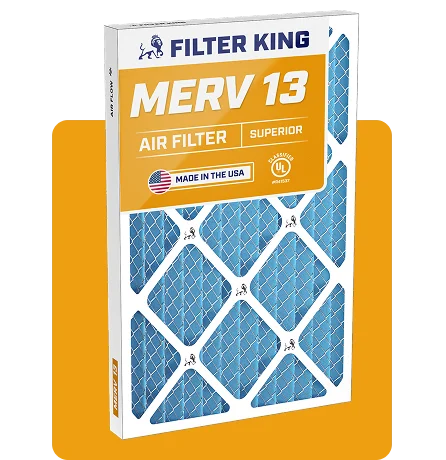
- Allergies, asthma, or wildfire smoke: choose disposable MERV 13 air filters, if your system can handle the airflow.
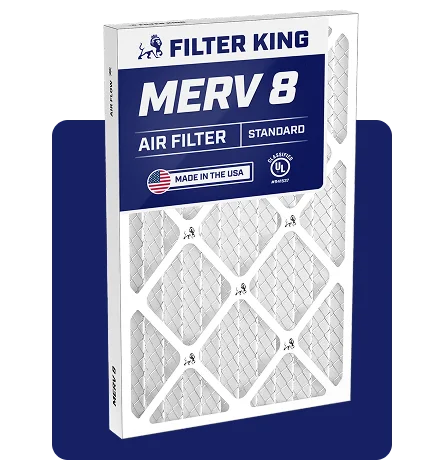
- Odors from pets or cooking: choose a disposable MERV 8 Carbon filter. MERV 8 Carbon doesn't replace MERV 13 for allergies.
- You'd rather not clean filters: choose a disposable pleated filter and replace it on a schedule.
For the difference between flat and pleated disposable filters, see our guide to fiberglass vs pleated air filters.
How often should you clean a washable air filter?
Clean a washable air filter every month or two, and check it monthly. The U.S. Department of Energy's Energy Saver guide, checked in 2026, says to clean or replace filters every month or two during the cooling season, and more often with pets, dust, or constant use.
Filter makers set their own intervals. K&N, for example, says its washable home air filters generally need cleaning every 60 to 90 days, depending on how many people and pets live in the home. Follow the instructions that came with your filter.
A washable filter also wears out over time. Replace it if the frame bends, the media tears, or it stays dirty after washing. If you'd rather not wash filters at all, our auto-delivery saves 5% and ships disposable filters on your schedule, and our guide to filter change timing covers how often to swap them.
How do you clean a reusable air filter?
Clean a reusable air filter by vacuuming off loose dust, rinsing it with low-pressure water, and letting it dry completely before you put it back. Check your filter's instructions first, since some makers require their own cleaner.
- Turn off your heating or cooling system at the thermostat.
- Slide the filter out, keeping the dirty side up so dust doesn't fall into your home.
- Vacuum loose dust and hair off the dirty side.
- Rinse the filter with low-pressure water, spraying from the clean side out.
- Use only plain water or the cleaner your filter's maker recommends.
- Shake off the extra water and stand the filter on its edge.
- Let the filter air dry completely.
- Reinstall the filter with the airflow arrow pointing toward the blower.
For step-by-step help with other filter types, see our air filter cleaning guide.
What happens if you don't clean a washable air filter?
A dirty washable filter restricts airflow, so your system works harder and your energy use goes up. The Department of Energy says a clean filter helps an air conditioner run efficiently and protects the system from dirt buildup that can cause it to fail early.
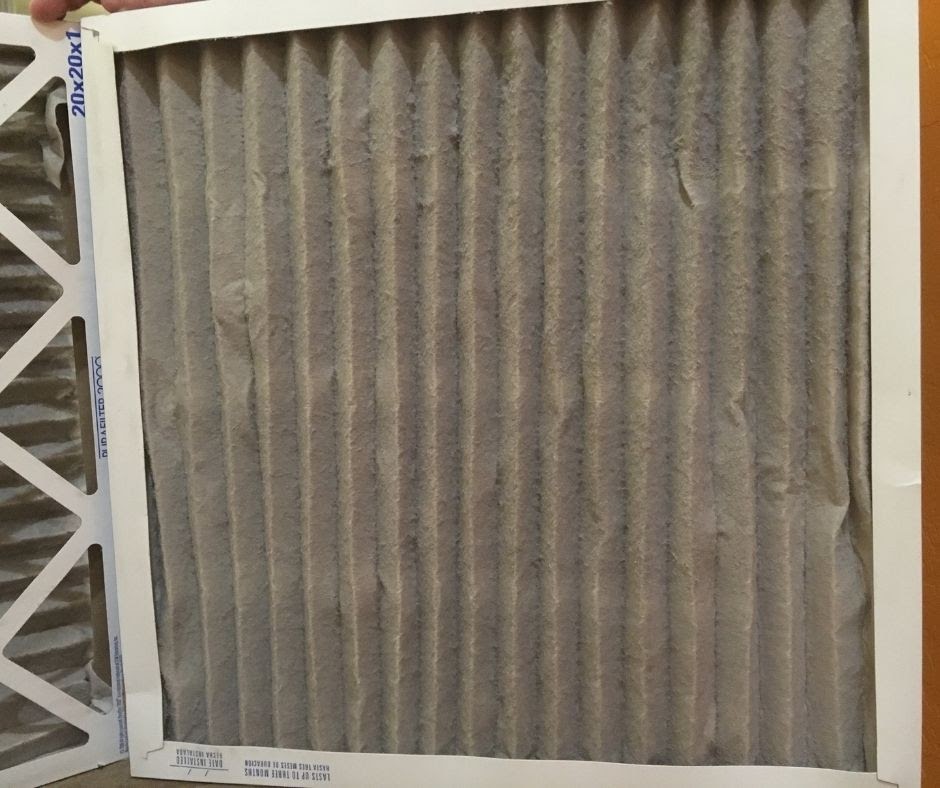
A clogged filter can also let dust slip around its edges and into the ducts. In a furnace, low airflow can make the system overheat and shut off, which leads to uneven temperatures in your home.
What are the pros and cons of reusable air filters?
Reusable air filters save on replacements and cut waste, but they take regular cleaning and usually catch fewer small particles.
Pros:
- One filter can last for years, so you buy fewer filters.
- Less waste going to the landfill.
- Low airflow resistance in most flat panel designs.
Cons:
- Most catch fewer small particles, such as fine dust, smoke, and much of the dander behind allergies.
- They need rinsing and full drying every month or two.
- They cost more up front than a single disposable filter.
- Electrostatic types lose some efficiency as they load with dust.
Disposable filters create more waste, but some can be recycled. Our guide on whether air filters are recyclable covers your options.
